, ,

What if plastics in the ocean were far more dangerous than we think?
What if plastics in the ocean were far more dangerous than we think?

Not just because they suffocate marine animals.

But because they carry an invisible, chemical… and toxic pollution.

This week, we spoke out against the #TooMuch campaign, which downplays the impact of plastic, particularly on health.

A complex issue, often oversimplified to suit certain interests — especially those of industry.

But science is shedding light on a reality that rhetoric cannot erase.

👉 PlastiDrugs is a research project led by Rafael Trevisan, which we have supported since 2023 thanks to the commitment of our patrons.

Conducted between Brest and Santos (Brazil), it shows that marine plastics are far from inert.

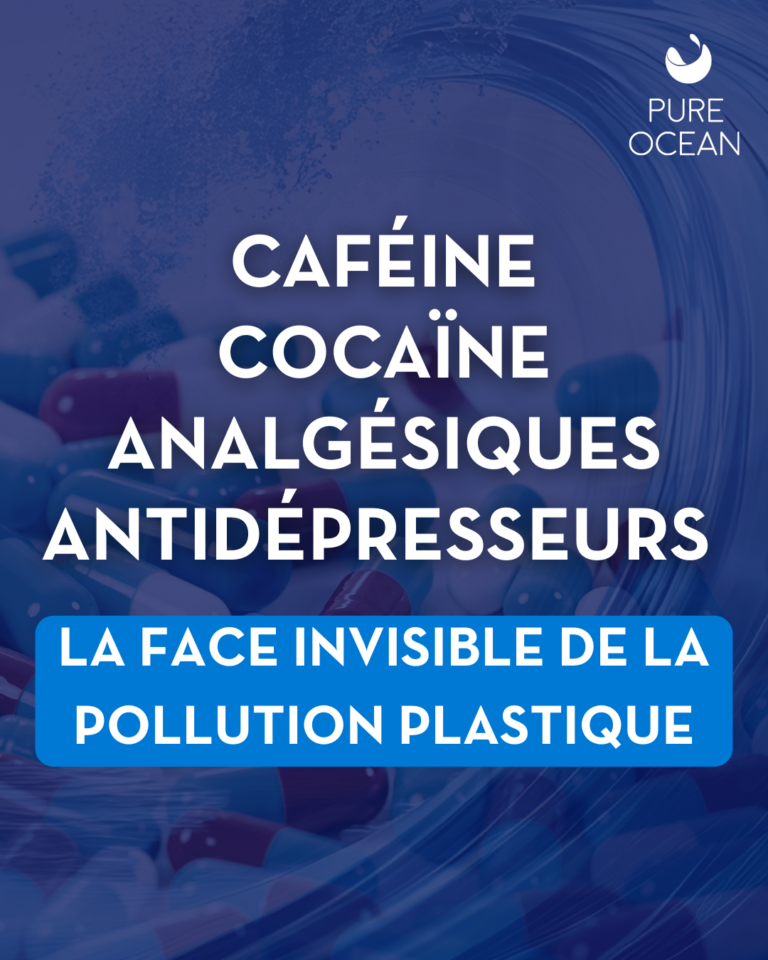
They act as real chemical sponges, capable of absorbing and concentrating residues of pharmaceuticals and drugs.

☠️ Antidepressants. Painkillers. Caffeine. Cocaine. 💊

On some plastics, pollutant concentrations are up to 100 times higher than in the surrounding water.

And when they enter living organisms, the effects are immediate: up to 90% mortality observed in sea urchin embryos.

This pioneering work has already been recognized by the scientific community with several research awards, an extension funded by the City of Santos, and more. The entire team is extremely proud to support Rafael’s work — BRAVO!

This remarkable research reveals what is often left unsaid:

plastic does not only pollute.

It contaminates.

At Pure Ocean, we fund the science that brings clarity to the grey areas of the debate.

Because science should guide the narrative — never the other way around.