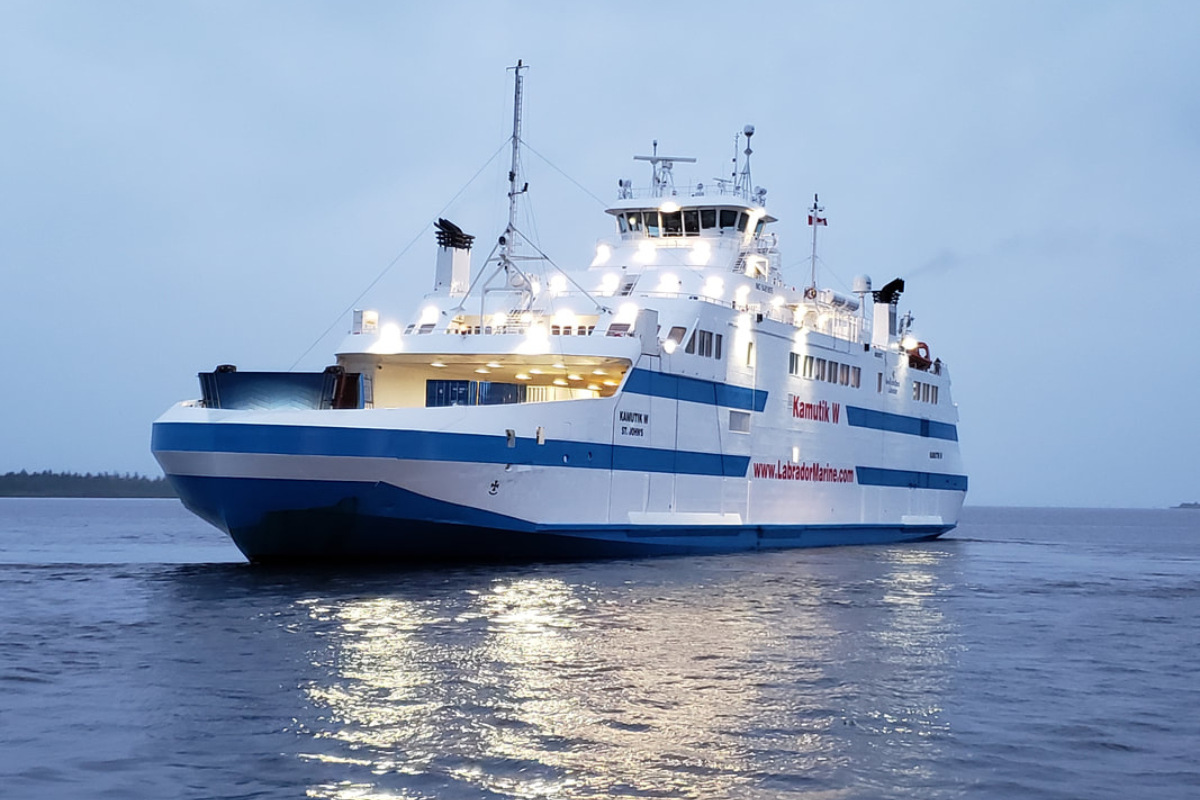
The Inuit scientific ferry, a sentinel of climate change.
The COM-N project
CONTEXT AND MAIN ISSUES
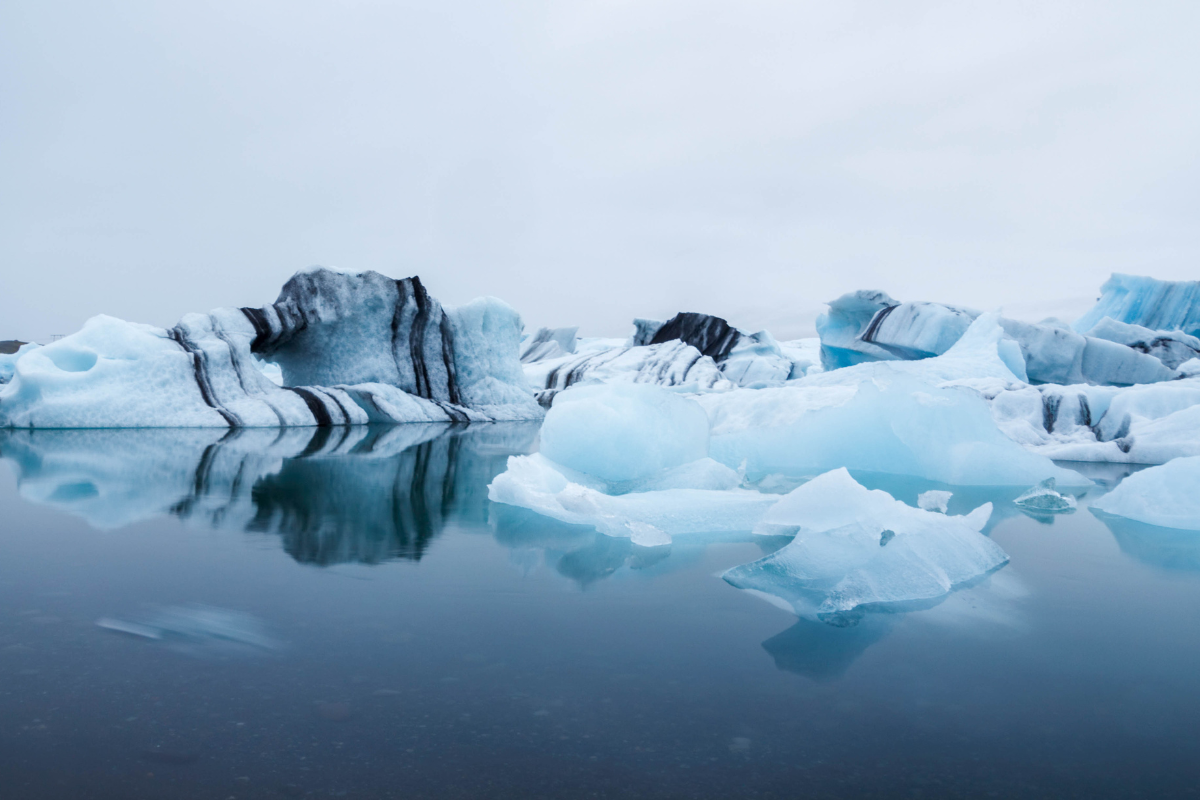
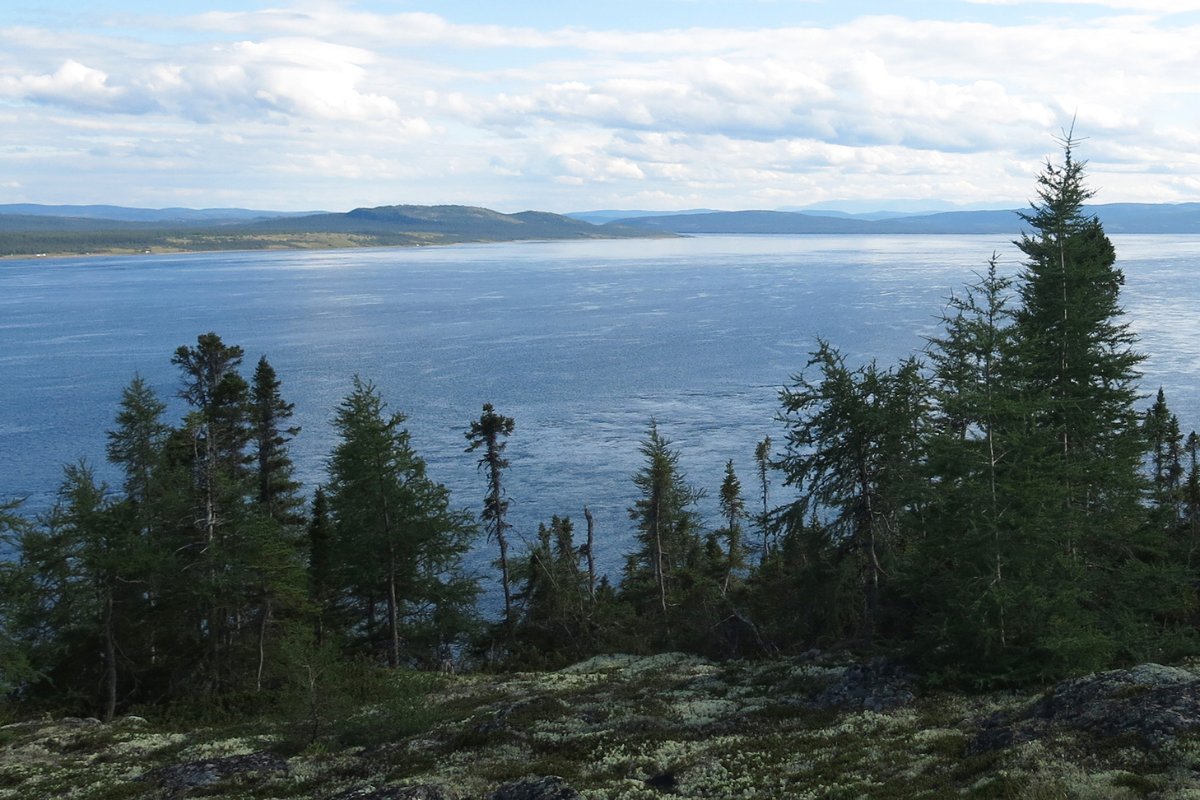
The region lies in a critical transition zone between the Atlantic and Arctic Oceans and is adjacent to deep convection areas in the Labrador Sea that are highly important for global climate dynamics.
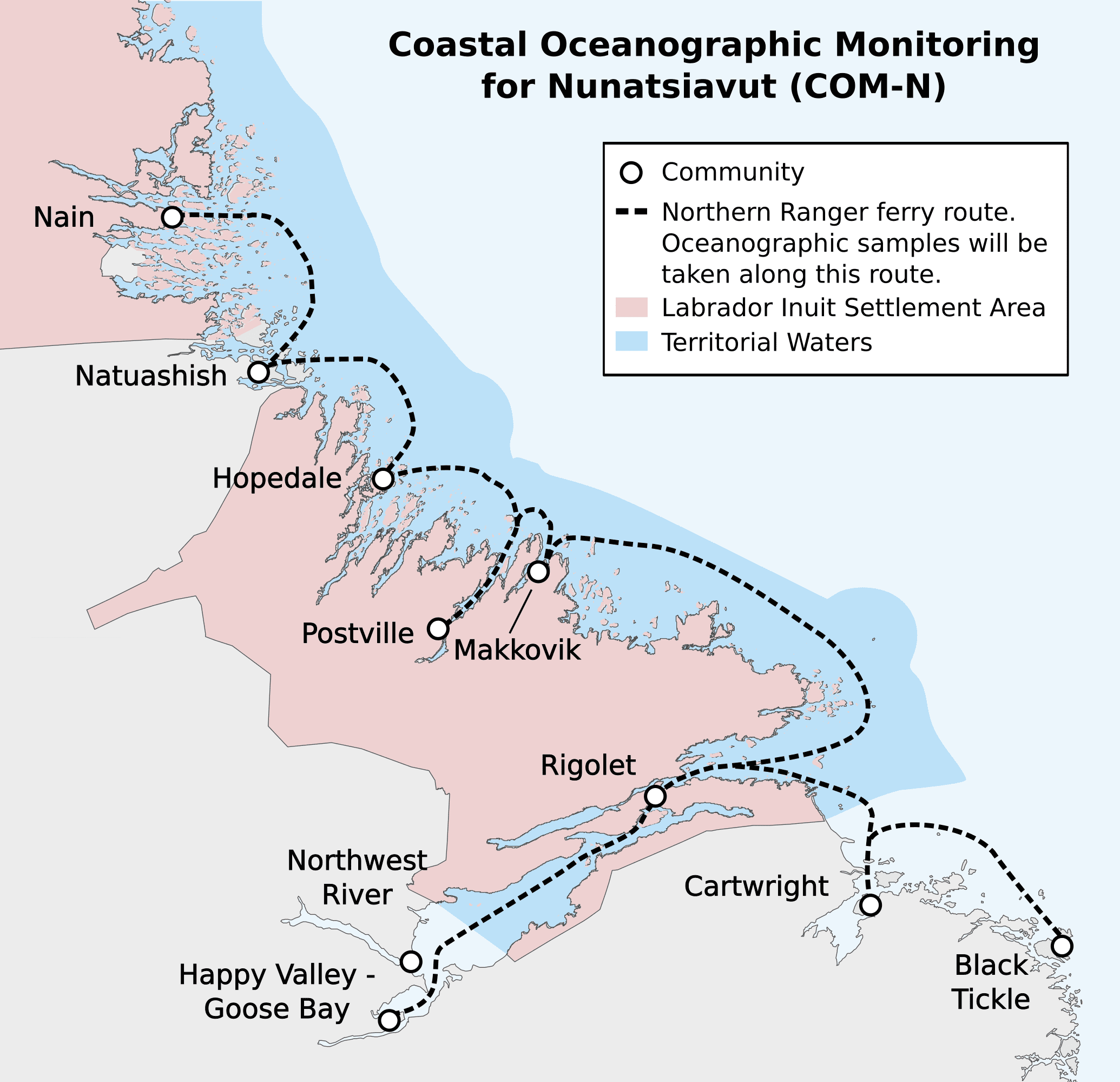
The region is also home to the southernmost Inuit communities in the world, in Nunatsiavut. A predictable marine environment is essential for food security and the preservation of Inuit culture.
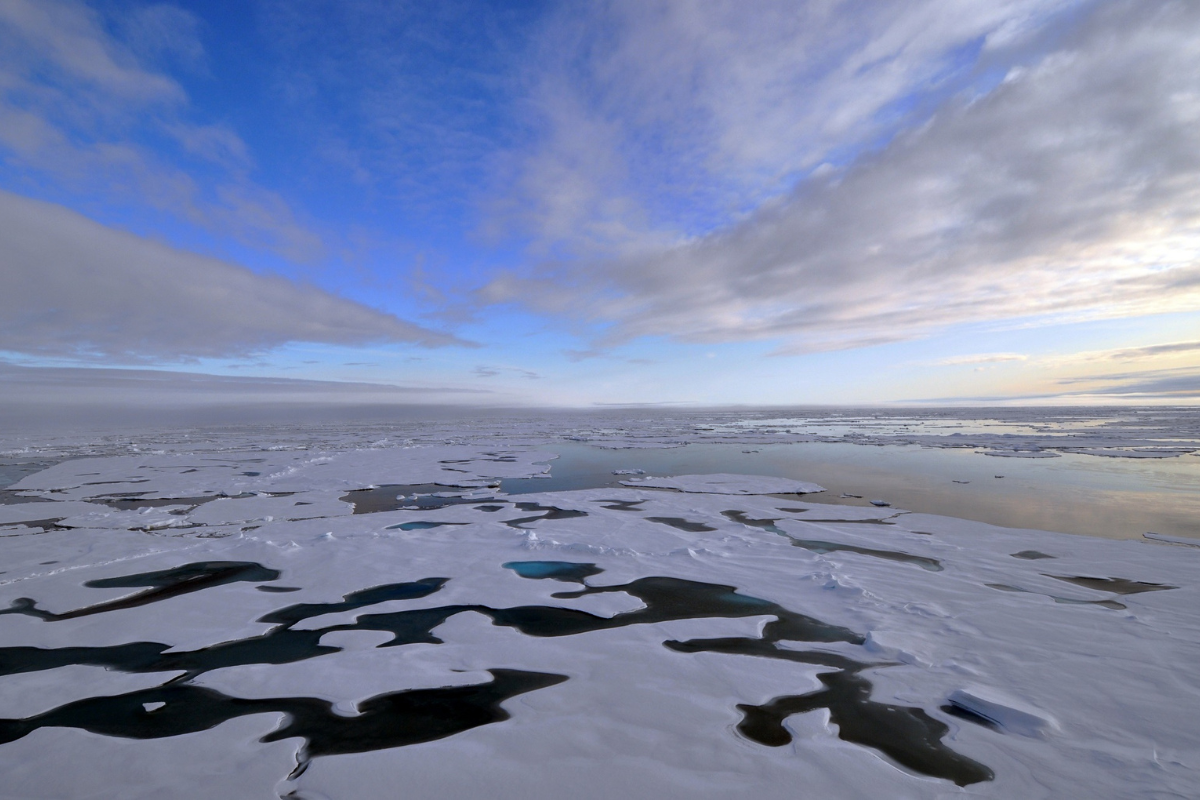
However, this region is undergoing significant climate-related changes, including a temperature increase of 2°C since 1993 and a 75% loss of sea ice since 1969.
GOALS
The program promises to shed light on our understanding of past and future marine climate change and will help inform local government plans for marine management and climate change adaptation.
METHOD
Eric Oliver, who leads this project, published a paper in Nature Communications (a leading scientific journal) in 2018 revealing alarming figures on marine heatwaves. It shows that, due to global warming, the frequency and duration of marine heatwaves increased by 34% and 17% respectively between 1925 and 2016.
Such findings, and the understanding of their impacts, come from long-term datasets as well as modeling conducted by research teams. This is why regular, high-quality (with a wide range of sensors beyond just water temperature) and long-term monitoring is of critical importance.
This is especially true in areas such as the Canadian Arctic, which acts as a carbon sink and is experiencing rapid acidification and warming.
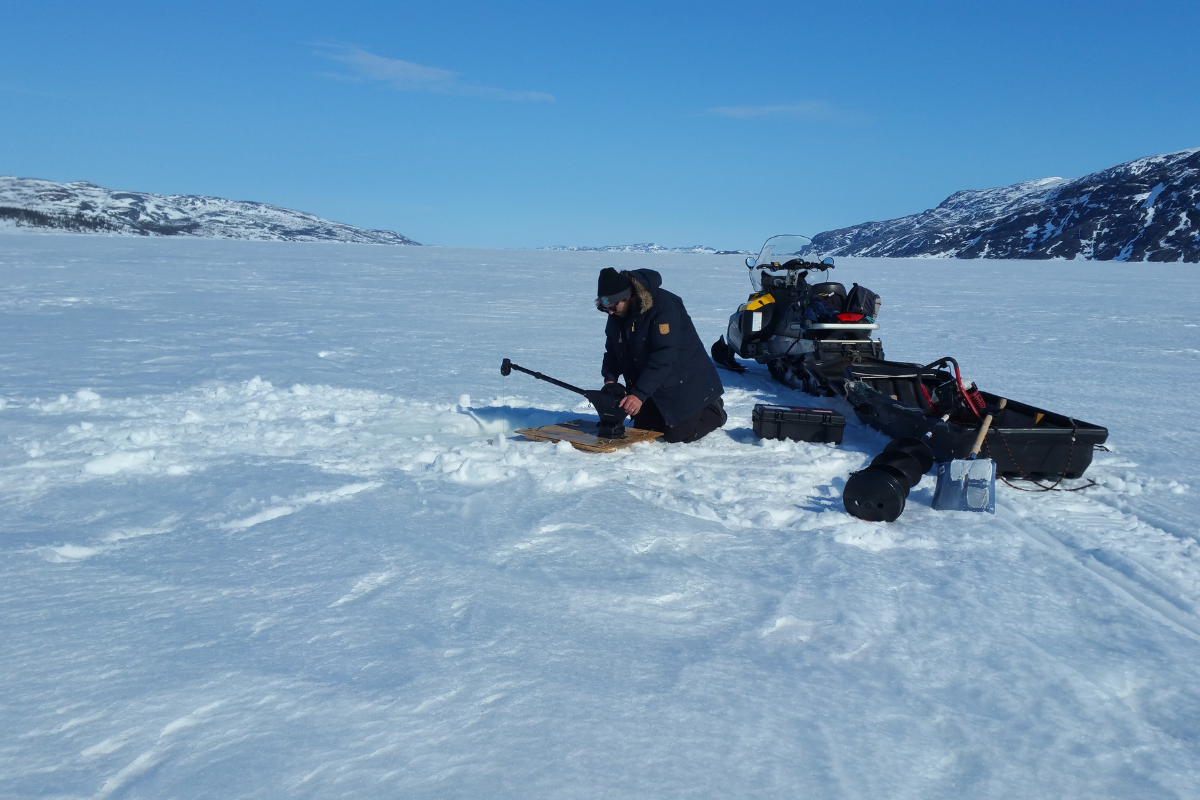
This project aims to install a series of sensors (temperature, chlorophyll, oxygen, salinity, CO₂, pH, and fluorescence) on the local ferry that serves several Inuit communities and travels across a range of key ecosystems: estuaries, fjords, the continental shelf, and open coastal waters.
Regular physical and chemical measurements of the ocean will make it possible to understand past changes and anticipate future ones. The data will be used by scientists and government authorities to develop a strategy for protecting the region and anticipating the impacts of climate change.
LOCATION
Graphic summary

NEWS
Project duration
2019-2021
SUSTAINABLE DEVELOPMENT GOALS
Results and advances
Coming soon
Step 1
Lorem ipsum dolor sit amet, consectetur adipiscing elit. Ut elit tellus, luctus nec ullamcorper mattis, pulvinar dapibus leo.
Lorem ipsum dolor sit amet, consectetur adipiscing elit. Ut elit tellus, luctus nec ullamcorper mattis, pulvinar dapibus leo.
étape 2
Lorem ipsum dolor sit amet, consectetur adipiscing elit. Ut elit tellus, luctus nec ullamcorper mattis, pulvinar dapibus leo.
Lorem ipsum dolor sit amet, consectetur adipiscing elit. Ut elit tellus, luctus nec ullamcorper mattis, pulvinar dapibus leo.
étape 3
Lorem ipsum dolor sit amet, consectetur adipiscing elit. Ut elit tellus, luctus nec ullamcorper mattis, pulvinar dapibus leo.
Lorem ipsum dolor sit amet, consectetur adipiscing elit. Ut elit tellus, luctus nec ullamcorper mattis, pulvinar dapibus leo.
The team
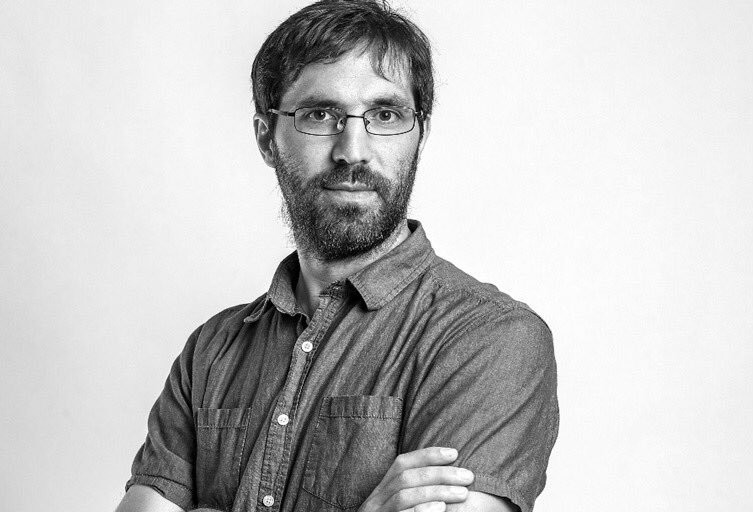
Eric Oliver
Dalhousie University
Partners
Nunatsiavut Government
Woodward Group of companies
Scientific partner
Dalhousie University
Institutional Partners
First name Last name
Université, structure, asso,...
First name Last name
Université, structure, asso,...
First name Last name
Université, structure, asso,...