Emerge
Tracking rays, skates and sharks in the Mediterranean to identify and protect their critical habitats
The Emerge project
CONTEXT AND MAIN ISSUES
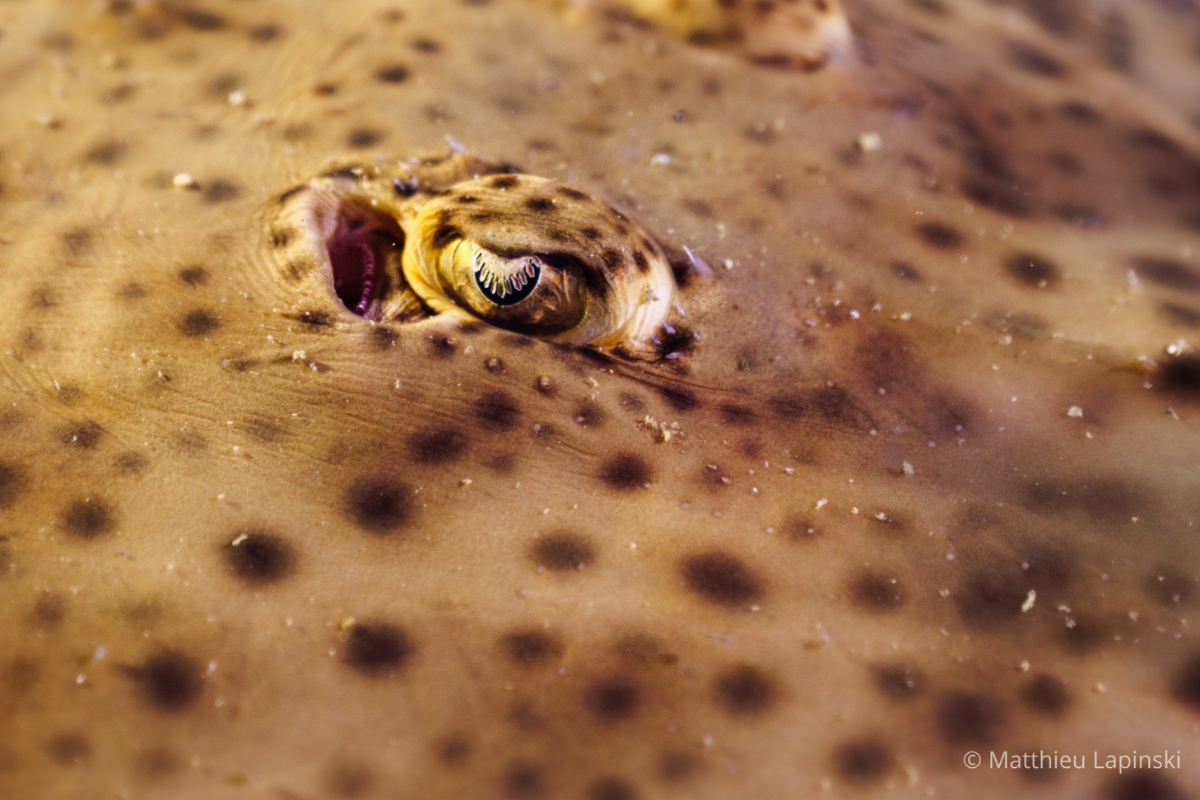
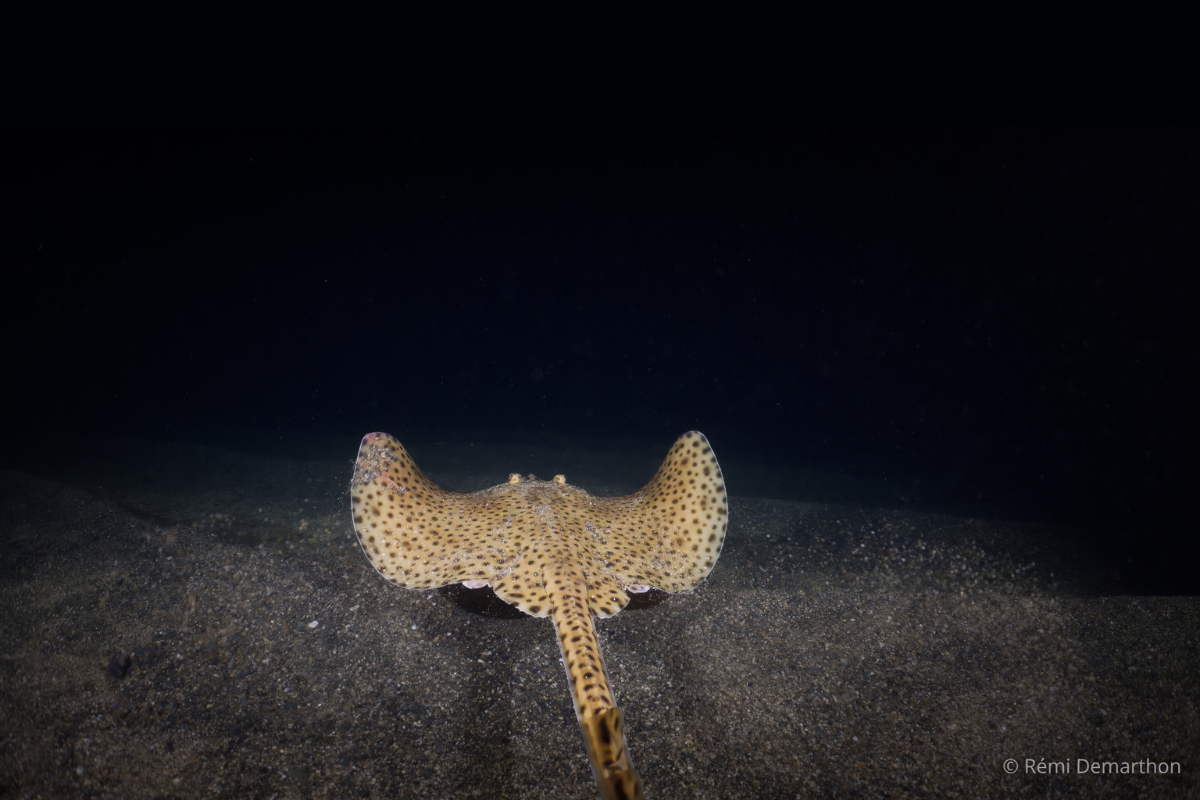
Elasmobranch species (rays, skates and sharks) are among the most impacted vertebrates. In the Mediterranean, more than one ray or shark species out of two is threatened with extinction, making this basin one of the most critical global hotspots for elasmobranchs. Over one third of these species are classified as threatened, while many others remain poorly studied or not yet assessed.
Elasmobranchs species play key ecological roles in maintaining the balance of marine ecosystems.
Sharks play a key role as top predators in marine ecosystems, contributing to the regulation of food webs and ecosystem balance. Some ray species also occupy important ecological positions within trophic networks and can influence seabed dynamics through their foraging activity. However, sharks and rays are increasingly threatened by multiple human pressures, primarily overfishing and bycatch, but also coastal habitat degradation, pollution and climate change. At the same time, these species remain poorly known to the general public, as scientific outreach and public engagement are still rarely integrated into research programs
A major obstacle to their protection lies in the lack of knowledge about their movements, breeding, feeding and nursery areas. Elusive, mobile and low in abundance, sharks and rays often escape conventional monitoring methods. In the absence of precise data, management and conservation measures remain partial and sometimes poorly adapted.
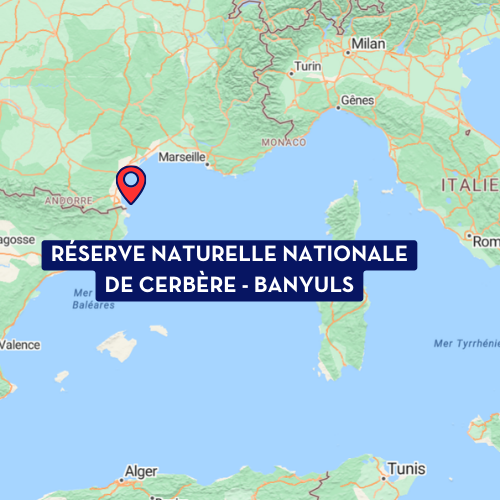
The Gulf of Lion and the Cerbère‑Banyuls Marine Reserve nonetheless provide a unique opportunity to address these gaps, thanks to an existing network of acoustic receivers and observations suggesting the seasonal presence of sensitive species.
GOALS
To identify the critical habitats of sharks and rays in the French Mediterranean using acoustic telemetry and environmental DNA (eDNA).
METHOD
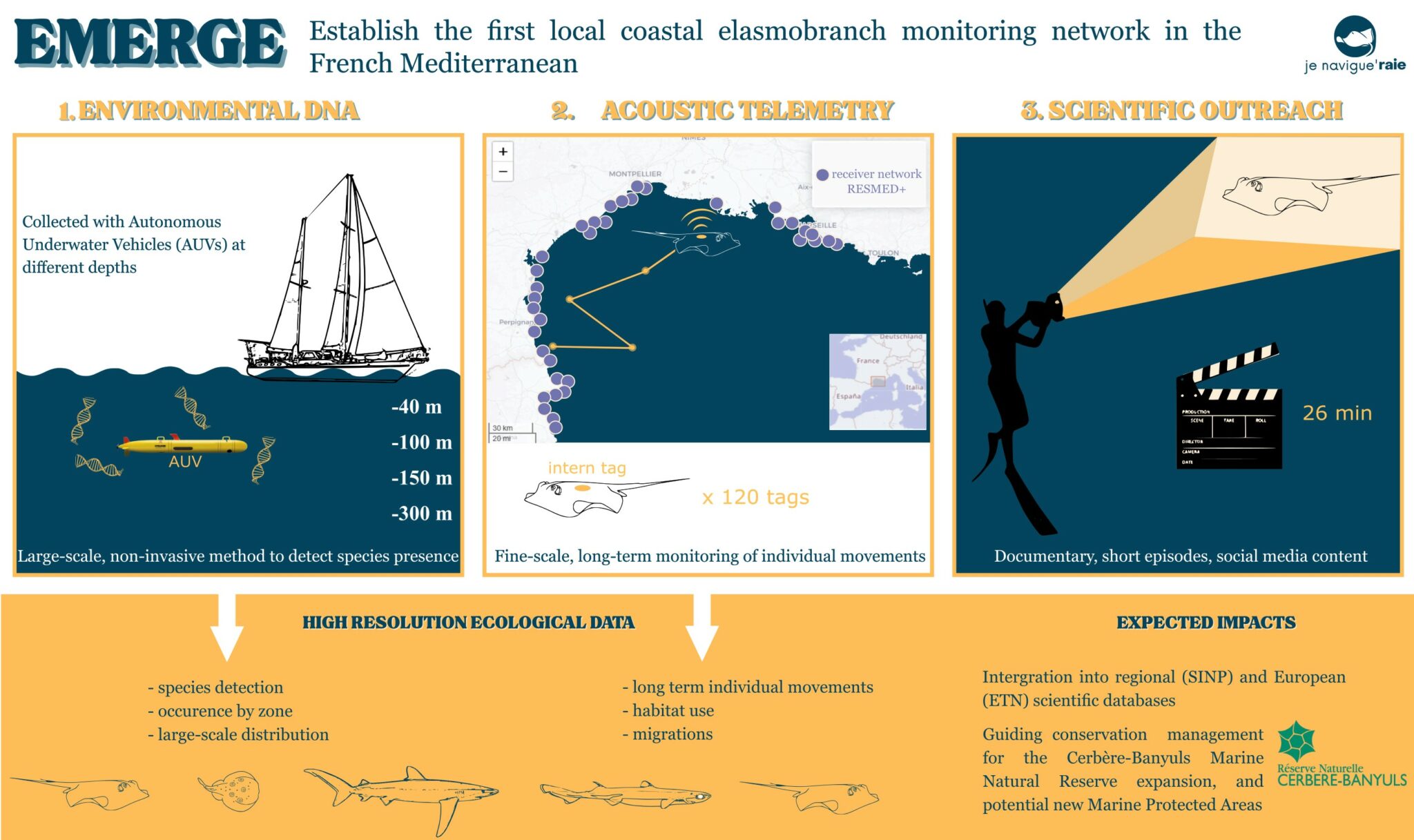
The EMERGE project combines two complementary and non-invasive approaches to study these hard‑to‑observe species.
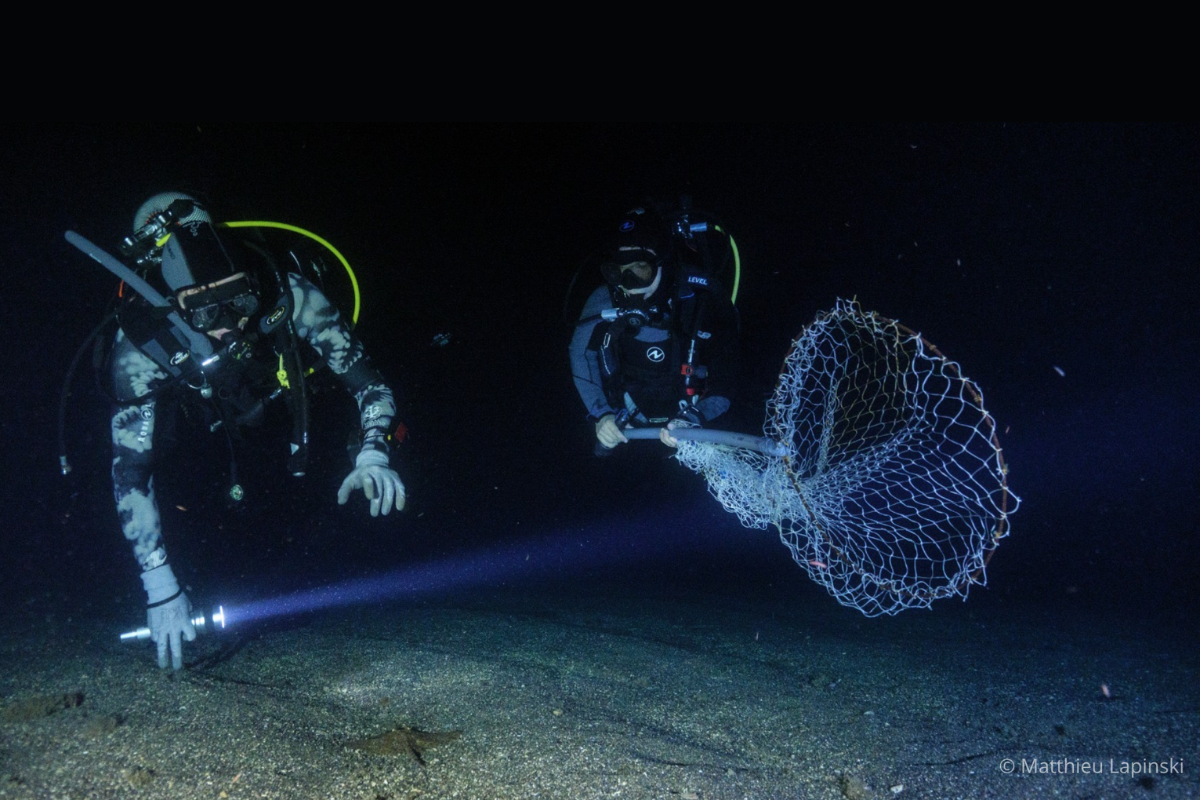
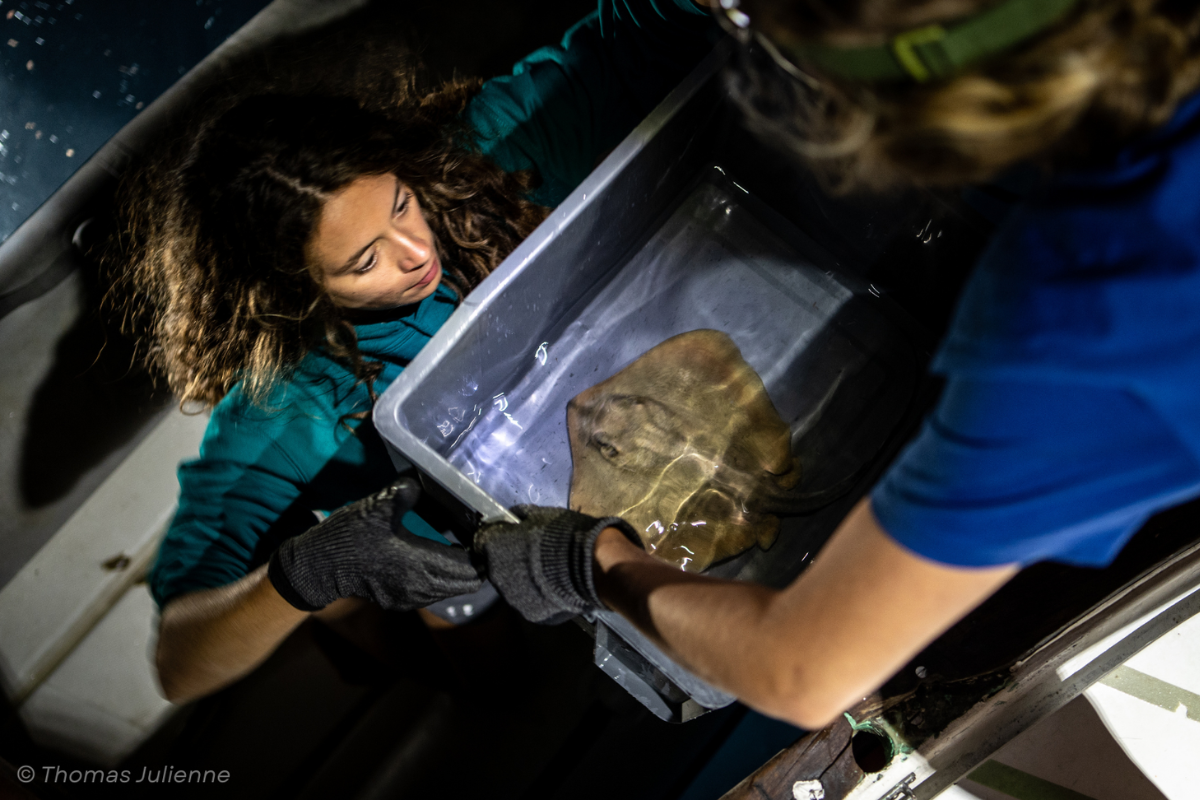
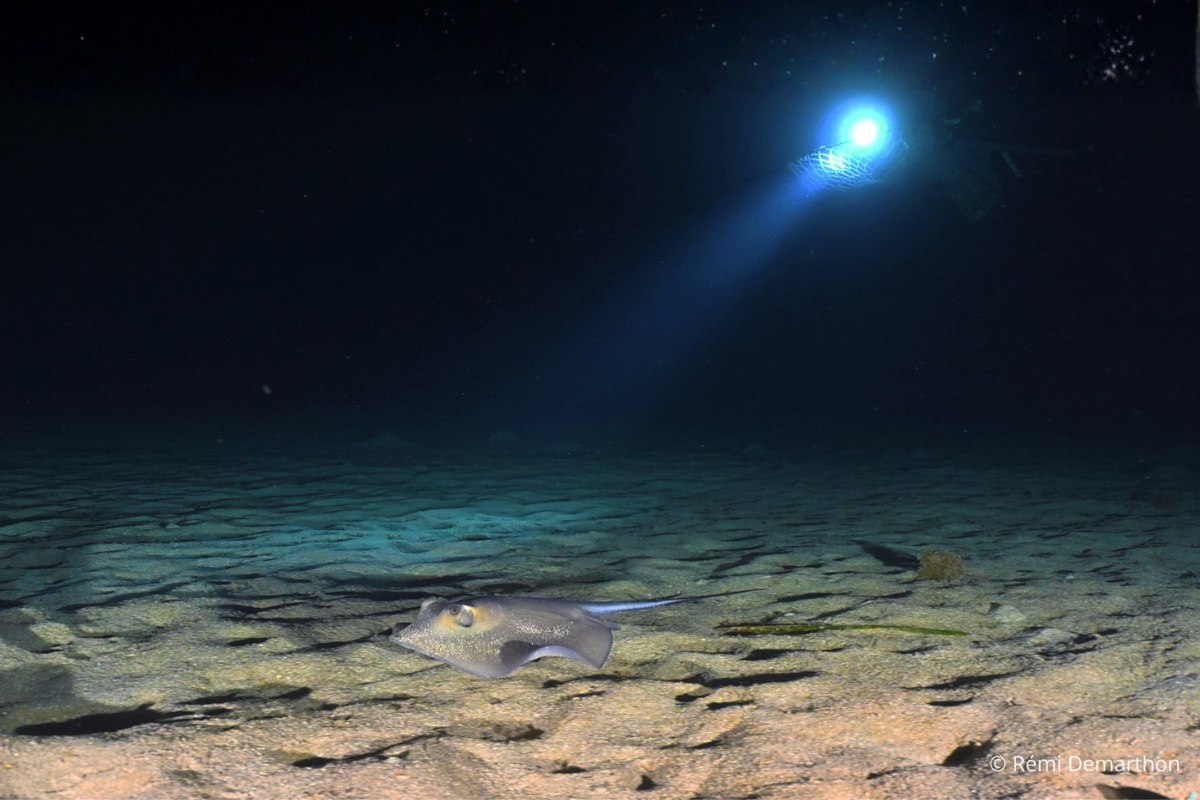
Acoustic telemetry consists of equipping an individual with a tag emitting signals detected by a large network of receivers deployed between Barcelona and Marseille (RESMED – CONNECTMED). This method provides fine‑scale data on individual movements, site fidelity and habitat use over time. Tagging rays requires temporarily capturing the animals, which is done using a new, ethical protocol for professional diving.
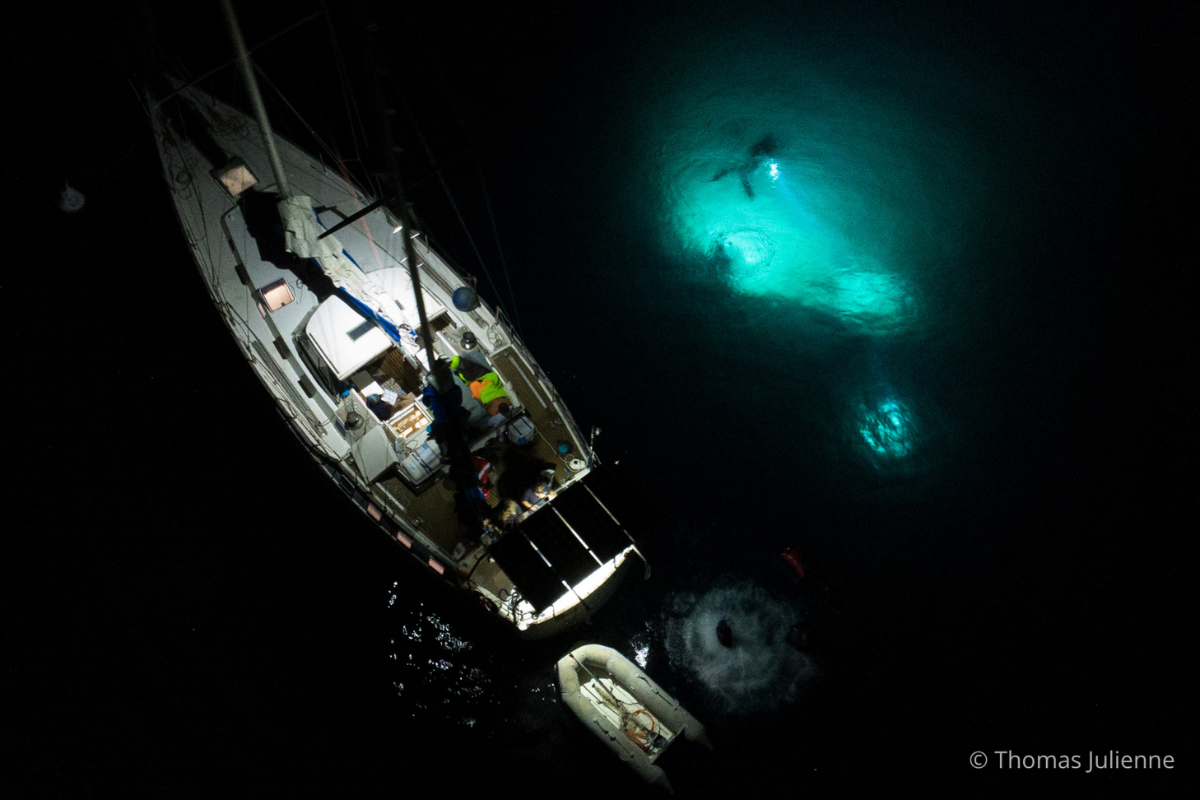
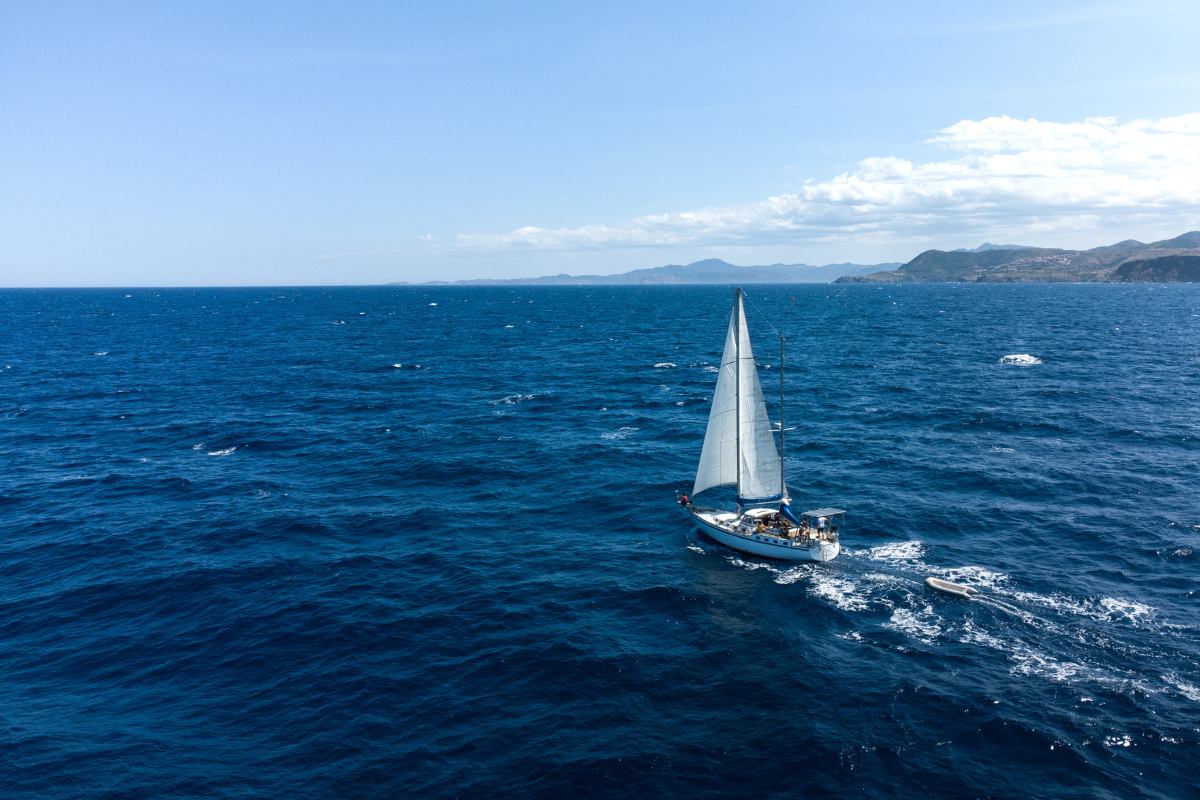
In parallel, a complementary technique is used to collect data on a larger scale : environmental DNA (eDNA). eDNA is an non-invasive method allowing species detection, by collecting genetic traces left by organisms in the water, without handling them. eDNA sampling is conducted from a sailing vessel, using underwater robots (AUVs) to filter the water in different areas, until 300m deep.
HOW IS THIS PROJECT INNOVATIVE?
EMERGE is the first project dedicated to the spatial ecology of rays and sharks along the French Mediterranean coast, focusing on species that remain largely understudied.
Innovation lies in the combined use of acoustic telemetry and environmental DNA, a complementary approach that substantially improves detection of rare species and understanding of their essential habitats. The use of autonomous vehicles for eDNA sampling further enhances exploration capacity, allowing eDNA sampling until 300m deep, particularly in a submarine Canyon.
The project also places a strong emphasis on science mediation and communication, and includes diverse tools designed to reach a wide audience.
The project is also embedded in a collective and territorial dynamic, marine protected area managers, local fishers and citizen‑science programmes.
By producing robust, directly usable scientific data, EMERGE lays the foundations for the first local monitoring network for rays and sharks, essential for implementing targeted conservation measures and strengthening protection of these emblematic Mediterranean species.
LOCATION
NEWS
Project duration
2026 – 2029
SUSTAINABLE DEVELOPMENT GOALS
Results and advances
Coming soon
Step 1
Lorem ipsum dolor sit amet, consectetur adipiscing elit. Ut elit tellus, luctus nec ullamcorper mattis, pulvinar dapibus leo.
Lorem ipsum dolor sit amet, consectetur adipiscing elit. Ut elit tellus, luctus nec ullamcorper mattis, pulvinar dapibus leo.
étape 2
Lorem ipsum dolor sit amet, consectetur adipiscing elit. Ut elit tellus, luctus nec ullamcorper mattis, pulvinar dapibus leo.
Lorem ipsum dolor sit amet, consectetur adipiscing elit. Ut elit tellus, luctus nec ullamcorper mattis, pulvinar dapibus leo.
étape 3
Lorem ipsum dolor sit amet, consectetur adipiscing elit. Ut elit tellus, luctus nec ullamcorper mattis, pulvinar dapibus leo.
Lorem ipsum dolor sit amet, consectetur adipiscing elit. Ut elit tellus, luctus nec ullamcorper mattis, pulvinar dapibus leo.
The team
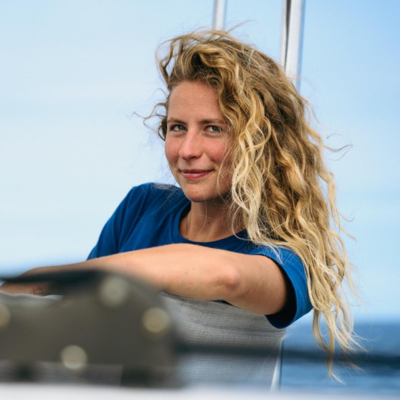
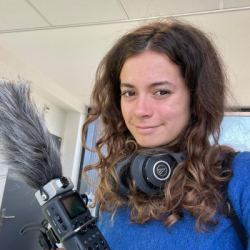
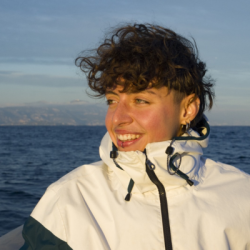
Célia Bertrand
PhD and co-funder of Je navigue'RAIE
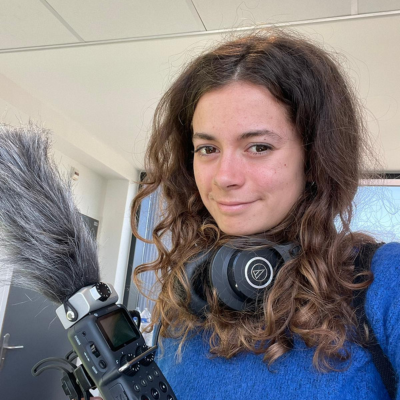
Julia Morath
Scientific Mediator & Co-founder of Je navigue'RAIE Association
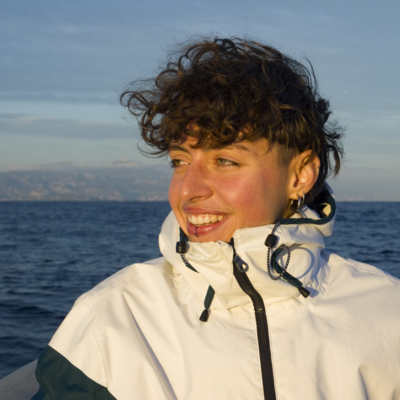
Milla Lesut
Oceanographer and Professional Scientific Diver
Partners
Rémi Demarthon
Documentary Filmmaker & Co-founder of The Argonauts Collective
Person
Title, organism
Institutional Partners
First name Last name
Université, structure, asso,...
First name Last name
Université, structure, asso,...
First name Last name
Université, structure, asso,...