, ,

Fresh updates from the Antarctic Biolum project!

Fresh updates from the Antarctic Biolum project!

And when we say fresh, that’s no understatement… They come straight from Antarctica, where the leaders of the Antarctic Biolum – ESCA project are beginning their second expedition.

Thomas and Kat are currently located at the southernmost point ever reached by a vessel.

A “record” that is anything but good news:

it was made possible by the alarming retreat of the ice pack.

“We shouldn’t be able to be here,” Thom recalls, standing in front of the ice barrier of the Ross Sea.

This reality is deeply concerning, and that is precisely why this mission is essential: to document, understand, and bear witness to the transformations underway.

Thanks to your support, the team will collect unprecedented data on the Antarctic abyss, home to mysterious organisms such as the colossal squid.

The project relies on a unique innovation: ESCA, for Electronic Signalling Cephalopod Attractor — a nod to deep‑sea anglerfish and their small bioluminescent lure known as the esca.

Inspired by living systems, this device attracts species using controlled light signals, filmed in 360° by high‑resolution cameras.

A non‑invasive technology to shed (literally) light on the most mysterious depths of our planet!

Thank you and congratulations to the scientific teams for these powerful images and essential missions.

We can’t wait to share the next stages of this decisive expedition with you!

, ,

The ocean has also brought out its Christmas lights

The ocean, too, has brought out the Christmas lights. ✨

But here, no garlands: these animals produce their own light.

This ability is called bioluminescence.

🔦 A fascinating language used in the depths to communicate, protect themselves… or navigate in total darkness.

Did you think the deep sea was gloomy and dark?

Not at all. It’s a place of true fireworks. 🦑🎆

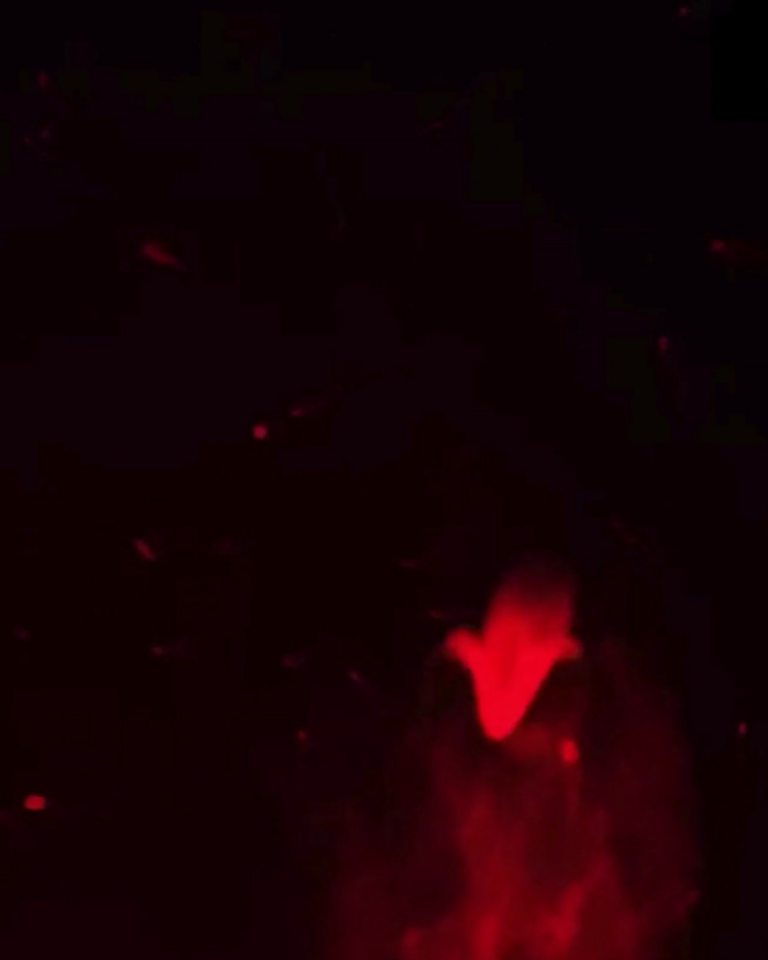
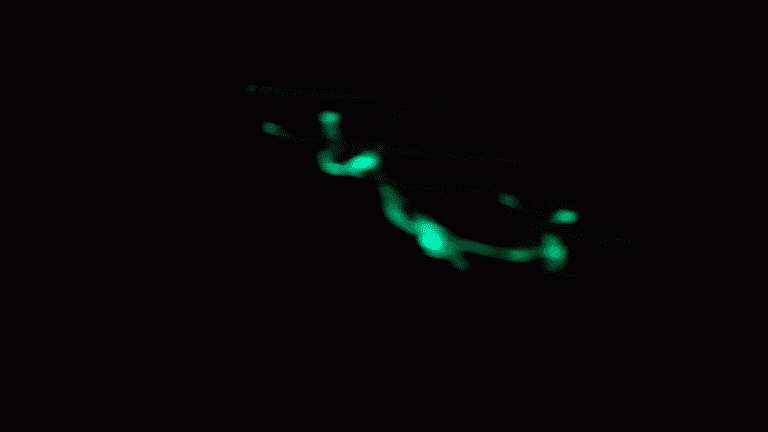
➡️ Like in this video, where Kat Bolstad and Tom Linley were lucky enough to observe a squid responding to bioluminescent signals, emitted to study it in a non-invasive way.

Thanks to your invaluable support, these two scientists are exploring the Antarctic abyss to reveal still-unknown species, using an innovative technique that allows them to observe without hunting or capturing.

✨ Your support helps research illuminate the most secret corners of the deep sea.

Thank you to everyone who makes this exploration possible.

, ,

What happens when you shine a light into the deep ocean?

What happens when you shine a light into the deep ocean?

Right now, the Antarctic Biolum project team is exploring the unknown and discovering new species… thanks to you!

🧊 But how do they do it? Several hundred metres below the surface, it’s cold, dark, the pressure is extreme… For certain areas such as Antarctica, there are also many difficulties such as travelling and deploying equipment through the ice amidst icebergs. These hostile conditions make these areas inaccessible and explain why so many species are still unknown.

✨ However, interacting with this marine life without disturbing it represents a major challenge, not least because of the lack of knowledge about the life habits of these organisms. Researchers on the Antarctic Biolum project are therefore turning to an innovative means of communication that is particularly essential in the depths: bioluminescence.

Since January, Dr Thomas Linley has been on board the Schmidt expedition in Antarctica, meeting these mysterious creatures…

🔬 A unique exploration that lifts the veil on a still unexplored world!

,

Discover our 2024 projects ➡️ Antarctic Biolum

Discover our 2024 projects ➡️ Antarctic Biolum

Imagine, at a depth of 3,000 meters, in total darkness, hidden marine species never before discovered… After all, we only know 10% of all marine species!

This is alarming, because without knowledge, it’s difficult to protect them effectively. Yet these ecosystems are threatened by global warming and seabed mining.

❓ Why is this so crucial? Each species plays an essential role in the delicate balance of our ecosystems. Like perfectly adjusted gears, if one of them were to disappear, it would cause a catastrophic domino effect, disrupting the entire ecosystem. By protecting marine biodiversity, we preserve the ecosystem services it provides, such as climate regulation, oxygen production and so on.

🔍 How can we discover and protect new, hitherto unknown species? Did you know that 76% of deep-sea species are bioluminescent, using this ability to attract mates, hunt or defend themselves? That’s where the Antarctic Biolum project comes in!

✨ This revolutionary project will use bioluminescence to attract species in a non-intrusive way, paving the way for exciting new discoveries!

📽️ Watch a video of the people behind this incredible project!