



Bioplastics from the Deep
Drawing inspiration from squid to create biodegradable plastics and reduce dependence on fossil fuels
The Bioplastics from the Deep project
CONTEXT AND MAIN ISSUES
Every 4 seconds, one tonne of plastic waste is released into the ocean because of human activities, transported worldwide by rivers and estuaries. Once at sea, plastics accumulate and gradually fragment into microplastics, which are now found throughout marine ecosystems and ocean food webs.
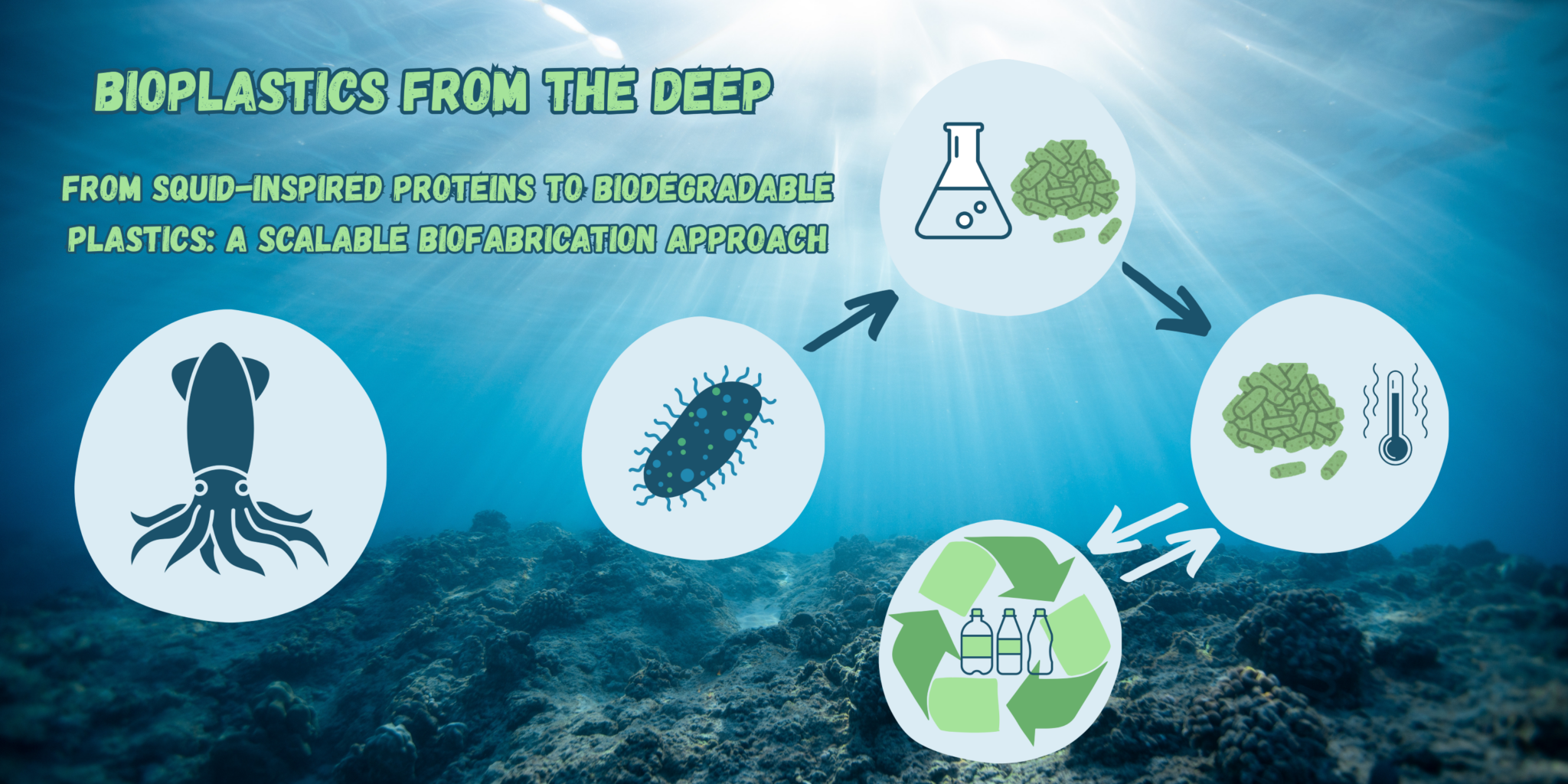
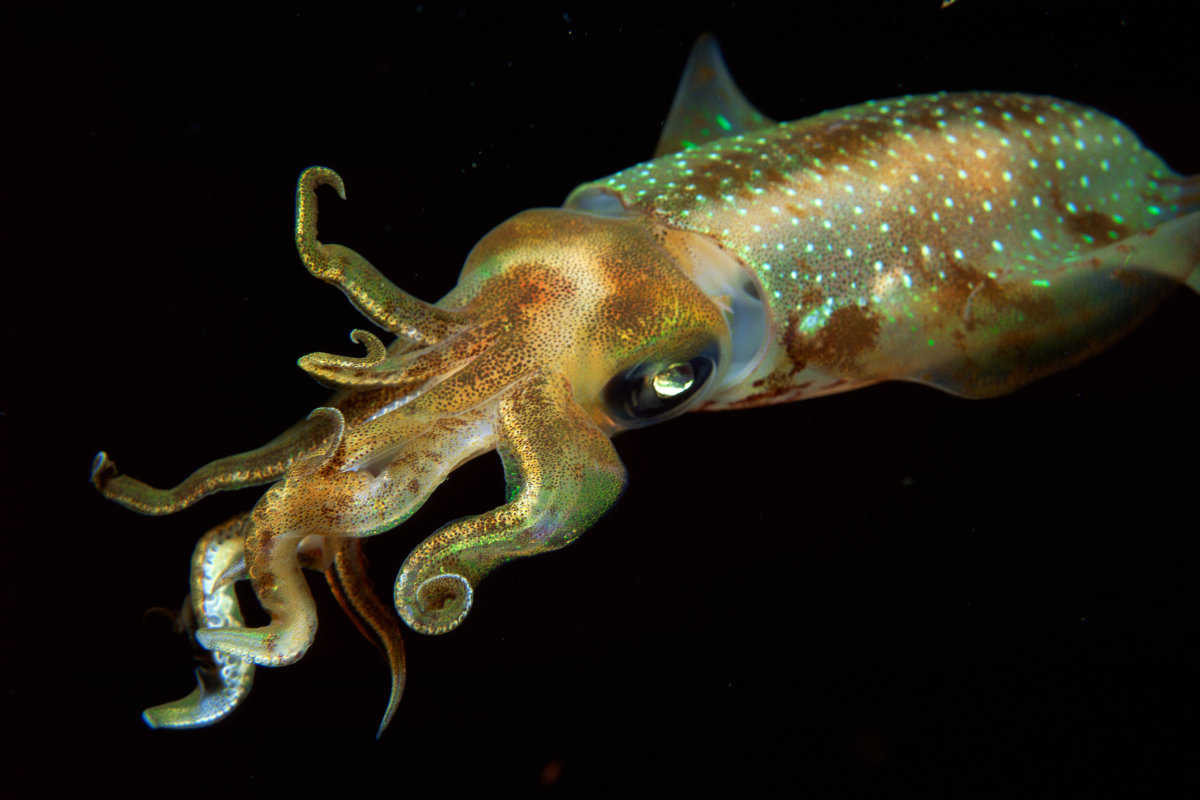
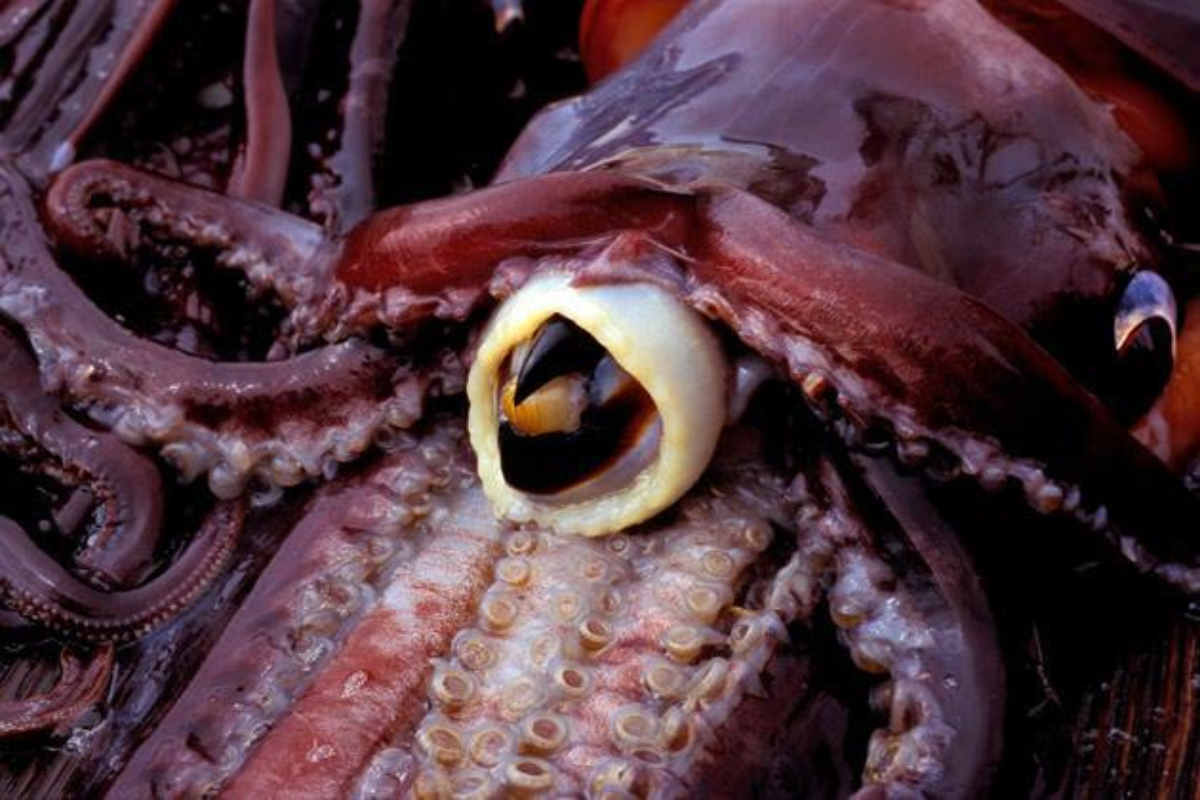
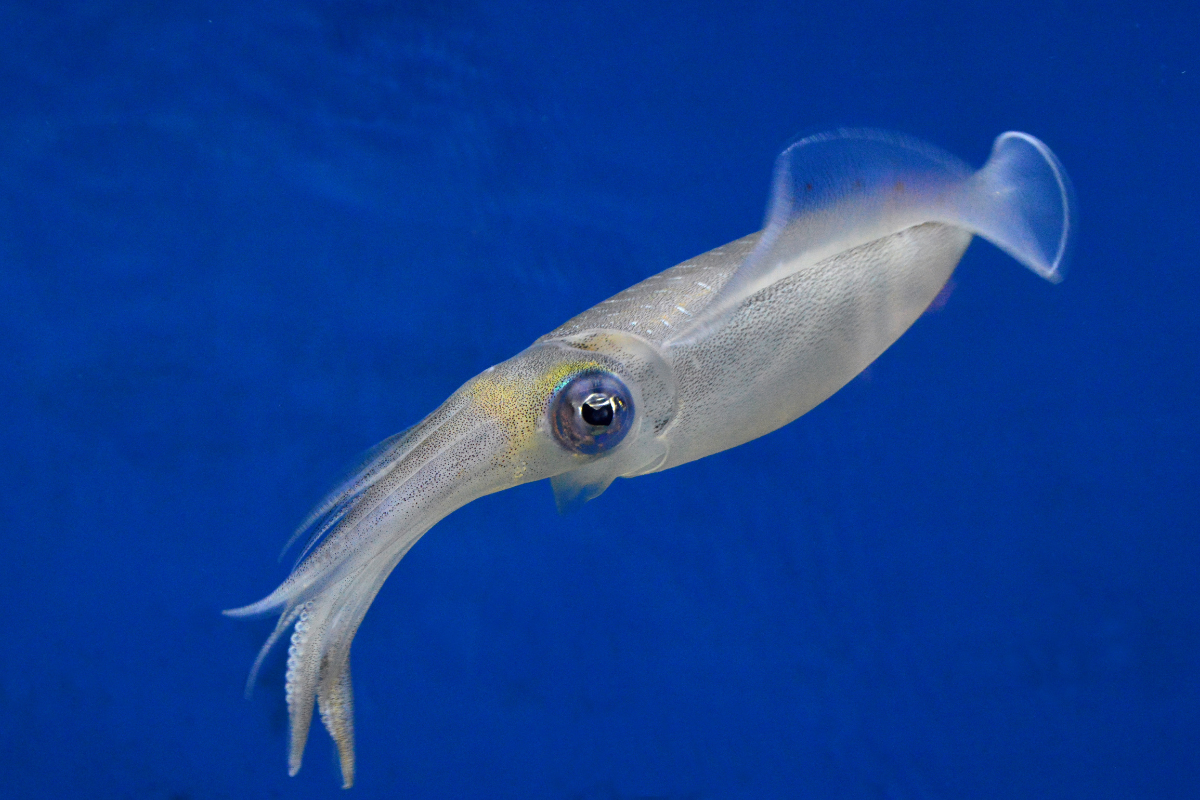
In the field of biomaterials, bio‑inspiration offers particularly promising pathways. The European squid (Loligo vulgaris) possesses a circular jaw with remarkable mechanical properties, flexible, elastic and highly resistant, thanks to a specific protein: SRT18. This protein behaves like a natural thermoplastic polymer, which can be processed using heat.
In the field of biomaterials, bio‑inspiration offers particularly promising pathways. The European squid (Loligo vulgaris) possesses a circular jaw with remarkable mechanical properties, flexible, elastic and highly resistant, thanks to a specific protein: SRT18. This protein behaves like a natural thermoplastic polymer, which can be processed using heat.
However, direct exploitation of these animal structures is neither sustainable nor compatible with large‑scale production. Likewise, polymer reconstruction through chemical synthesis remains limited by its cost and environmental impact.
GOALS
To develop a high‑yield biotechnological process for producing a bioplastic inspired by the circular jaw of squid.
METHOD
The project relies on the biotechnological production of the SRT18 protein using laboratory‑cultivated bacteria. Culture conditions will be optimised to maximise protein.
The resulting material will be shaped through heating and moulding to evaluate its mechanical and thermal properties.
Finally, biodegradation tests will assess whether this bioplastic efficiently breaks down at the end of its life cycle without generating persistent pollution.
HOW IS THIS PROJECT INNOVATIVE?
This project proposes a novel bio‑inspired approach, based on a marine material with exceptional properties, while avoiding direct exploitation of living organisms, a strategy with strong potential to significantly reduce costs, material losses and environmental footprint.
By exploring for the first time the thermoplastic and biodegradable potential of the SRT18 protein, the project opens the way to new alternatives to fossil‑based plastics, compatible with protecting the ocean and human health.
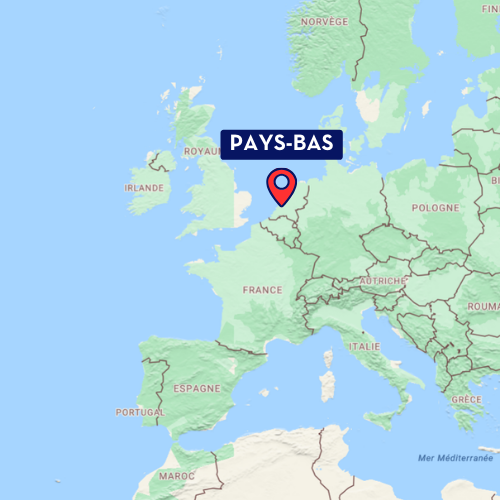
LOCATION
NEWS
Project duration
2026 – 2028
SUSTAINABLE DEVELOPMENT GOALS

Results and advances
Coming soon
Step 1
Lorem ipsum dolor sit amet, consectetur adipiscing elit. Ut elit tellus, luctus nec ullamcorper mattis, pulvinar dapibus leo.
Lorem ipsum dolor sit amet, consectetur adipiscing elit. Ut elit tellus, luctus nec ullamcorper mattis, pulvinar dapibus leo.
étape 2
Lorem ipsum dolor sit amet, consectetur adipiscing elit. Ut elit tellus, luctus nec ullamcorper mattis, pulvinar dapibus leo.
Lorem ipsum dolor sit amet, consectetur adipiscing elit. Ut elit tellus, luctus nec ullamcorper mattis, pulvinar dapibus leo.
étape 3
Lorem ipsum dolor sit amet, consectetur adipiscing elit. Ut elit tellus, luctus nec ullamcorper mattis, pulvinar dapibus leo.
Lorem ipsum dolor sit amet, consectetur adipiscing elit. Ut elit tellus, luctus nec ullamcorper mattis, pulvinar dapibus leo.
The team
Julia Jansing
Assistant professor at Maastricht University
Irma van Rijswijck
Scientist/Teacher at Zuyd University of Applied Sciences
Partners
Person
Title, organism
Institutional Partners
First name Last name
Université, structure, asso,...
First name Last name
Université, structure, asso,...
First name Last name
Université, structure, asso,...