,

Focus on the latest expert to join our Scientific Committee!

Ten days before the announcement of the 2026 laureate projects… focus on the latest expert to join our Scientific Committee!

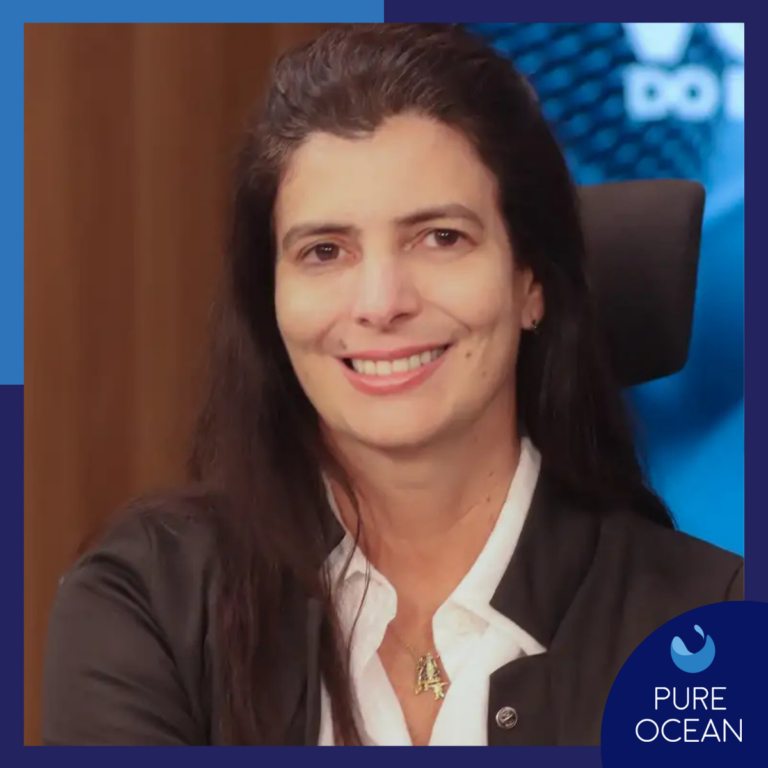
➡️ Flavia Lucena Fredoux 🌟

Having joined in 2025, she is supporting her second Pure Ocean call for projects this year. And her expert perspective is invaluable!

With nearly 30 years of experience in fisheries assessment and management — within the Brazilian government, Regional Fisheries Management Organizations, IRD, and as a university professor — Flávia brings unique expertise in fisheries dynamics, resource sustainability, and the protection of marine ecosystems.

She has served as:

🌍 an expert for the United Nations, contributing to the World Ocean Assessment (2018, 2024),

🐟 a member of the IUCN Species Survival Commission,

🇧🇷 National Secretary at Brazil’s Ministry of Fisheries and Aquaculture (2023–2024),

🔬 a university professor and research director, with more than 140 publications and over 100 students supervised.

Today, she is co‑coordinator of the International Joint Laboratory (LMI) TAPIOCA, an international laboratory dedicated to understanding the ecological, biogeochemical, and human dynamics of the tropical Atlantic.

🎣 Her in‑depth knowledge of fisheries and sustainable management of living resources is essential. Overexploitation is the leading cause of biodiversity collapse: better understanding these dynamics means better protecting the ocean.

🔬 Since our creation, our ambition has been clear: to bring together an independent, international Scientific Committee of experts responsible for defining the focus of our calls for projects and selecting the initiatives to support. Thank you to the experts who have been supporting us for so many years.

, ,

Fresh updates from the Antarctic Biolum project!

Fresh updates from the Antarctic Biolum project!

And when we say fresh, that’s no understatement… They come straight from Antarctica, where the leaders of the Antarctic Biolum – ESCA project are beginning their second expedition.

Thomas and Kat are currently located at the southernmost point ever reached by a vessel.

A “record” that is anything but good news:

it was made possible by the alarming retreat of the ice pack.

“We shouldn’t be able to be here,” Thom recalls, standing in front of the ice barrier of the Ross Sea.

This reality is deeply concerning, and that is precisely why this mission is essential: to document, understand, and bear witness to the transformations underway.

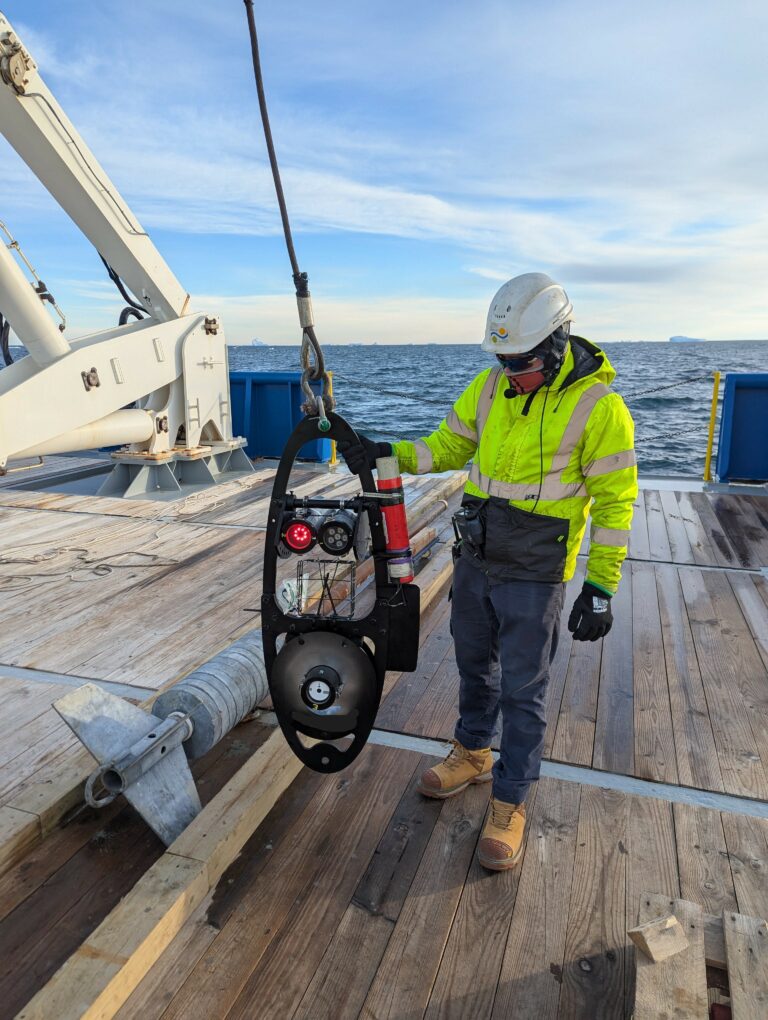
Thanks to your support, the team will collect unprecedented data on the Antarctic abyss, home to mysterious organisms such as the colossal squid.

The project relies on a unique innovation: ESCA, for Electronic Signalling Cephalopod Attractor — a nod to deep‑sea anglerfish and their small bioluminescent lure known as the esca.

Inspired by living systems, this device attracts species using controlled light signals, filmed in 360° by high‑resolution cameras.

A non‑invasive technology to shed (literally) light on the most mysterious depths of our planet!

Thank you and congratulations to the scientific teams for these powerful images and essential missions.

We can’t wait to share the next stages of this decisive expedition with you!

,

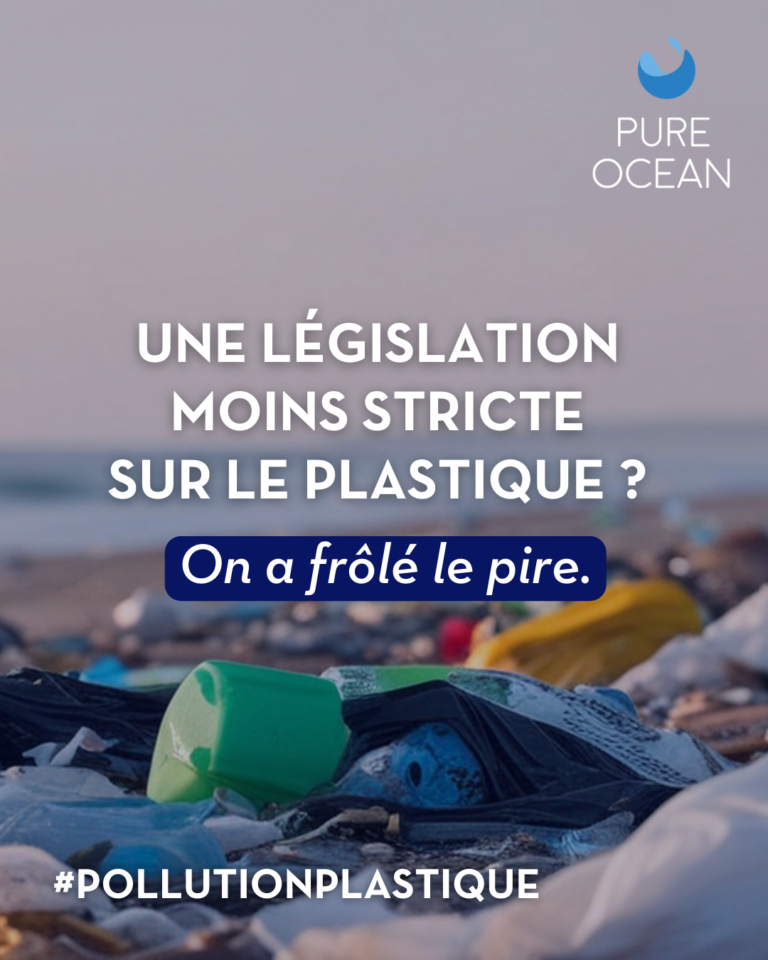
Plastic pollution: how can we still consider turning back in 2026?

Plastic pollution: how can we still consider turning back in 2026?

Plastic pollution is accelerating. Science is sounding the alarm. And yet… France is preparing to give it even more power.

Since 2020, the AGEC law has set a clear course: reduce single‑use plastics, limit waste at the source, and protect both human health and biodiversity.

After years of work and commitments, France was finally moving in the right direction.

👉 Today, this progress is under threat.

As part of the Ddadue bill (an adaptation to European law), several amendments tabled in the Senate proposed rolling back these advances, some of them developed with representatives of the plastics industry.

Even though they were rejected in committee, nothing is settled yet: 🔁 they will return for debate during the public session.

The road remains full of obstacles, a clear sign of the power of lobbies willing to do whatever it takes to maintain the status quo.

Among the rollbacks being considered:

❌ postponing the end of single‑use plastic packaging to 2040,

❌ calling into question the 50% reduction in plastic bottles by 2030,

❌ bringing plastic containers back into school cafeterias and healthcare facilities,

❌ the possible return of free plastic bottles in offices and public buildings.

Unacceptable setbacks.

🔵 Science is unequivocal: plastic accumulates, fragments, and contaminates ecosystems and living organisms.

Turning back now would be an ecological and public‑health absurdity.

But one thing is certain:

You, as business leaders, are not condemned to wait.

Your ability to act does not depend on the parliamentary calendar:

➡️ You can move faster than the law.

➡️ You can support low‑impact, sustainable solutions.

➡️ You can align your decisions with scientific reality — not with industrial pressure.

In the face of rollback attempts, redoubling ambition is an act of responsibility.

Reducing plastic is not an option. It is a necessity.

,

Thank you to BSMART 4Change for their commitment alongside us!

Thank you to BSMART 4Change for their commitment alongside us!

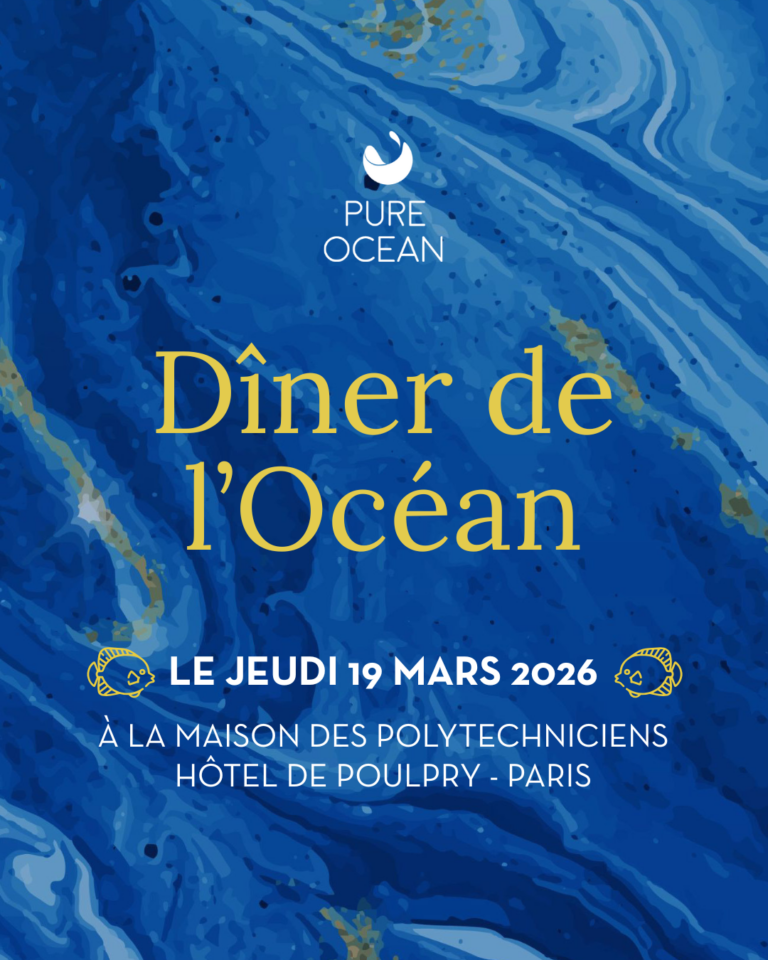
À l’occasion du Dîner de l’Océan 2026, BSMART 4Change met en lumière notre mobilisation collective à travers une vidéo dédiée.

➡️ Un partenariat média précieux pour amplifier un message simple : la science a besoin des entrepreneur.e.s.

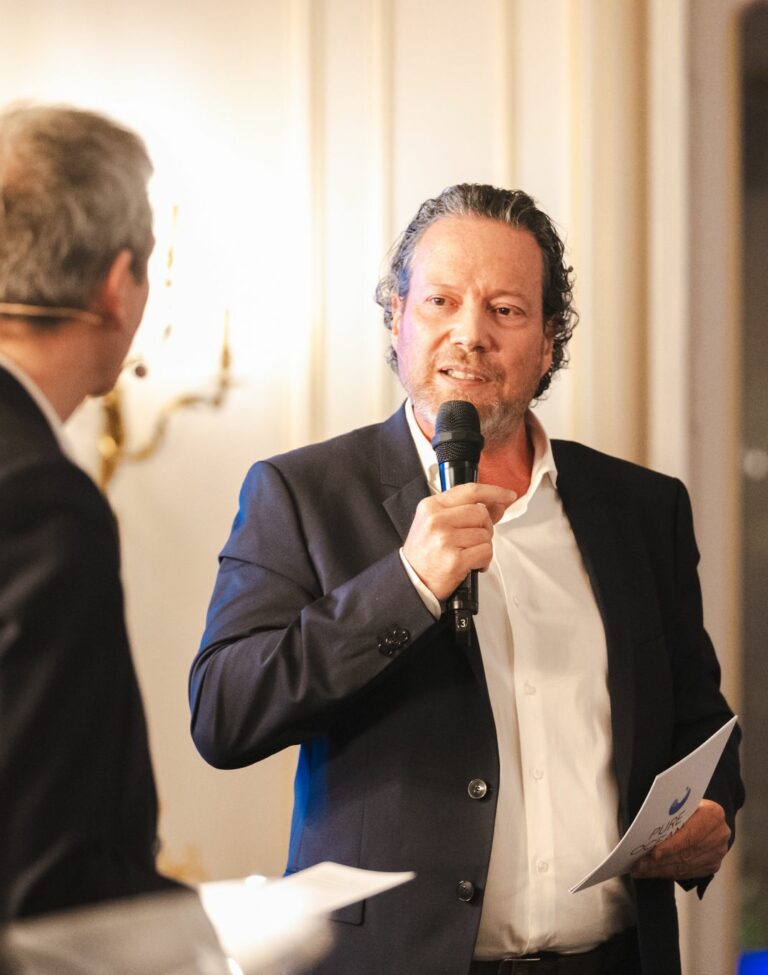
🎤 Nous sommes également heureux d’annoncer que la soirée du jeudi 19 mars sera animée par Thomas Hugues, journaliste engagé sur les enjeux économiques et sociétaux. Sa présence donnera le ton d’un rendez-vous tourné vers l’impact et l’action.

🌟 Le Dîner de l’Océan, c’est bien plus qu’un événement. C’est un moment stratégique où dirigeantes, dirigeants, mécènes et scientifiques se réunissent pour accélérer la recherche océanique.

Merci à BSMART 4Change pour sa confiance et son soutien à la recherche scientifique au service de l’océan.

📍Jeudi 19 mars 2026 – Hôtel de Poulpry, Paris – Il reste quelques places, contactez nous !

,

International Day of Women in Science!

Journée internationale des femmes de science !

International Day of Women in Science!

On this special day, let’s shine a spotlight on the women who are advancing marine research and opening new pathways for ocean protection.

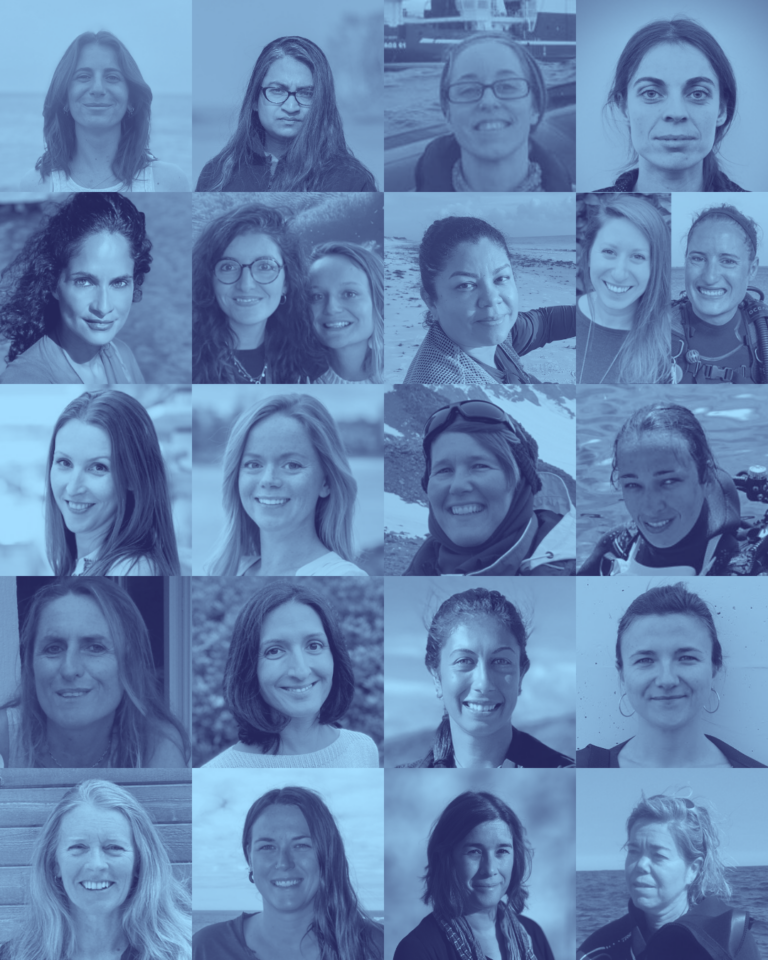
Of the 34 research projects we support around the world, 20 are led or co‑led by women.

In a scientific field where women are still too often underrepresented, we are particularly proud to stand alongside them and support their work.

👩‍🔬🌎 Every day, they push back the boundaries of knowledge, transform our understanding of marine ecosystems, and help build the solutions of tomorrow.

To all these scientists who, often far from the spotlight, create real impact: thank you.

Your commitment is an inspiration.

✨ The women researchers behind these projects (alphabetical order):

Agnese Riccardi – Panther,
Alifa Bintha Haque – Bycatch & Beyond,
Ariadna Mecho – Mecopo,
Claudia Pogoreutz – SymbioSwap,
Elisa Areano – Mangrove Beekeeping,
Fanny Karatchodjoukova & Pauline Le Coq – Microcean,
Francimeire Costa – Regen Ocean Farms,
Hannah Epstein & Cassandra Benkwitt – Birds On Sticks,
Jennifer Lavers – Synsen & MicroPow,
Jennifer Matthews – Reef Reborn,
Katherine Bolstad – Antarctic Biolum,
Laura Barth – Polaris,
Laurence Le Direach – Floating Reef,
Lucie Cocquempot – Citizen into Science,
Luisa Fontoura – Fish On The Move,
Mar Benavides – Idefix,
Marta Ribes – SPO Plastic,
Megan Schuknecht – ALT‑Waste,
Nakia Cullain – Manta,
Nelia da Costa Mestre – RimiOmics.

🔎 Discover their remarkable projects: www.pure-ocean.org

, ,

What if plastics in the ocean were far more dangerous than we think?

What if plastics in the ocean were far more dangerous than we think?

Not just because they suffocate marine animals.

But because they carry an invisible, chemical… and toxic pollution.

This week, we spoke out against the #TooMuch campaign, which downplays the impact of plastic, particularly on health.

A complex issue, often oversimplified to suit certain interests — especially those of industry.

But science is shedding light on a reality that rhetoric cannot erase.

👉 PlastiDrugs is a research project led by Rafael Trevisan, which we have supported since 2023 thanks to the commitment of our patrons.

Conducted between Brest and Santos (Brazil), it shows that marine plastics are far from inert.

They act as real chemical sponges, capable of absorbing and concentrating residues of pharmaceuticals and drugs.

☠️ Antidepressants. Painkillers. Caffeine. Cocaine. 💊

On some plastics, pollutant concentrations are up to 100 times higher than in the surrounding water.

And when they enter living organisms, the effects are immediate: up to 90% mortality observed in sea urchin embryos.

This pioneering work has already been recognized by the scientific community with several research awards, an extension funded by the City of Santos, and more. The entire team is extremely proud to support Rafael’s work — BRAVO!

This remarkable research reveals what is often left unsaid:

plastic does not only pollute.

It contaminates.

At Pure Ocean, we fund the science that brings clarity to the grey areas of the debate.

Because science should guide the narrative — never the other way around.

, ,

Discover the heroes behind PANTHER’s success

Discover the heroes behind the success of the PANTHER project

🥳 Last week, we shared some great news from the PANTHER project: on the island of Pantelleria, the Secca di Campobello has been granted protected status dedicated to scientific research and ecological restoration!

🎥 Now discover the people who made this possible in a video produced by MedReAct, a key partner in the project.

A unique opportunity to dive into the heart of this unprecedented collaboration between researchers, fishers, activists, and local stakeholders — and to see how science and collective commitment are driving real change for the ocean.

,

World Climate Day

title

Today, let’s remind ourselves of an often-forgotten truth:

💙 The ocean is our greatest ally against climate change.

It absorbs nearly a quarter of our CO₂ emissions, regulates temperature and climate…

And all of this thanks to invisible actors: marine microorganisms.

🧬 Plankton: the planet’s silent lung.

These billions of tiny organisms capture carbon and transport it to the depths.

This is the biological carbon pump, a vital mechanism to mitigate climate change… yet still largely unknown.

🔬 That’s why Pure Ocean supports the Microcean project.

The goal is to describe and decipher the role of oceanic microorganisms in climate regulation, and shed light on the challenges facing the deep ocean.

🎯 Understanding to better protect.

Knowing these species better means defending them more effectively against overexploitation, pollution, and the pressures threatening the deep ocean.

It also means better understanding how the ocean protects us every day.

👉 On this World Climate Day, let’s never forget:

Protecting the ocean is protecting the climate.

,

Offer your customers greetings that live up to your commitments

Offer your customers greetings that live up to your commitments

Ce Giving Tuesday, associez générosité et impact : faites un don pour la préservation de l’océan et transformez vos vœux en un acte visible de RSE, capable d’inspirer vos clients et partenaires.

Vous n’avez toujours pas trouvé votre carte de vœux ? Pas de panique ! ⤵️

Nous avons conçu une solution simple pour vous faire gagner du temps, et faire rayonner votre engagement !

Avec nos cartes de vœux animées Pure Ocean, votre entreprise :

✅ soutient un projet scientifique de préservation marine,

✅ partage un message porteur de sens auprès de votre réseau,

✅ et bénéficie d’une déduction fiscale avant la fin d’année.

💰 1000 € de don = 400 € après déduction fiscale

🌍 4 écosystèmes à protéger : 🪸 Corail • 🌿 Posidonie • 🐝 Mangrove • 🐋 Haute mer

Ce Giving Tuesday, envoyez plus qu’un message :

envoyez un geste concret pour l’océan.

👉 Personnalisez votre carte : https://pure-ocean.org/pure-ocean/

,

Today is #BlueMonday. Ocean Monday?

Today it is #BlueMonday

Ocean Monday? ❌ Well… no, nothing to do with the ocean!

Blue Monday is considered the most depressing day of the year.

And yet, at Pure Ocean, we’re starting the week with great news: the High Seas Treaty has officially entered into force! 🎉

So what does this change? 👇

✅ International waters are now protected.
After more than 20 years of negotiations, 83 countries have ratified this essential agreement.

‼️ A legal gap has finally been filled: more than 60% of the ocean had little to no protection.

The high seas—over half of the ocean—had until now escaped any global protection framework. With the treaty’s entry into force, these international waters finally have shared rules to preserve their biodiversity.

⚖️ Clear rules for human activities.
Any activity likely to impact the high seas (extraction, aquaculture, etc.) will now be subject to an environmental impact assessment. This is mandatory for the 83 countries that have ratified the treaty.

🌱 Fair sharing of benefits from marine genetic resources.

The treaty establishes rules governing access to marine genetic resources and ensures that the benefits derived from their use are shared fairly among all countries.

🐋 Towards new marine protected areas.

Until now, less than 1% of the high seas benefited from official protection. With this treaty, the creation of vast marine protected areas in the high seas becomes possible—for the first time ever.

🔜 And this is only the beginning: a first global ocean conference will be held in New York by the end of 2026 to define the first concrete measures.

💫 On this Blue Monday, we choose hope.
It may not be Blue Monday for our mood…

But for the ocean, it’s clearly a day to celebrate! 💙