In recent weeks, the Shein scandal has once again highlighted the dark side of fast fashion:
massive overproduction on the other side of the world, opaque and unethical practices, chemical substances, and clothes designed not to last.
‼️ And the disaster doesn’t stop at our closets.
In Accra, Ghana, the largest second-hand clothing market in the world receives 15 million garments each week from Northern countries. 🐢 A large portion is unsellable and ends up in the Korle Lagoon, polluting the seabed, destroying turtle habitats, and severely impacting the lives of local residents by contaminating their environment and threatening their livelihoods.
You’ve probably seen the images of beaches overrun with clothes—now imagine everything under the water…
➡️ And yet we do nothing. Why?
From the surface, this underwater pollution is invisible.
When a phenomenon cannot be seen, measured, or quantified…
👉 it does not exist in the eyes of policymakers.
In short: no data = no problem.
Yet the urgency is very real.
This is where science and technology make a difference.
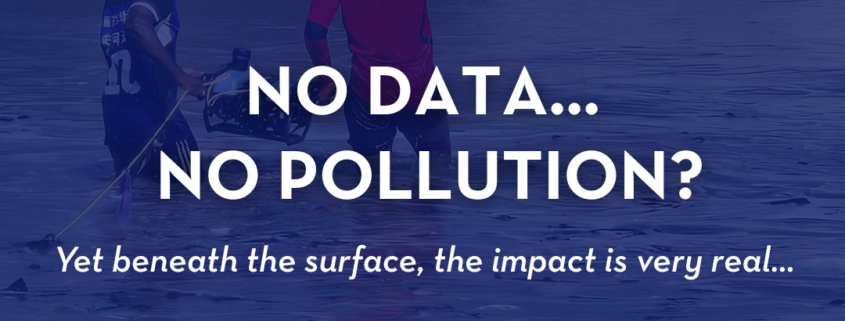
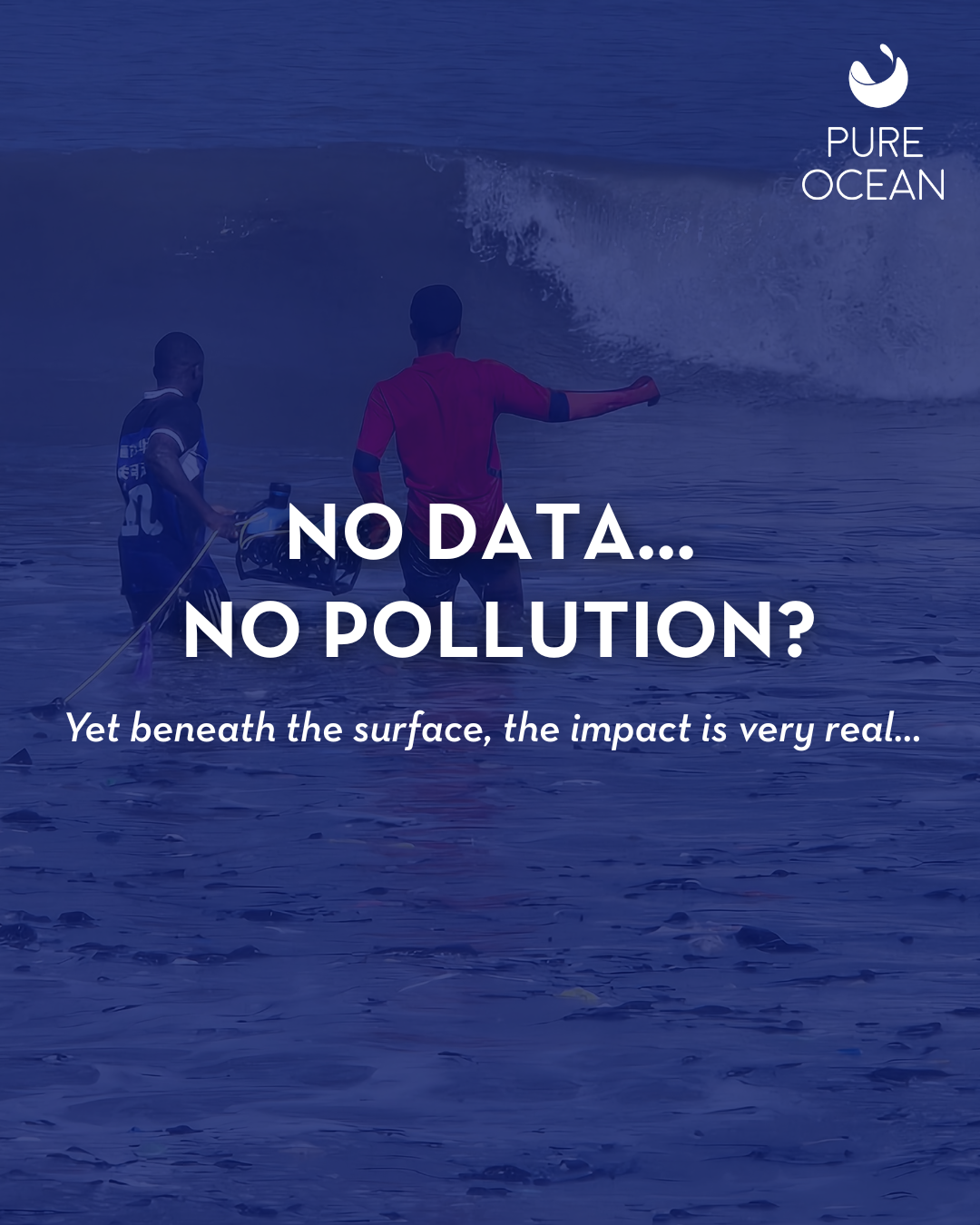
The ALT-Waste project, supported by Pure Ocean, uses an autonomous underwater robot to map this textile pollution and measure its real impact on biodiversity.
💙 Join Pure Ocean and support the research that reveals the invisible.
https://www.pure-ocean.org/wp-content/uploads/2026/01/ALT-WASTE-1.png13501080Pureoceanhttps://www.pure-ocean.org/wp-content/uploads/2017/09/LOGO-FINAL-01.pngPureocean2025-12-16 09:33:422026-01-23 10:49:19How do you fight what you can't see?
Discover the brilliant minds behind our 2025 winners!
Every week, 15 million items of used clothing arrive in Accra, Ghana. Much of it ends up in the Korle lagoon, polluting beaches and destroying marine habitats, particularly those of turtles. With the acceleration of fast fashion, this textile pollution is worsening and is being dispersed into the ocean, to the indifference of the general public.
Today, there is still a lack of precise data on the extent of this pollution, preventing the introduction of effective measures to combat it.
Megan Schuknecht and Joseph Ayesu have decided to take action: with the ALT-Waste project, they are deploying an autonomous underwater robot to map precisely this underwater textile waste, which is currently invisible to the public authorities.
This scientific data is essential for raising awareness among decision-makers and implementing effective solutions to protect marine biodiversity.
https://www.pure-ocean.org/wp-content/uploads/2025/06/ALT-WASTE-e1750344299242.jpg19201080Pureoceanhttps://www.pure-ocean.org/wp-content/uploads/2017/09/LOGO-FINAL-01.pngPureocean2025-05-15 10:57:152025-06-20 12:30:09ALT-Waste - with Megan Schuknecht & Joseph Ayesu
https://www.pure-ocean.org/wp-content/uploads/2025/03/Design-sans-titre-4.png10801080Pureoceanhttps://www.pure-ocean.org/wp-content/uploads/2017/09/LOGO-FINAL-01.pngPureocean2025-03-21 10:58:462025-06-20 12:32:02[Press Release] Pure Ocean 2025 winners announced
BIG ANNOUNCEMENT 2025: Discover our 6 winning projects!
Today is a great day for the ocean and for scientific research! We are delighted to unveil the winning projects from the 2025 Pure Ocean Call for Projects. These innovative initiatives will help protect the ocean, preserve marine biodiversity and build resilience in the face of climate change.
A round of applause for our 6 winners! 📣
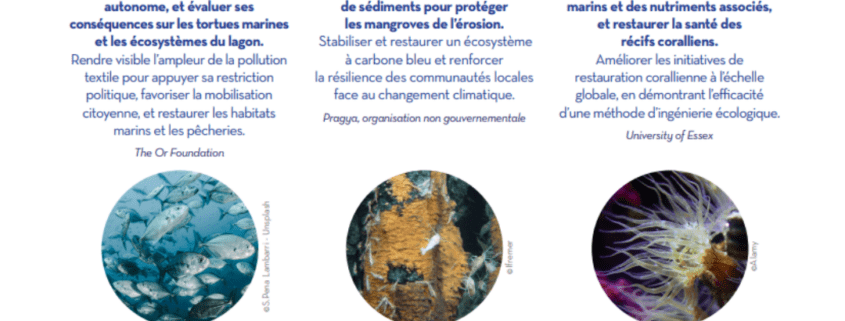
👕 ALT-WASTE: map underwater textile pollution to combat it more effectively,
🌱AQUAMAP: develop silvo-fish farming to halt the erosion of mangroves, major reservoirs of blue carbon,
🦤 BIRDS ON STICKS: encourage the return of seabirds to fertilize coral reefs,
🐟 FISH ON THE MOVE: optimize the connection between marine protected areas to
boost biodiversity,
🦐RIMIOMICS: demonstrate the toxicological impact of mining on abyssal ecosystems,
🪸 SYMBIOSWAP: test the exchange of symbiotic algae to make Mediterranean corals more resistant to climate change.
Why are this project important? ✨
These projects pave the way for concrete, ambitious and nature-based solutions to the urgent challenges facing the ocean. Each of them has been selected by our scientific committee for its potential for innovation, its impact on practices and its contribution to ocean science.
Many thanks to our scientific committee Gilles Boeuf, Anna Zivian, Kartik Shanker, Abdelmalek Faraj, Flavia Lucena Fredou 🙏
🔬 Congratulations to the scientific teams and partners for their exceptional commitment. These projects are a big step towards a healthier ocean.
See you soon to find out more about these hopeful projects!