
[av_section min_height=’custom’ min_height_px=’400px’ padding=’default’ shadow=’no-shadow’ bottom_border=’no-border-styling’ bottom_border_diagonal_color=’#333333′ bottom_border_diagonal_direction=” bottom_border_style=” id=” color=’main_color’ custom_bg=” src=’https://www.pure-ocean.org/wp-content/uploads/2021/12/capricorn_oli_2019244_lrg-scaled.jpg’ attachment=’7487′ attachment_size=’full’ attach=’parallax’ position=’center center’ repeat=’stretch’ video=” video_ratio=’16:9′ overlay_opacity=’0.5′ overlay_color=” overlay_pattern=” overlay_custom_pattern=” av_element_hidden_in_editor=’0′][/av_section]
[av_three_fifth first min_height=” vertical_alignment=” space=” custom_margin=” margin=’0px’ padding=’0px’ border=” border_color=” radius=’0px’ background_color=” src=” background_position=’top left’ background_repeat=’no-repeat’ animation=” mobile_breaking=” mobile_display=”]
[av_button label=’AMÉLIORER NOTRE CONNAISSANCE DU SYSTÈME-OCÉAN’ link=’manually,’ link_target=” size=’medium’ position=’left’ icon_select=’yes’ icon_hover=’aviaTBicon_hover’ icon=’ue8b1′ font=’entypo-fontello’ color=’custom’ custom_bg=’#071562′ custom_font=’#ffffff’ admin_preview_bg=”]
[av_hr class=’invisible’ height=’25’ shadow=’no-shadow’ position=’center’ custom_border=’av-border-thin’ custom_width=’50px’ custom_border_color=” custom_margin_top=’30px’ custom_margin_bottom=’30px’ icon_select=’yes’ custom_icon_color=” icon=’ue808′ font=’entypo-fontello’ admin_preview_bg=”]
[av_textblock size=” font_color=’custom’ color=’#071562′ av-medium-font-size=” av-small-font-size=” av-mini-font-size=” admin_preview_bg=”]
IDEFIX
Des petits organismes aux grands pouvoirs
[/av_textblock]
[/av_three_fifth]
[av_one_fifth min_height=” vertical_alignment=” space=” custom_margin=” margin=’0px’ padding=’0px’ border=” border_color=” radius=’0px’ background_color=” src=” background_position=’top left’ background_repeat=’no-repeat’ animation=” mobile_breaking=” mobile_display=”]
[av_image src=’https://www.pure-ocean.org/wp-content/uploads/2017/09/pictoDEF-01.png’ attachment=’14075′ attachment_size=’full’ align=’center’ styling=” hover=” link=” target=” caption=” font_size=” appearance=” overlay_opacity=’0.4′ overlay_color=’#000000′ overlay_text_color=’#ffffff’ animation=’no-animation’ admin_preview_bg=”][/av_image]
[/av_one_fifth]
[av_one_fifth min_height=” vertical_alignment=’av-align-top’ space=” margin=’0px’ margin_sync=’true’ padding=’20px’ padding_sync=’true’ border=” border_color=” radius=’0px’ radius_sync=’true’ background_color=” src=” attachment=” attachment_size=” background_position=’top left’ background_repeat=’no-repeat’ animation=” mobile_breaking=” mobile_display=”]
[av_heading heading=’LOCALISATION’ tag=’h3′ style=” size=” subheading_active=” subheading_size=’15’ padding=’10’ color=” custom_font=” av-medium-font-size-title=” av-small-font-size-title=” av-mini-font-size-title=” av-medium-font-size=” av-small-font-size=” av-mini-font-size=” admin_preview_bg=”][/av_heading]
[av_textblock size=” font_color=” color=” av-medium-font-size=” av-small-font-size=” av-mini-font-size=” admin_preview_bg=”]
Océan Indien
[/av_textblock]
[/av_one_fifth]
[av_hr class=’default’ height=’50’ shadow=’no-shadow’ position=’center’ custom_border=’av-border-thin’ custom_width=’50px’ custom_border_color=” custom_margin_top=’30px’ custom_margin_bottom=’30px’ icon_select=’yes’ custom_icon_color=” icon=’ue808′ font=’entypo-fontello’ admin_preview_bg=”]
[av_two_third first min_height=” vertical_alignment=’av-align-top’ space=” custom_margin=’aviaTBcustom_margin’ margin=’0px’ margin_sync=’true’ padding=’0px’ padding_sync=’true’ border=” border_color=” radius=’0px’ radius_sync=’true’ background_color=” src=” attachment=” attachment_size=” background_position=’top left’ background_repeat=’no-repeat’ animation=” mobile_breaking=” mobile_display=”]
[av_textblock size=” font_color=” color=” av-medium-font-size=” av-small-font-size=” av-mini-font-size=” admin_preview_bg=”]
L’azote est un élément indispensable à tous les êtres vivants. Dans l’océan, les micro-organismes appelés diazotrophes transforment l’azote atmosphérique dissous dans l’eau (diazote, N2) en une forme utilisable par les plantes et animaux marins : on parle alors de “fixation” de l’azote, un processus clé qui alimente toutes les chaînes alimentaires marines et permet la captation de CO2 par l’océan. Ce projet vise à étudier ce phénomène naturel en fonction des saisons de mousson dans l’Océan Indien, le bassin océanique se réchauffant le plus vite au monde. Les chercheurs espèrent également découvrir de nouvelles espèces de diazotrophes propres à cette région.
[/av_textblock]
[av_hr class=’default’ height=’50’ shadow=’no-shadow’ position=’center’ custom_border=’av-border-thin’ custom_width=’50px’ custom_border_color=” custom_margin_top=’30px’ custom_margin_bottom=’30px’ icon_select=’yes’ custom_icon_color=” icon=’ue808′ font=’entypo-fontello’ admin_preview_bg=”]
[av_textblock size=” font_color=” color=” av-medium-font-size=” av-small-font-size=” av-mini-font-size=” admin_preview_bg=”]
Grâce au phytoplancton réalisant la photosynthèse, l’océan capte près de 25% de nos émissions de CO2 chaque année, et contribue donc à limiter le réchauffement climatique. Mais cette réaction n’est possible que si le phytoplancton dispose d’azote, un élément essentiel à tous les êtres vivants. Les micro-organismes qui le leur fournissent sont appelés diazotrophes : ils transforment le diazote (N2) dissous dans l’eau en une forme assimilable par les autres organismes marins, un processus que l’on appelle “fixation de l’azote” et dont les mécanismes exacts sont encore peu connus selon les régions du monde.
Le projet IDEFIX étudie la fixation d’azote dans l’Océan Indien en fonction des saisons de mousson. C’est le bassin océanique se réchauffant le plus vite au monde, et décrypter le rôle de l’azote et des diazotrophes pourrait permettre d’expliquer pourquoi. De nouvelles espèces de diazotrophes propres à cette région seront également à découvrir lors de la Seconde Expédition Internationale dans l’Océan Indien (2022).
[/av_textblock]
[/av_two_third]
[av_one_third min_height=” vertical_alignment=’av-align-top’ space=” margin=’0px’ margin_sync=’true’ padding=’0px’ padding_sync=’true’ border=” border_color=” radius=’0px’ radius_sync=’true’ background_color=” src=” attachment=” attachment_size=” background_position=’top left’ background_repeat=’no-repeat’ animation=” mobile_breaking=” mobile_display=”]
[av_heading heading=’OBJECTIF DU PROJET’ tag=’h3′ style=” size=” subheading_active=” subheading_size=’15’ padding=’0′ color=” custom_font=” av-medium-font-size-title=” av-small-font-size-title=” av-mini-font-size-title=” av-medium-font-size=” av-small-font-size=” av-mini-font-size=” admin_preview_bg=”][/av_heading]
[av_textblock size=” font_color=” color=” av-medium-font-size=” av-small-font-size=” av-mini-font-size=” admin_preview_bg=”]
Décrypter le rôle de la fixation du diazote (N2) en fonction des saisons de mousson et découvrir de nouvelles espèces de diazotrophes propres à l’Océan Indien.
[/av_textblock]
[av_slideshow size=’portfolio’ animation=’slide’ autoplay=’true’ interval=’6′ control_layout=’av-control-default’]
[av_slide slide_type=’image’ id=’16615′ video=” mobile_image=” video_ratio=” title=” link_apply=” link=’lightbox’ link_target=” av-medium-font-size-title=” av-small-font-size-title=” av-mini-font-size-title=” av-medium-font-size=” av-small-font-size=” av-mini-font-size=” video_controls=” video_mute=” video_loop=” video_autoplay=”][/av_slide]
[av_slide slide_type=’image’ id=’16611′ video=” mobile_image=” video_ratio=” title=” link_apply=” link=’lightbox’ link_target=” av-medium-font-size-title=” av-small-font-size-title=” av-mini-font-size-title=” av-medium-font-size=” av-small-font-size=” av-mini-font-size=” video_controls=” video_mute=” video_loop=” video_autoplay=”][/av_slide]
[av_slide id=’16157′ slide_type=” video=’http://’ mobile_image=” video_ratio=’16:9′ video_controls=” video_mute=” video_loop=” video_autoplay=” title=” link_apply=” link=” link_target=” av-medium-font-size-title=” av-small-font-size-title=” av-mini-font-size-title=” av-medium-font-size=” av-small-font-size=” av-mini-font-size=”][/av_slide]
[av_slide slide_type=’image’ id=’16161′ video=’http://’ mobile_image=” video_ratio=’16:9′ title=” link_apply=” link=’lightbox’ link_target=” av-medium-font-size-title=” av-small-font-size-title=” av-mini-font-size-title=” av-medium-font-size=” av-small-font-size=” av-mini-font-size=” video_controls=” video_mute=” video_loop=” video_autoplay=”][/av_slide]
[av_slide slide_type=’image’ id=’16613′ video=” mobile_image=” video_ratio=” title=” link_apply=” link=’lightbox’ link_target=” av-medium-font-size-title=” av-small-font-size-title=” av-mini-font-size-title=” av-medium-font-size=” av-small-font-size=” av-mini-font-size=” video_controls=” video_mute=” video_loop=” video_autoplay=”][/av_slide]
[/av_slideshow]
[/av_one_third]
[av_hr class=’default’ height=’30’ shadow=’no-shadow’ position=’center’ custom_border=’av-border-thin’ custom_width=’50px’ custom_border_color=” custom_margin_top=’30px’ custom_margin_bottom=’30px’ icon_select=’yes’ custom_icon_color=” icon=’ue808′ font=’entypo-fontello’ admin_preview_bg=”]
[av_one_fifth first min_height=” vertical_alignment=” space=” custom_margin=” margin=’0px’ padding=’0px’ border=” border_color=” radius=’0px’ background_color=” src=” background_position=’top left’ background_repeat=’no-repeat’ animation=” mobile_breaking=” mobile_display=”][/av_one_fifth]
[av_three_fifth min_height=” vertical_alignment=” space=” custom_margin=” margin=’0px’ padding=’0px’ border=” border_color=” radius=’0px’ background_color=” src=” background_position=’top left’ background_repeat=’no-repeat’ animation=” mobile_breaking=” mobile_display=”]
[av_video src=’https://youtu.be/_EPdu7LmTZk’ format=’16-9′ width=’16’ height=’9′]
[/av_three_fifth]
[av_one_fifth min_height=” vertical_alignment=” space=” custom_margin=” margin=’0px’ padding=’0px’ border=” border_color=” radius=’0px’ background_color=” src=” background_position=’top left’ background_repeat=’no-repeat’ animation=” mobile_breaking=” mobile_display=”][/av_one_fifth]
[av_one_half first min_height=” vertical_alignment=” space=” custom_margin=” margin=’0px’ padding=’0px’ border=” border_color=” radius=’0px’ background_color=” src=” background_position=’top left’ background_repeat=’no-repeat’ animation=” mobile_breaking=” mobile_display=”]
[av_heading heading=’PORTEURS DU PROJET’ tag=’h3′ style=” size=” subheading_active=” subheading_size=’15’ padding=’0′ color=” custom_font=” av-medium-font-size-title=” av-small-font-size-title=” av-mini-font-size-title=” av-medium-font-size=” av-small-font-size=” av-mini-font-size=” admin_preview_bg=”][/av_heading]
[/av_one_half]
[av_one_half min_height=” vertical_alignment=’av-align-top’ space=” custom_margin=’aviaTBcustom_margin’ margin=’0px’ margin_sync=’true’ padding=’0px’ padding_sync=’true’ border=” border_color=” radius=’0px’ radius_sync=’true’ background_color=” src=” attachment=” attachment_size=” background_position=’top left’ background_repeat=’no-repeat’ animation=” mobile_breaking=” mobile_display=”]
[av_heading heading=’PARTENAIRES SCIENTIFIQUES’ tag=’h3′ style=” size=” subheading_active=” subheading_size=’15’ padding=’10’ color=” custom_font=” av-medium-font-size-title=” av-small-font-size-title=” av-mini-font-size-title=” av-medium-font-size=” av-small-font-size=” av-mini-font-size=” admin_preview_bg=”][/av_heading]
[/av_one_half]
[av_one_fourth first min_height=” vertical_alignment=’av-align-top’ space=” custom_margin=’aviaTBcustom_margin’ margin=’0px’ margin_sync=’true’ padding=’0px’ padding_sync=’true’ border=” border_color=” radius=’0px’ radius_sync=’true’ background_color=” src=” attachment=” attachment_size=” background_position=’top left’ background_repeat=’no-repeat’ animation=” mobile_breaking=” mobile_display=”]
[av_textblock size=” font_color=’custom’ color=’#000000′ av-medium-font-size=” av-small-font-size=” av-mini-font-size=” admin_preview_bg=”]
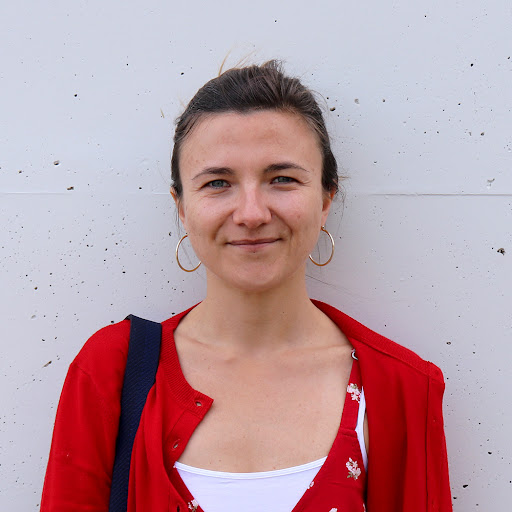 Mar Benavides, chargée de recherche IRD à l’Institut Méditerranéen d’Océanologie (MIO), Marseille, France.
[/av_textblock]
[/av_one_fourth]
[av_one_fourth min_height=” vertical_alignment=’av-align-top’ space=” margin=’0px’ margin_sync=’true’ padding=’0px’ padding_sync=’true’ border=” border_color=” radius=’0px’ radius_sync=’true’ background_color=” src=” attachment=” attachment_size=” background_position=’top left’ background_repeat=’no-repeat’ animation=” mobile_breaking=” mobile_display=”]
[av_textblock size=” font_color=’custom’ color=’#000000′ av-medium-font-size=” av-small-font-size=” av-mini-font-size=” admin_preview_bg=”]
 Subhadeep Chowdhury, doctorant à l’Université d’Aix-Marseille, France.
[/av_textblock]
[/av_one_fourth]
[av_one_fourth min_height=” vertical_alignment=’av-align-top’ space=” custom_margin=’aviaTBcustom_margin’ margin=’0px’ margin_sync=’true’ padding=’0px’ padding_sync=’true’ border=” border_color=” radius=’0px’ radius_sync=’true’ background_color=” src=” attachment=” attachment_size=” background_position=’top left’ background_repeat=’no-repeat’ animation=” mobile_breaking=” mobile_display=”]
[av_textblock size=” font_color=” color=” av-medium-font-size=” av-small-font-size=” av-mini-font-size=” admin_preview_bg=”]
Dr. Arvind Singh, maître de conférences au Physical Research Laboratory (PRL) à Ahmedabad, Inde.
[/av_textblock]
[/av_one_fourth]
[av_hr class=’default’ height=’50’ shadow=’no-shadow’ position=’center’ custom_border=’av-border-thin’ custom_width=’50px’ custom_border_color=” custom_margin_top=’30px’ custom_margin_bottom=’30px’ icon_select=’yes’ custom_icon_color=” icon=’ue808′ font=’entypo-fontello’ admin_preview_bg=”]
[av_partner columns=’4′ heading=” size=’no scaling’ border=’av-border-deactivate’ type=’grid’ animation=’slide’ navigation=’arrows’ autoplay=’false’ interval=’5′]
[av_partner_logo id=’7530′ hover=” link=” linktitle=” link_target=’_blank’]
[av_partner_logo id=’7532′ hover=” link=” linktitle=” link_target=’_blank’]
[av_partner_logo id=’7526′ hover=” link=” linktitle=” link_target=’_blank’]
[av_partner_logo id=’7529′ hover=” link=” linktitle=” link_target=’_blank’]
[/av_partner]