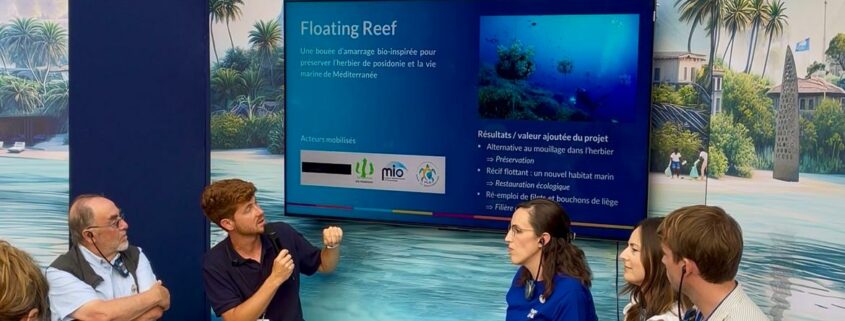
This was the big question of our intervention at the UNOC in Nice, as part of the event ‘An archipelago of solutions for the ocean, climate and biodiversity’.
📍 On 11 June, at the Whale – the green zone of the 3rd United Nations Ocean Conference – we were invited by the ocean climate platform to take part in the session:
Taking action in the Mediterranean: protect, restore, mobilise.
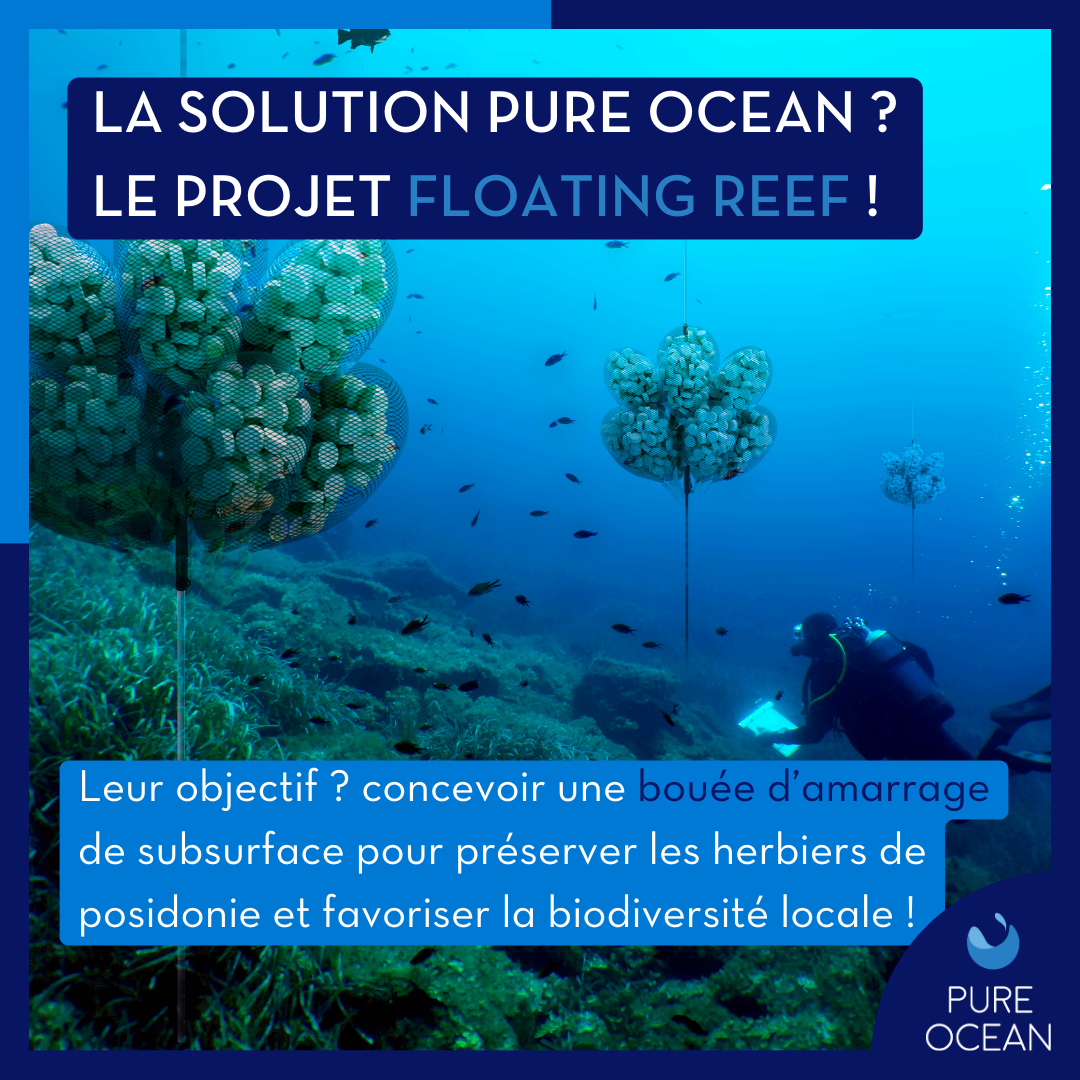
🎤 Charlie, our scientific coordinator, took the opportunity to present the Floating Reef project, a promising initiative supported by Rougerie Tangram, the GIS Posidonie and the Mediterranean Institute of Oceanography MIO, to restore degraded marine ecosystems.
We were lucky enough to share the stage with:
🔹 Anaïs Massé – Fondation de la Mer
🔹 Camille RICHER – BlueMove
🔹 Bruno Dumontet – MED Expedition
💬 A round table brilliantly moderated by Victor Brun of the Ocean & Climate Platform (and former leader of the Shama project! 😉)
🎥 To find out more and (re)experience this powerful moment, watch the video here!
🙏 A huge thank you to Ocean & Climate Platform and Anaïs Deprez for their invitation and trust.
https://www.pure-ocean.org/wp-content/uploads/2025/06/UNOC5-e1750340463551.jpg15001170Pureoceanhttps://www.pure-ocean.org/wp-content/uploads/2017/09/LOGO-FINAL-01.pngPureocean2025-06-12 17:07:112025-06-20 11:24:30How can we protect Mediterranean marine habitats?
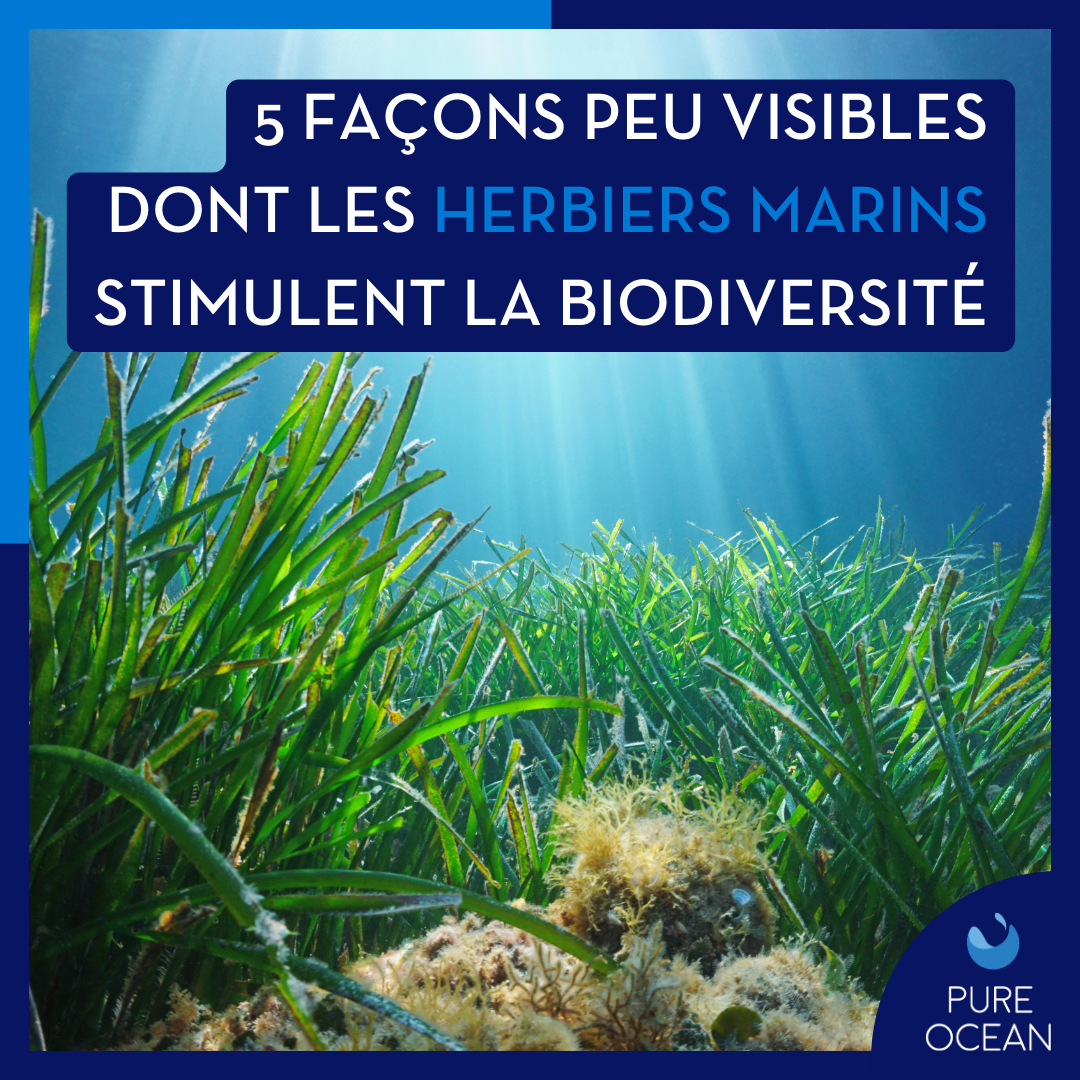
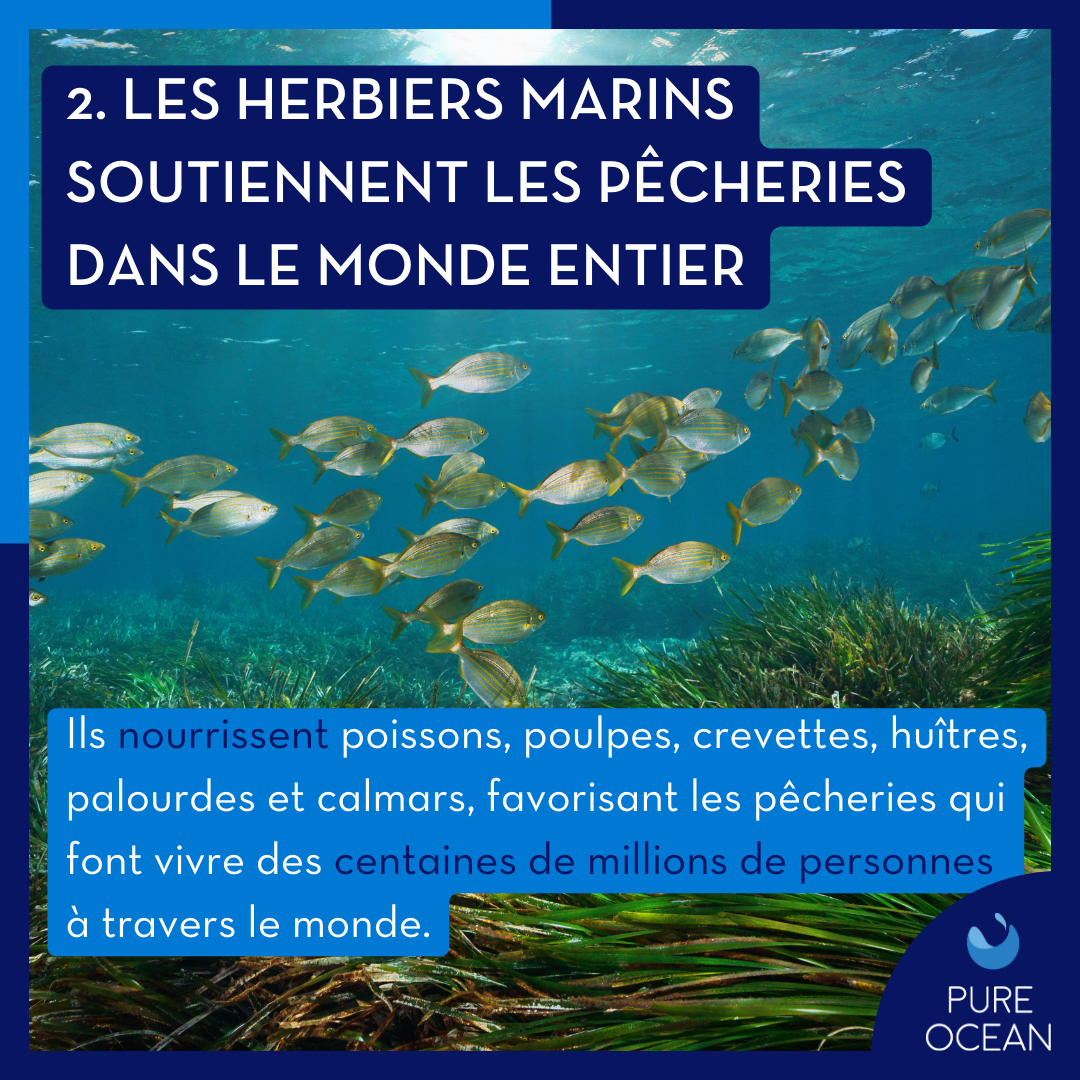
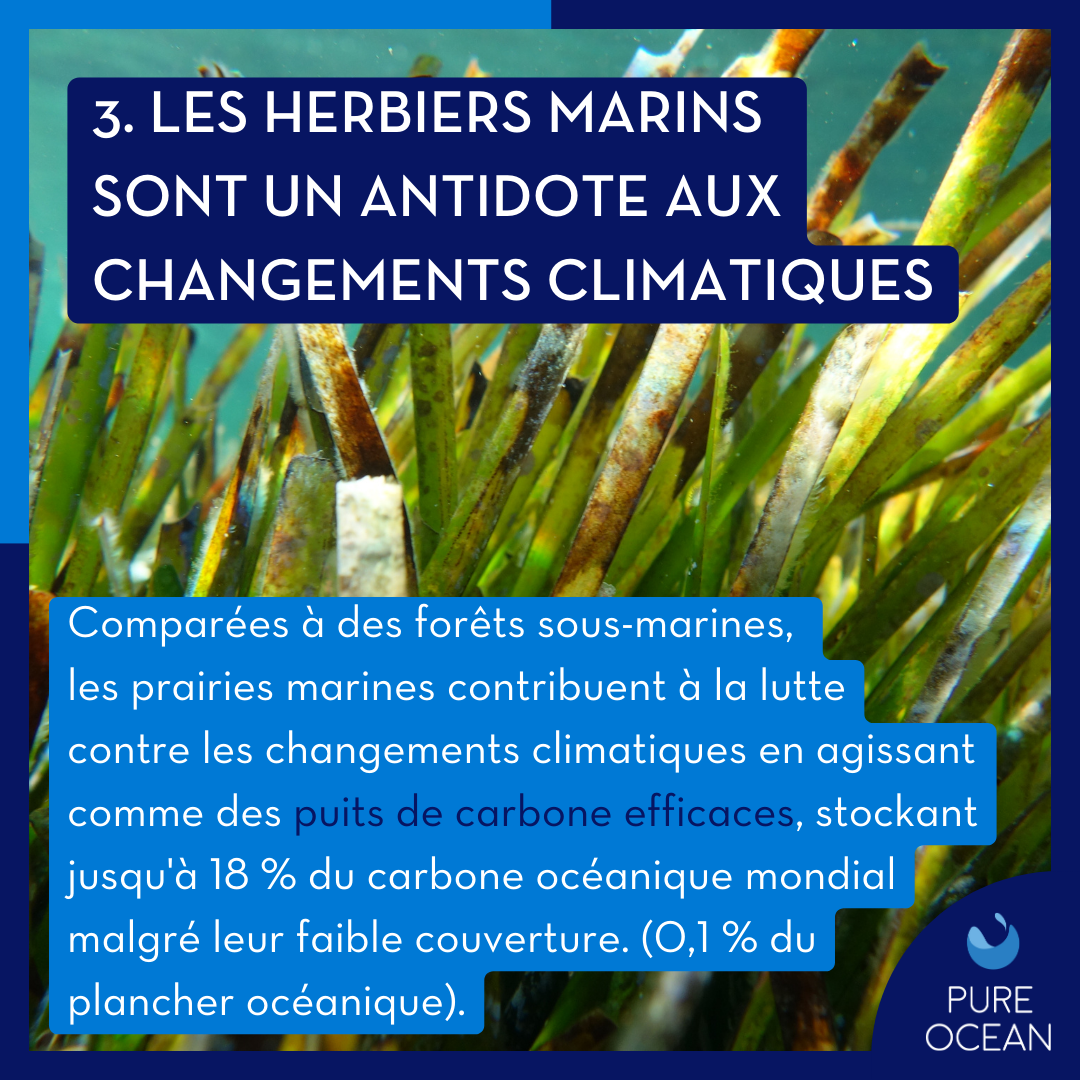
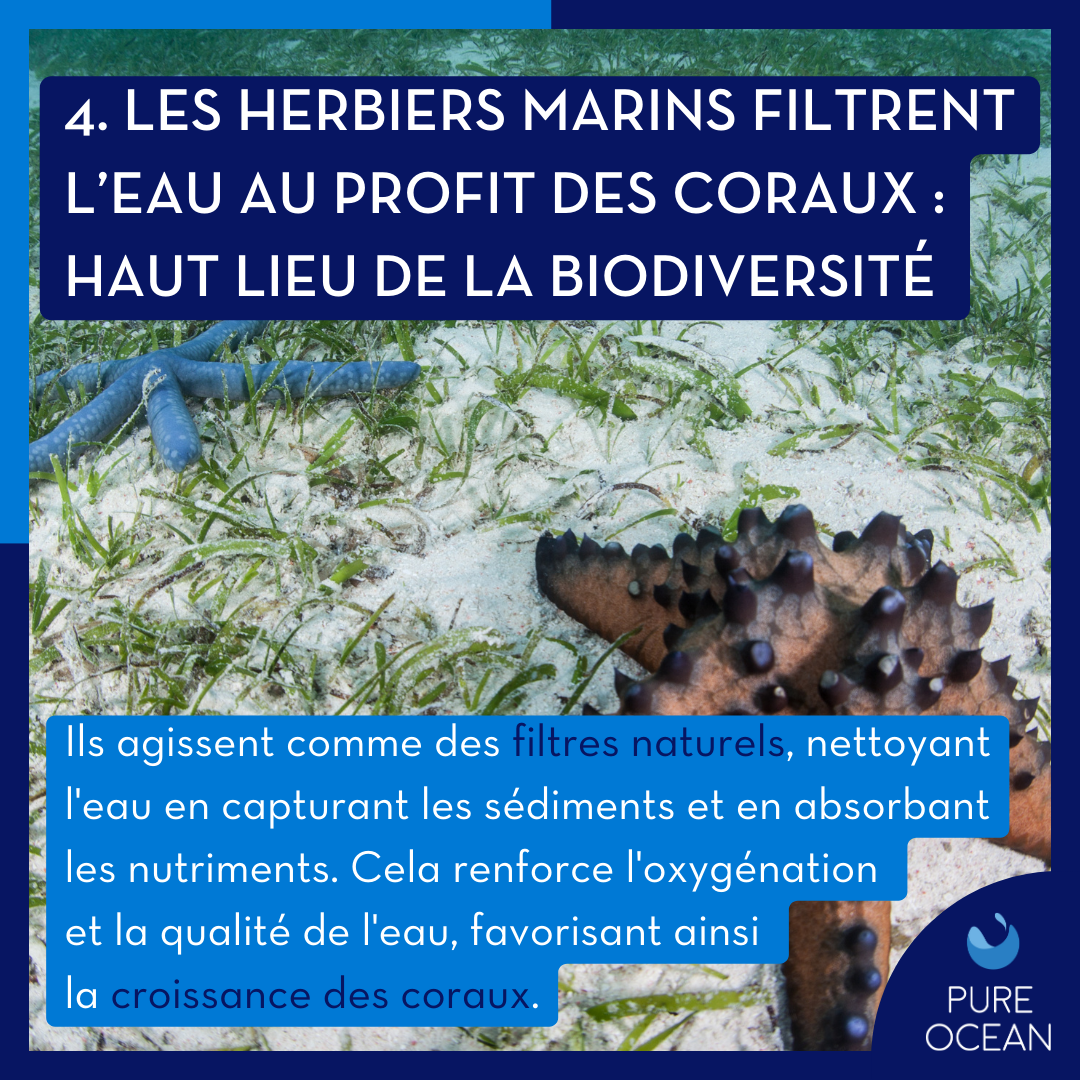
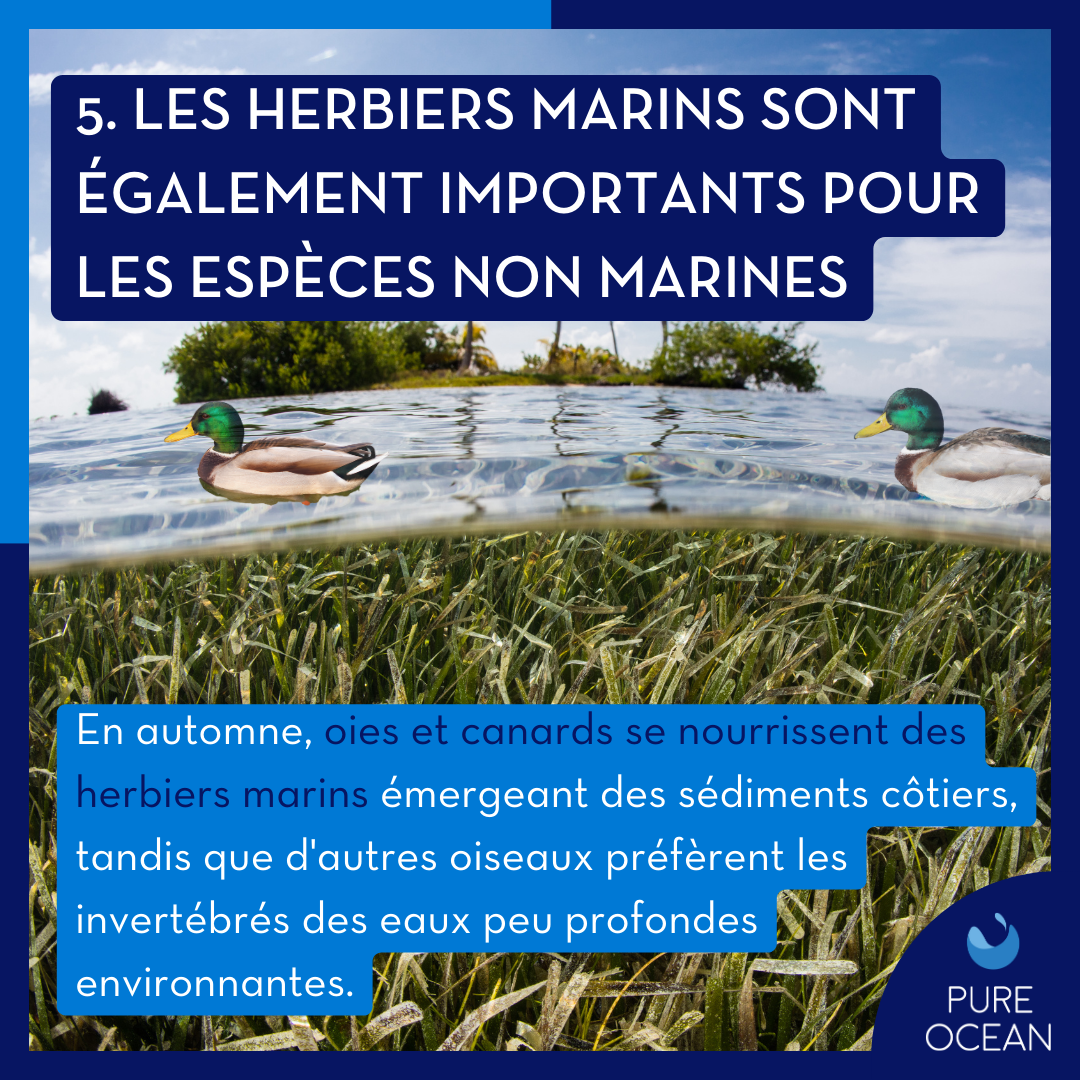
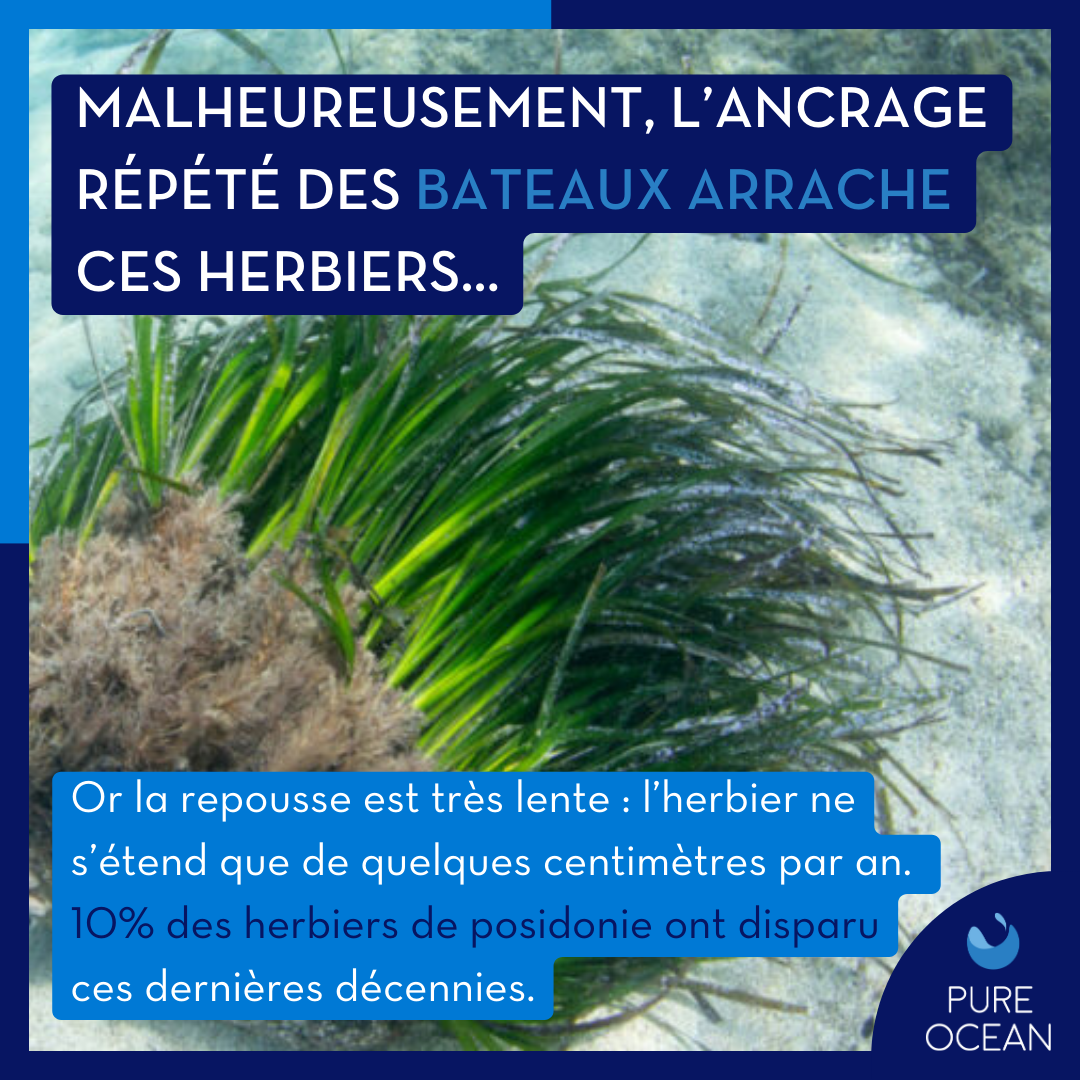
Seagrass beds are one of the largest marine ecosystems on the planet, occupying around 300,000 km2 of the seabed and spread across 159 countries. Yet the equivalent of a soccer field disappears every 30 minutes, and an estimated 7% of the world’s seagrass beds are lost every year. Ocean acidification, coastal development and rising ocean temperatures caused by climate change are the main causes of seagrass disappearance.
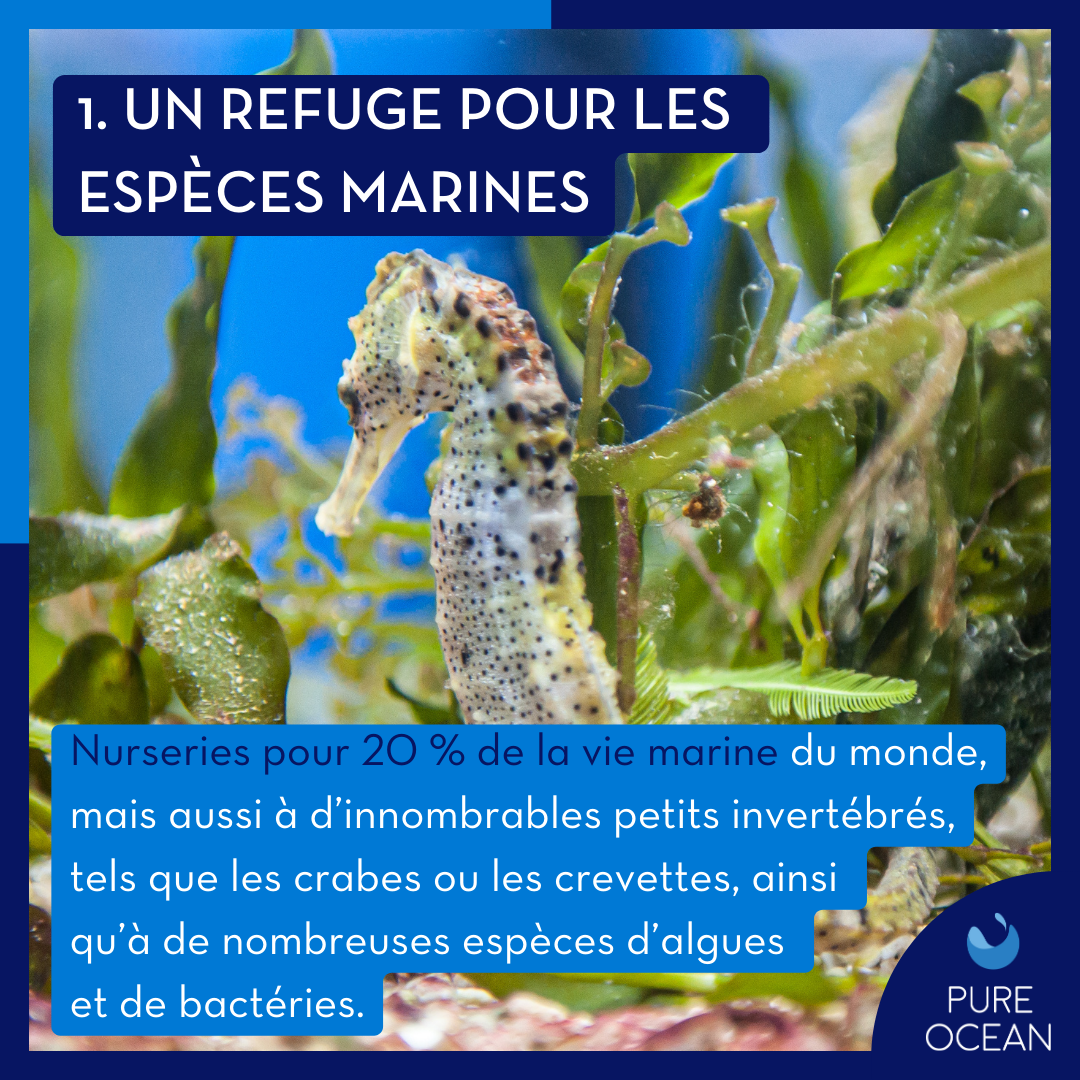
Discover the 5 inconspicuous ways in which seagrass beds stimulate biodiversity!
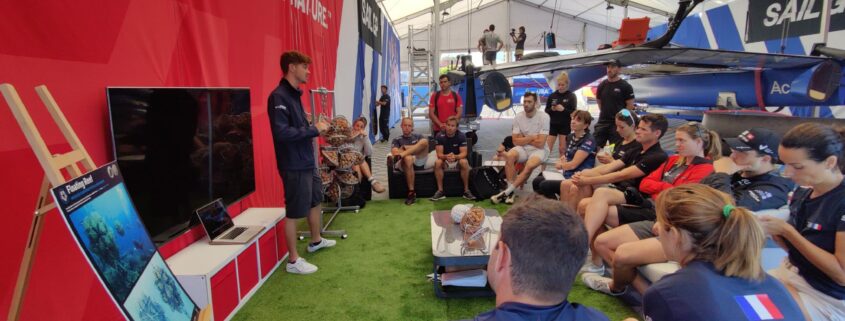
https://www.pure-ocean.org/wp-content/uploads/2022/09/22.09.09-sans-titre-3.jpg15362048Pureoceanhttps://www.pure-ocean.org/wp-content/uploads/2017/09/LOGO-FINAL-01.pngPureocean2022-09-10 11:25:502023-08-11 18:09:57September 2022 : Unveiling the first Floating Reef prototype to the Sail GP crews!