Sustainable land-based aquaculture to preserve biodiversity
The IMTA project
CONTEXT AND MAIN ISSUES
A true aquaculture of the future, the development of AMTI by a team of highly complementary experts will reduce environmental impact while increasing the social benefits generated by employment in marginalized areas.
In Mexico, the high demand for fish is driving manufacturers to develop offshore aquaculture. But the very fragile marine ecosystems of the Caribbean would be threatened by the introduction of conventional aquaculture, which produces waste and suffocates the environment.
GOALS
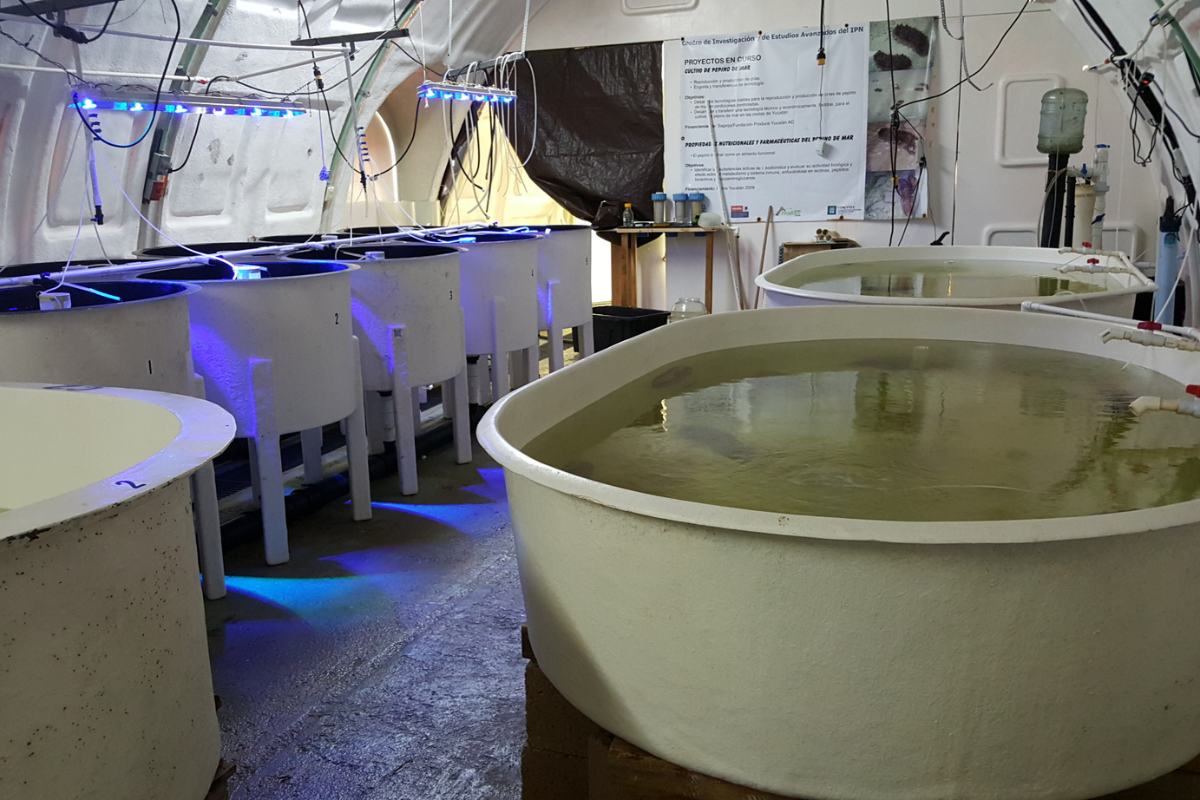
Developing an Integrated Multi-trophic Aquaculture (IMTA) system using saline groundwater.
METHOD
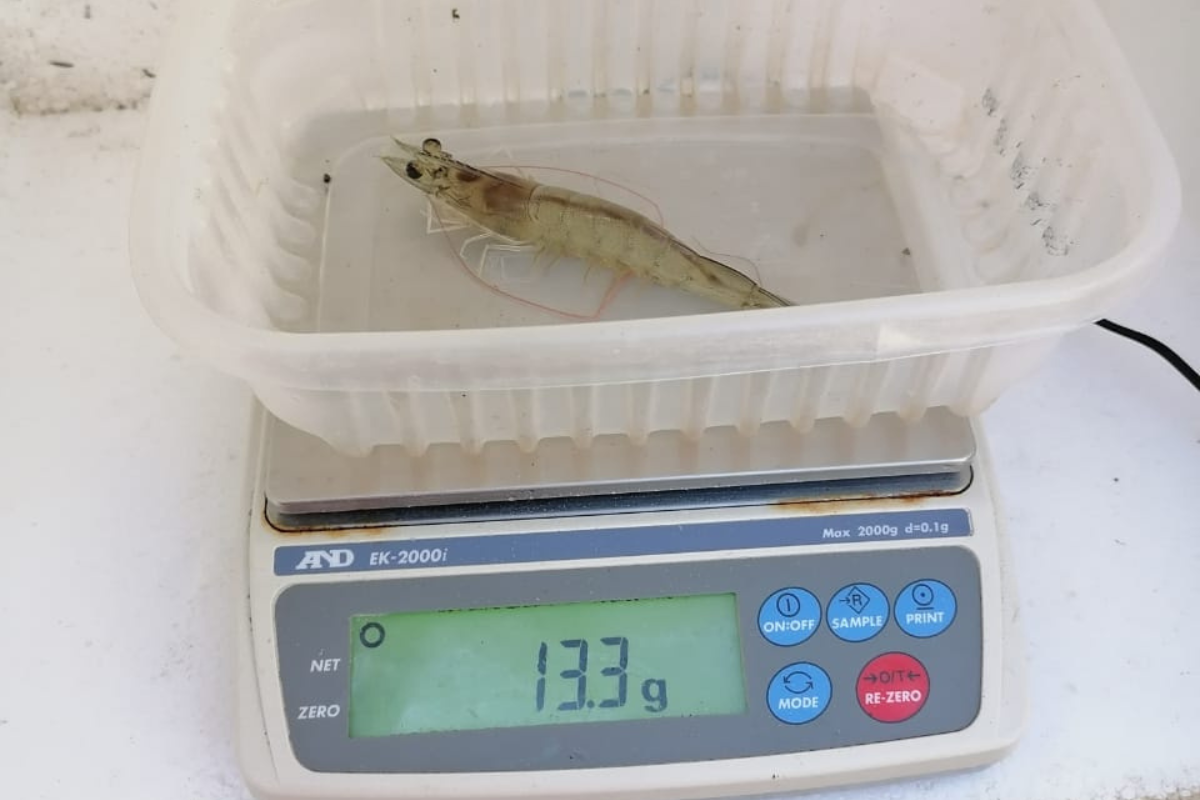
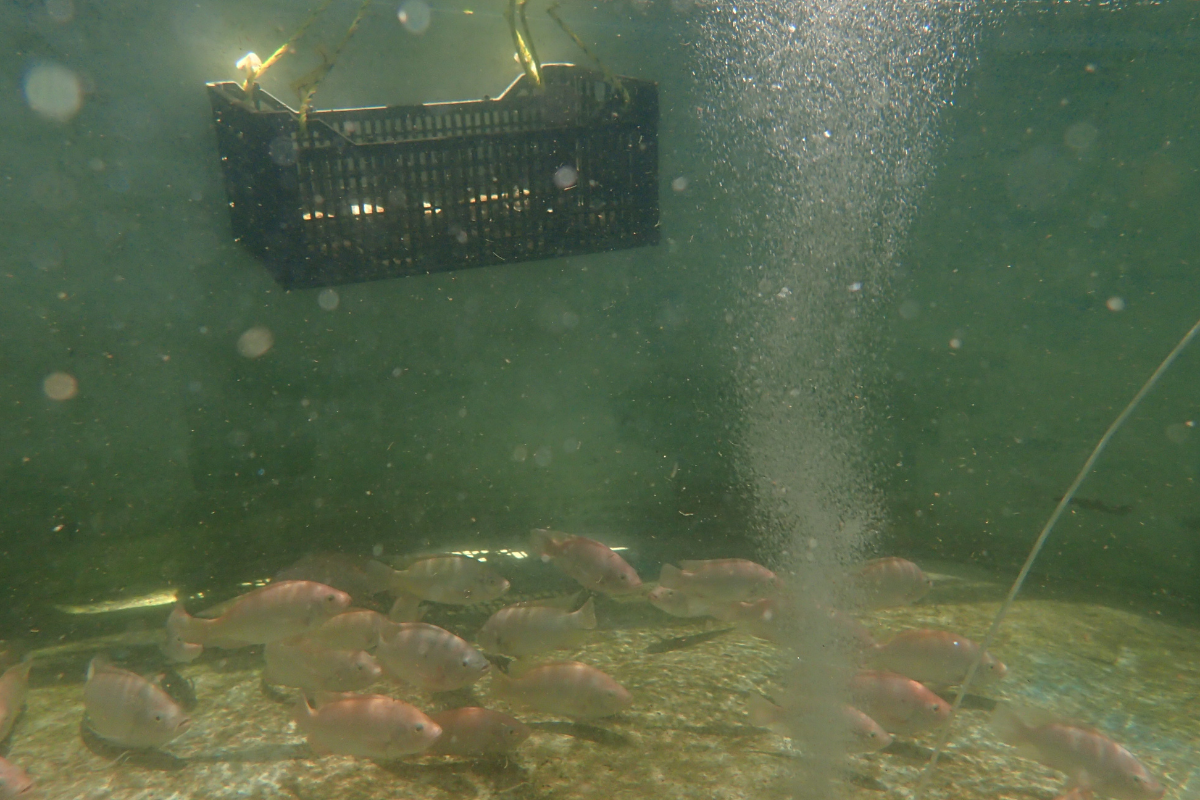
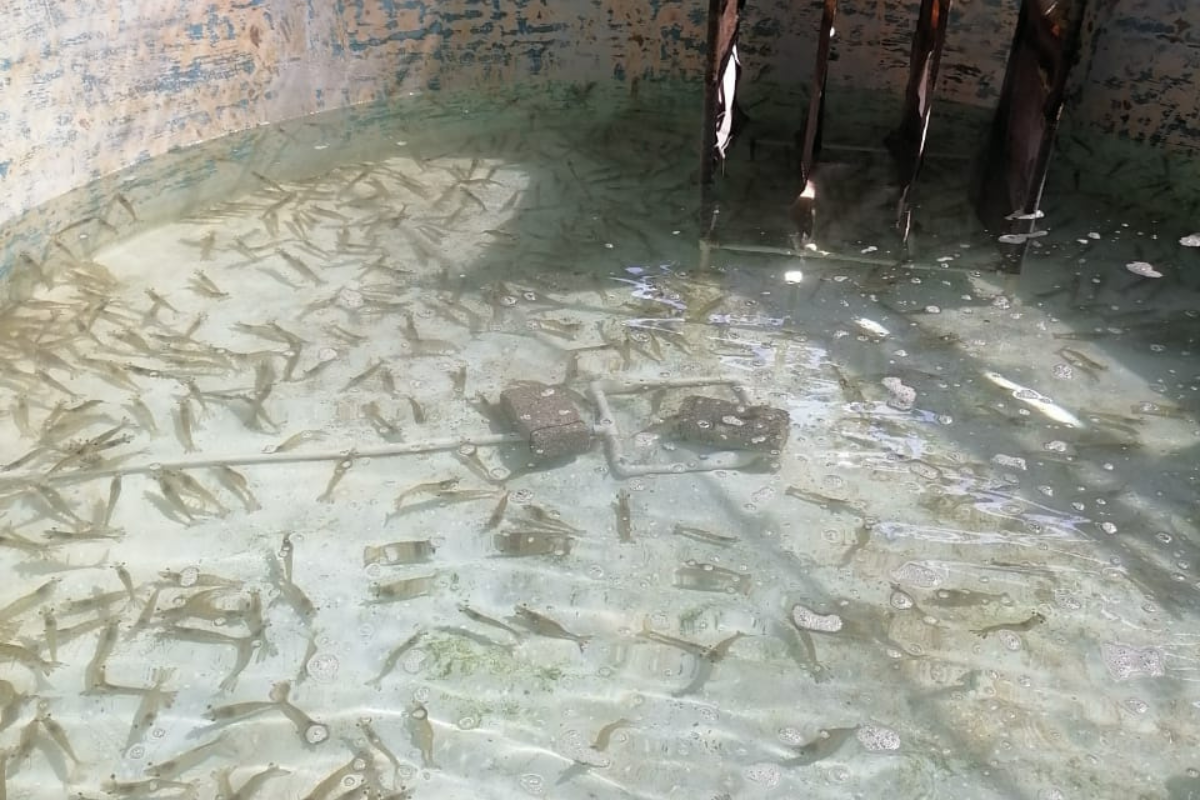
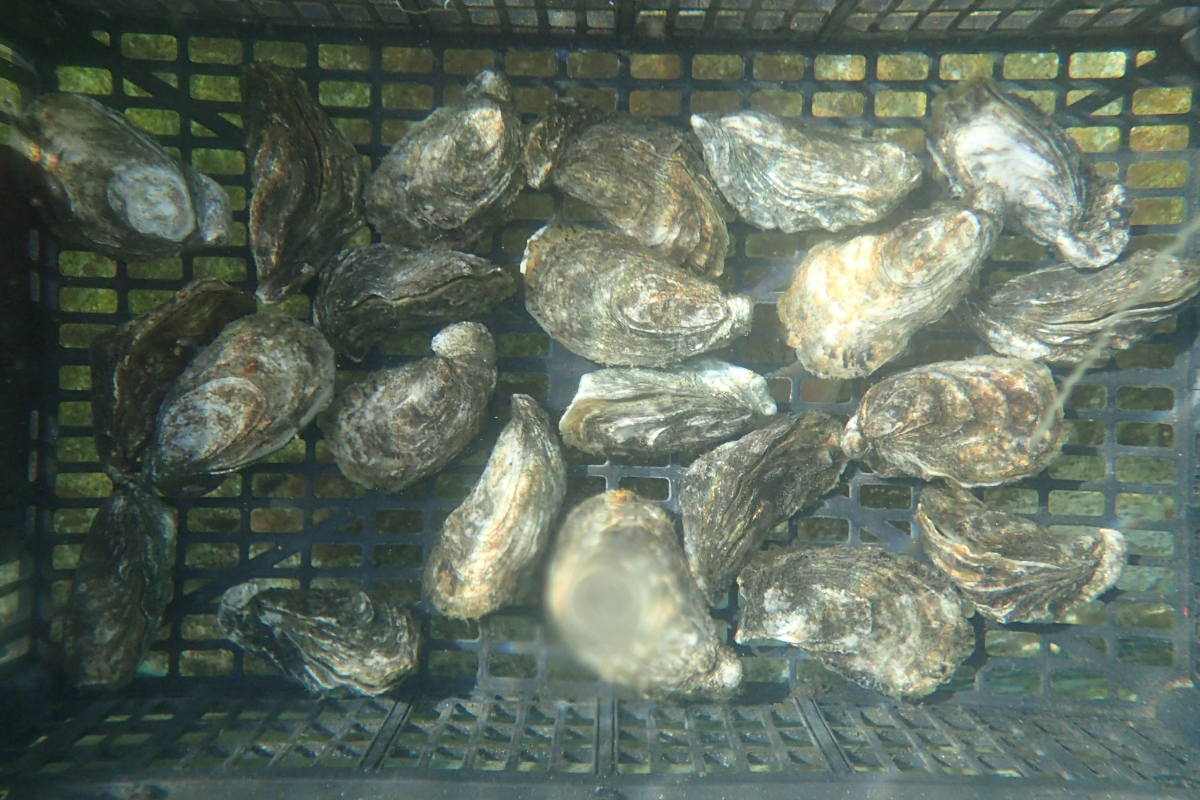
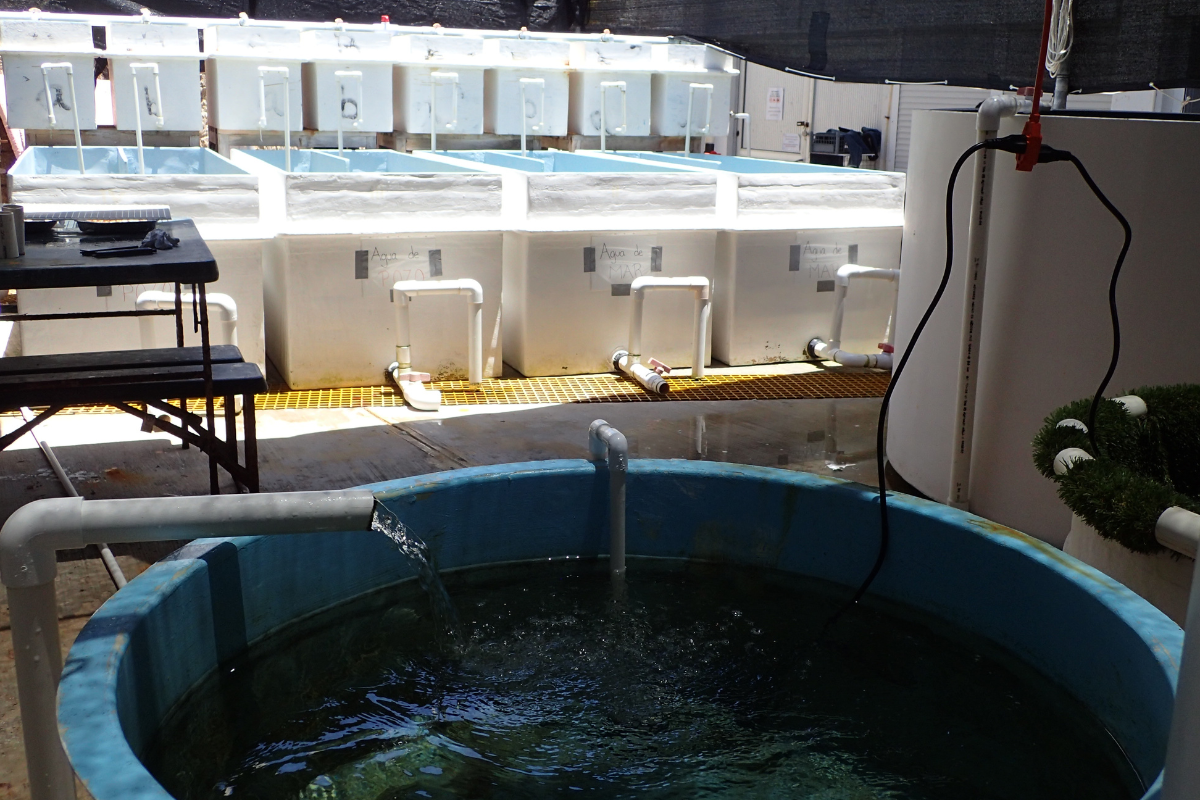
The proposed project aims to develop a land-based Integrated Multi-trophic Aquaculture (IMTA) system using saline groundwater, a resource that is abundant in the Yucatan Peninsula. L’AMTI est une pratique innovante dans laquelle différentes espèces cohabitent de sorte que les sous-produits d’une espèce peuvent être recyclés en nutriments pour une autre. It’s a more sustainable and environmentally-friendly form of aquaculture, because less feed is needed, and the water is naturally purified by the organisms in the “circuit”.
The aim of the project is to explore the potential of this innovative land-based aquaculture and promote the development of this technology to protect the Caribbean’s fragile marine ecosystems (mangroves, coral reefs and seagrass beds). The wealth of saline groundwater would enable aquaculture sites to be relocated up to 100 km from the coast in this region.
Through interdisciplinary collaboration with researchers from three institutes and local stakeholders, the project seeks to explore innovative solutions that will lead to the development of sustainable technology packages and a pilot plant.
In addition, the development of this IMTA system would not only foster a new economic activity managed by local and marginalized inland communities, but also enhance food security for the region’s inhabitants.
LOCATION
NEWS
Project duration
2019 – 2021
SUSTAINABLE DEVELOPMENT GOALS
Results and advances
Coming soon
Step 1
Lorem ipsum dolor sit amet, consectetur adipiscing elit. Ut elit tellus, luctus nec ullamcorper mattis, pulvinar dapibus leo.
Lorem ipsum dolor sit amet, consectetur adipiscing elit. Ut elit tellus, luctus nec ullamcorper mattis, pulvinar dapibus leo.
étape 2
Lorem ipsum dolor sit amet, consectetur adipiscing elit. Ut elit tellus, luctus nec ullamcorper mattis, pulvinar dapibus leo.
Lorem ipsum dolor sit amet, consectetur adipiscing elit. Ut elit tellus, luctus nec ullamcorper mattis, pulvinar dapibus leo.
étape 3
Lorem ipsum dolor sit amet, consectetur adipiscing elit. Ut elit tellus, luctus nec ullamcorper mattis, pulvinar dapibus leo.
Lorem ipsum dolor sit amet, consectetur adipiscing elit. Ut elit tellus, luctus nec ullamcorper mattis, pulvinar dapibus leo.
The team
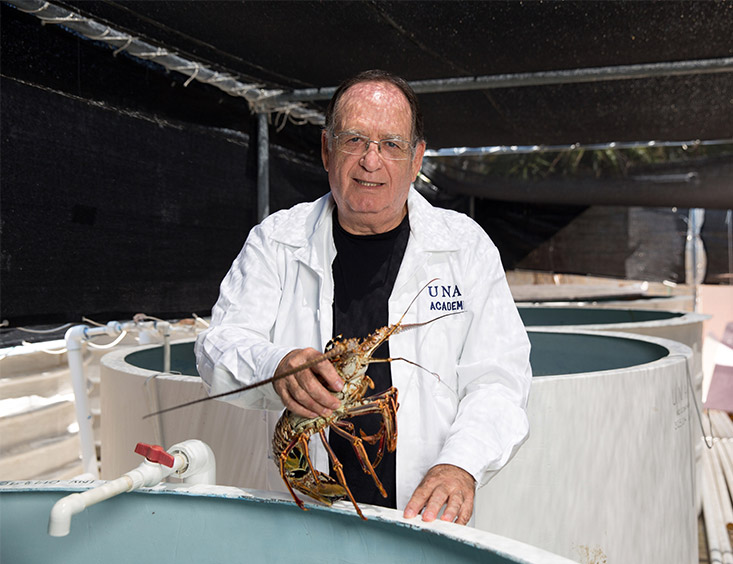
Enrique Lozano-Alvarez
Senior Researcher, Reef System Unit, Institute of Marine Science and Limnology
Matteo Cazzanelli
Reef System Unit, Institute of Marine Science and Limnology
Partners
RSU UNAM
National Autonomous University of Mexico, Puerto Morelos, Quintana Roo
UMDI UNAM
National Autonomous University of Mexico, Sisal, Yucatan
CINVESTAV
Center for Research and Advanced Studies of the National Polytechnic Institute, Merida, Yucatan
INAPESCA
Mexico’s National Fisheries Institute, Puerto Morelos, Quintana Roo
Waitt Foundation
California, USA
Person
Title, organism
Scientific partners
Facultad de sciencias UMDI-J
Universidad Nacional Autónoma de México (Instituto de Ciencias del Mar y Limnologia)
Cinvestav Unidad Merida
Unidad Academica Yucatan