Deepex Carib

Explore Caribbean deep seas to lay the foundations for locally driven, science‑based protection

The Deepex Carib project

CONTEXT AND MAIN ISSUES

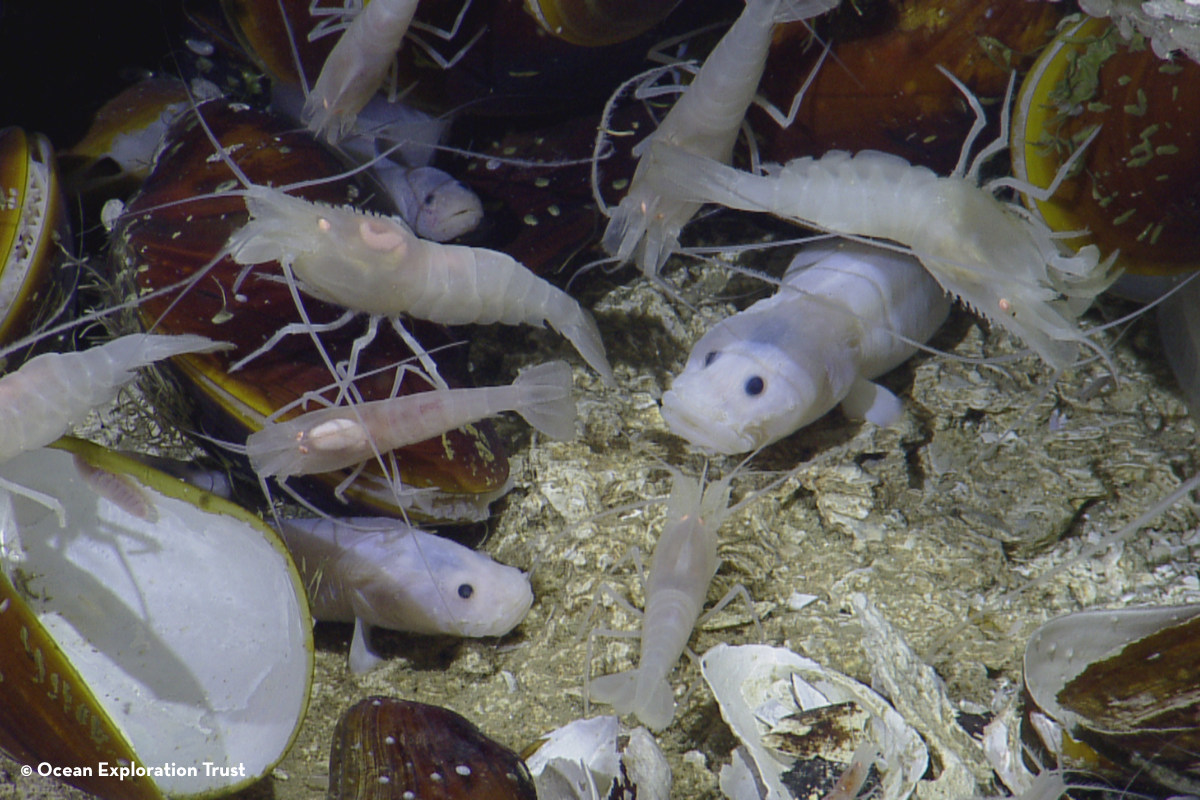
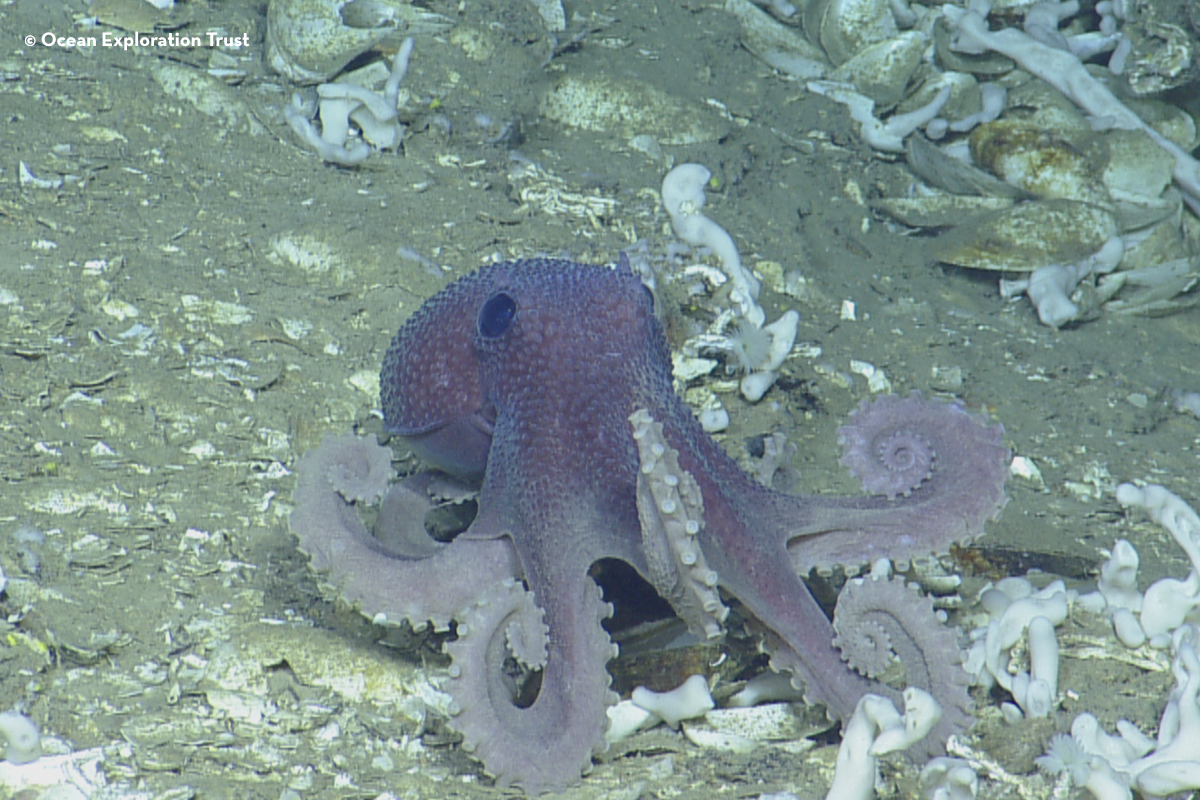
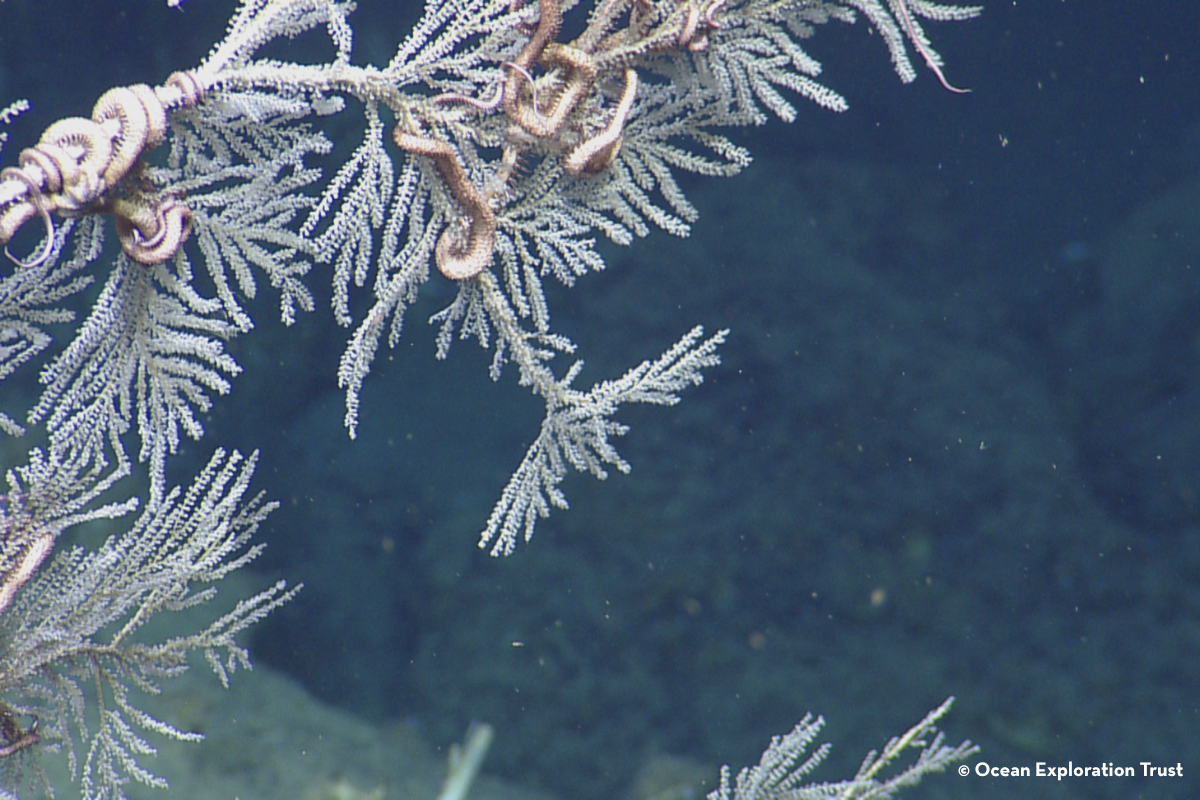
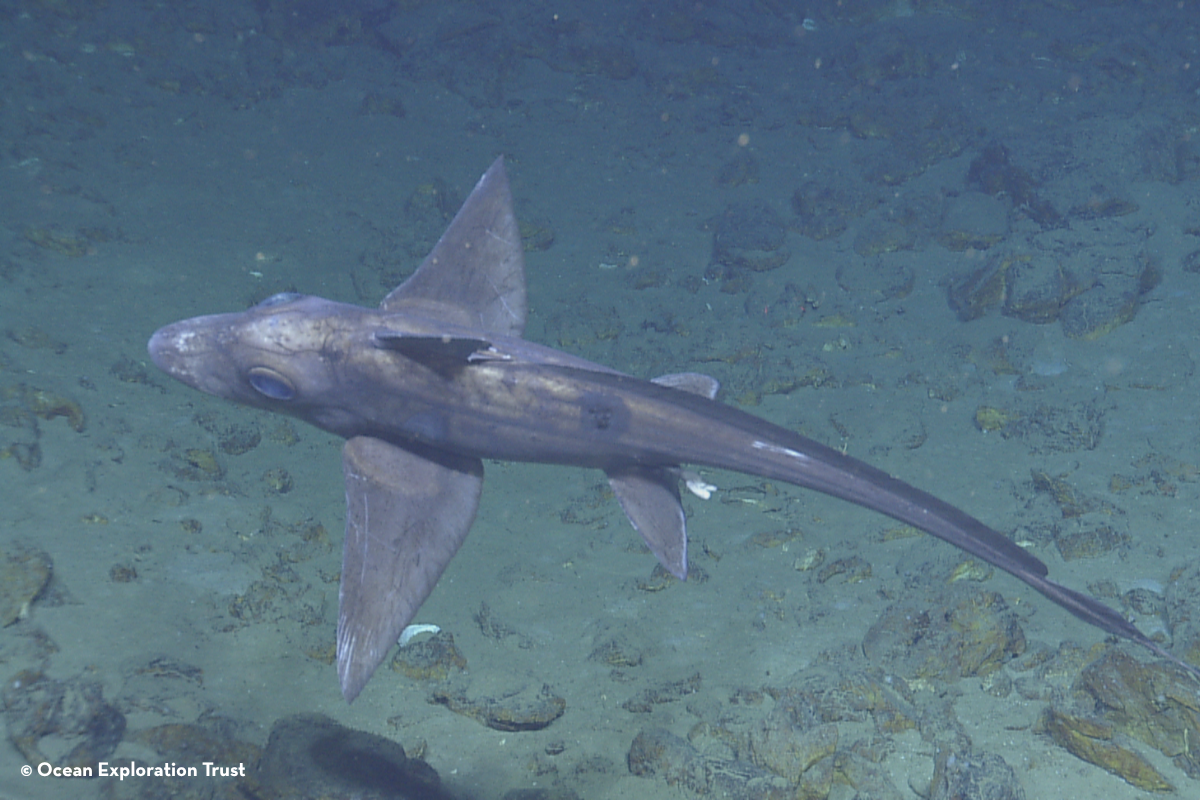
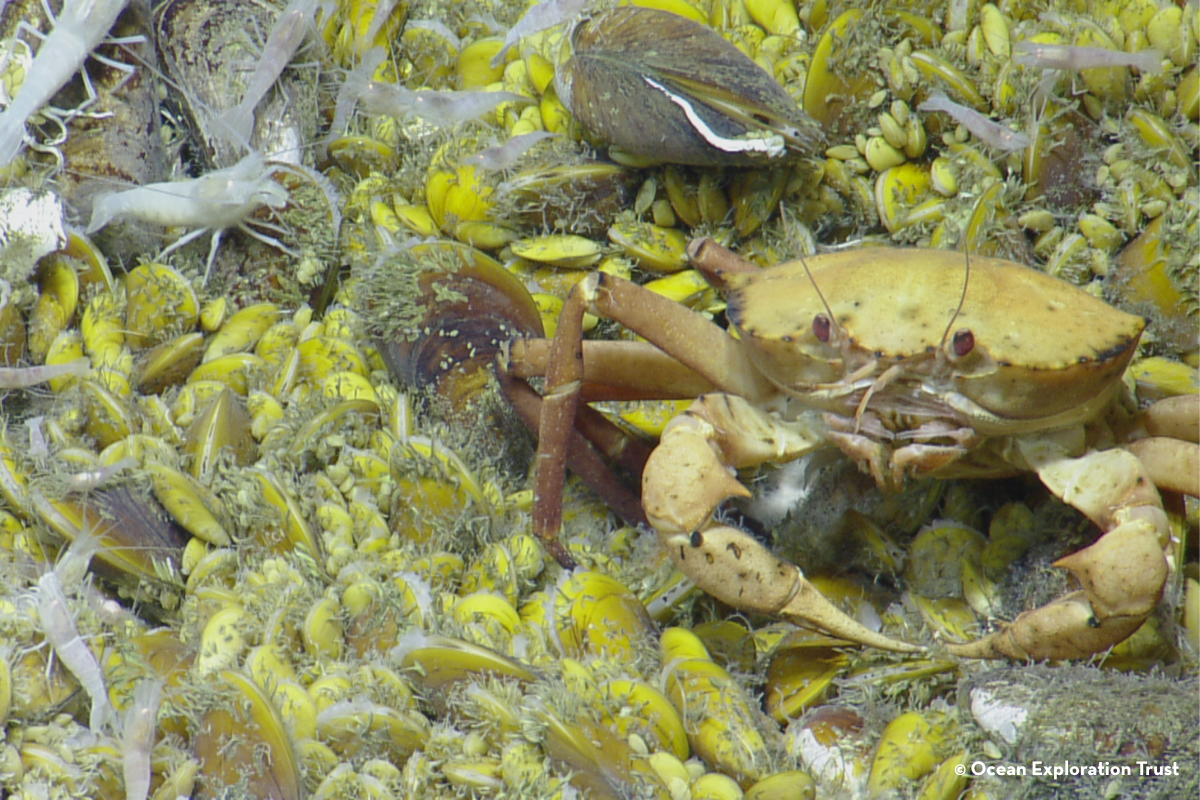
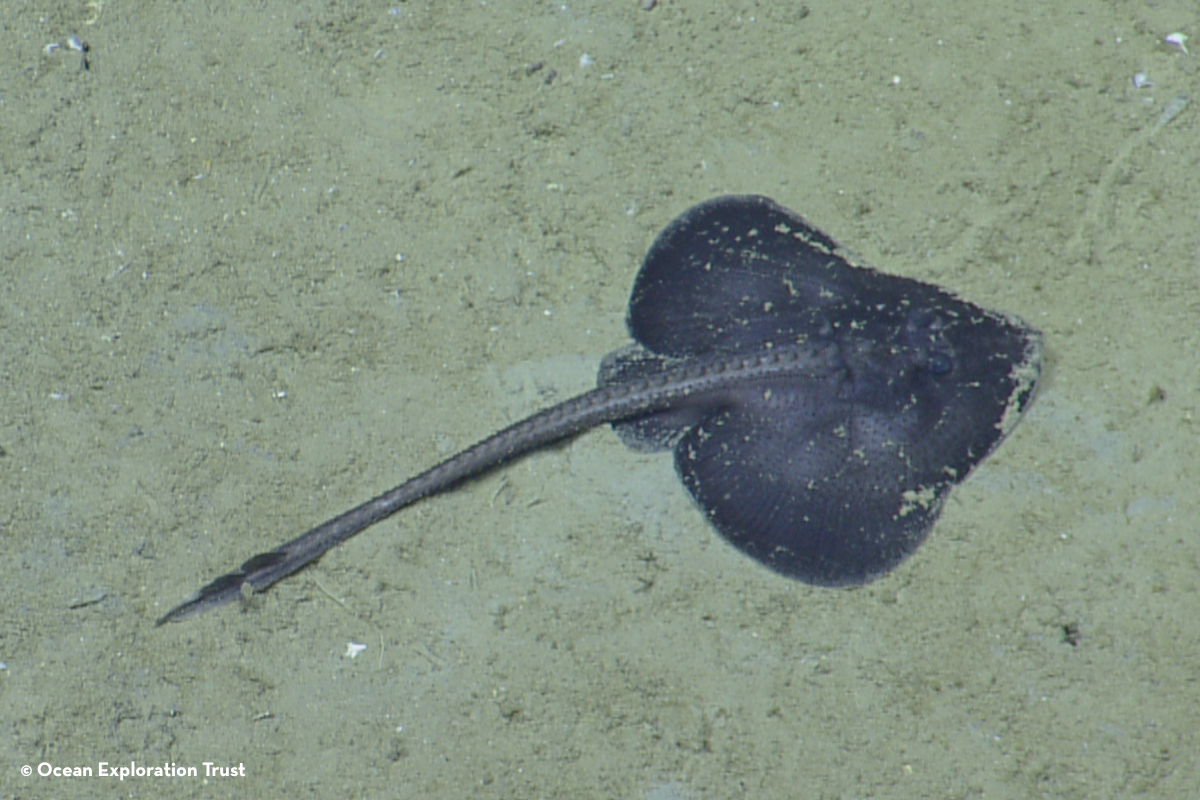
The waters of Trinidad and Tobago encompass unique deep‑sea ecosystems ranging from the mesophotic zone to abyssal depths. These habitats represent more than 93% of the country’s waters and include key environments such as deep reefs, coral and sponge communities, and natural methane seeps hosting specialised biodiversity.

Yet less than 0.001% of these mesophotic and deep‑sea areas have been explored to date. This lack of knowledge contrasts sharply with increasing human pressures: seabed resource extraction, pollution, fishing, and climate‑change impacts.

Without baseline scientific data, identifying vulnerable ecosystems, understanding ecological connectivity, or designing effective marine protected areas remains extremely difficult. Exploring the Caribbean deep sea is therefore a critical prerequisite for protection, especially as Trinidad and Tobago seeks to strengthen marine protected area planning.

GOALS

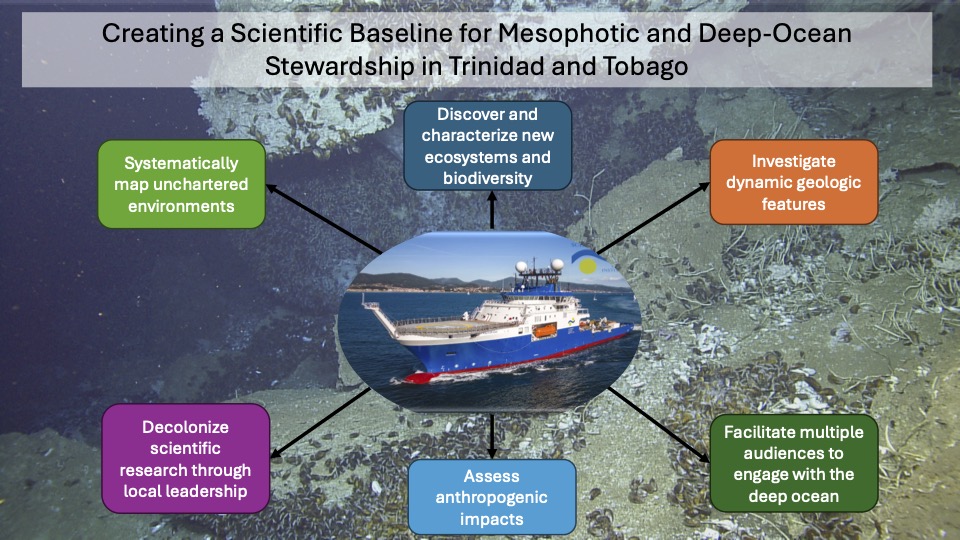
To explore, document and sample the unique species and ecosystems of Trinidad and Tobago, down to 4,500 metres depth, in order to provide essential scientific data for ocean conservation and sustainable management.

METHOD

The project builds on an exceptional scientific opportunity: a 30‑day oceanographic expedition aboard the research vessel RV Falkor (too), operated by the Schmidt Ocean Institute, scheduled for July 2026.

Using a remotely operated vehicle (ROV) capable of diving to –4,500 m, researchers will conduct high‑resolution exploration and mapping dives across several priority sites. Deep‑sea ecosystems will be documented through imagery, sonar mapping and biological sampling, enabling the characterisation of biodiversity, sensitive habitats and human impacts.

These data will form the scientific basis for analysing deep‑sea connectivity, assessing conservation status, and informing future ocean management and protection decisions at national and regional scales.

HOW IS THIS PROJECT INNOVATIVE?

DEEPEX CARIB is first and foremost a pioneering exploration, one of the very first expeditions dedicated to the deep waters of Trinidad and Tobago, in areas that remain largely unexplored and rich in discovery potential.

The project combines state‑of‑the‑art technologies (deep‑sea ROVs, high‑resolution imaging, sonar mapping) with a multidisciplinary approach integrating biodiversity, geology, ecological connectivity and human impacts.

It also stands out for its strong local and social dimension: led by Caribbean scientists, the mission strengthens local capacities and ensures that data and samples directly benefit institutions in Trinidad and Tobago.

By generating essential baseline data, DEEPEX CARIB helps lay the foundations for durable, science‑based ocean protection in a region still largely absent from global deep‑sea conservation frameworks.

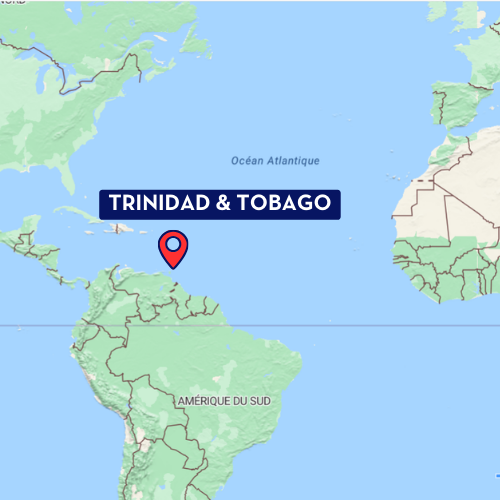
LOCATION

Graphic summary

Project duration

2026 – 2028

SUSTAINABLE DEVELOPMENT GOALS

Results and advances

Coming soon

Step 1

Lorem ipsum dolor sit amet, consectetur adipiscing elit. Ut elit tellus, luctus nec ullamcorper mattis, pulvinar dapibus leo.

Lorem ipsum dolor sit amet, consectetur adipiscing elit. Ut elit tellus, luctus nec ullamcorper mattis, pulvinar dapibus leo.

étape 2

Lorem ipsum dolor sit amet, consectetur adipiscing elit. Ut elit tellus, luctus nec ullamcorper mattis, pulvinar dapibus leo.

Lorem ipsum dolor sit amet, consectetur adipiscing elit. Ut elit tellus, luctus nec ullamcorper mattis, pulvinar dapibus leo.

étape 3

Lorem ipsum dolor sit amet, consectetur adipiscing elit. Ut elit tellus, luctus nec ullamcorper mattis, pulvinar dapibus leo.

Lorem ipsum dolor sit amet, consectetur adipiscing elit. Ut elit tellus, luctus nec ullamcorper mattis, pulvinar dapibus leo.

The team

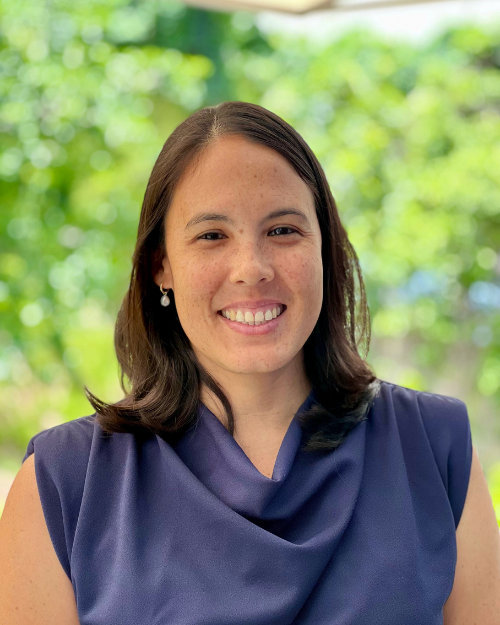
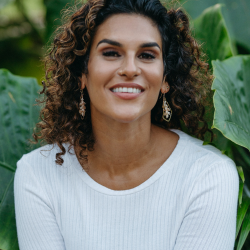
Diva Amon

Deep-Sea Biologist and Director of SpeaSeas

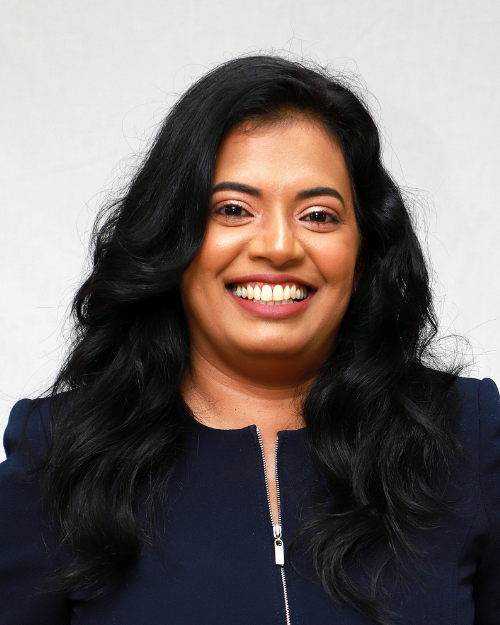
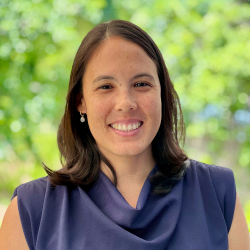
Anjani Ganase

Coral-Reef Ecologist at Institute of Marine A airs, Trinidad and Tobago

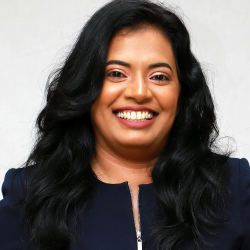
La Daana Kanhai

Researcher and Lecturer at The University of the West Indies, St. Augustine, Trinidad and Tobago
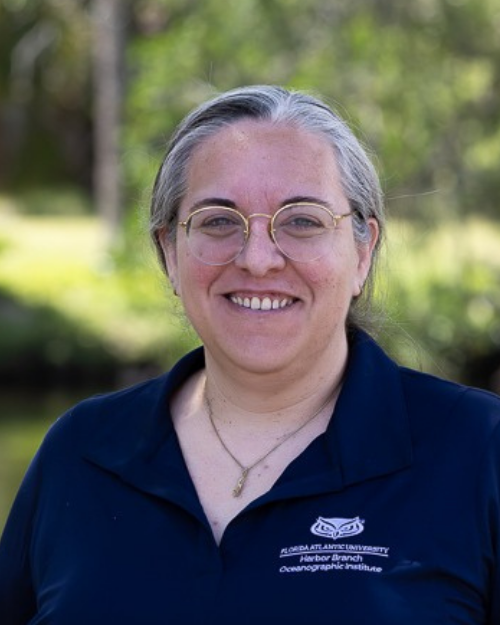
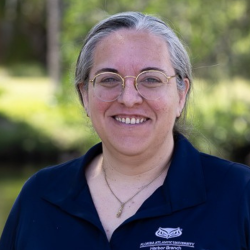
Megan Conkling

Researcher at Harbor Branch Oceanographic Institute at Florida Atlantic University, USA
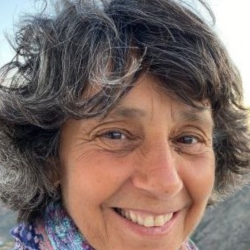
Anna Metaxas

Professor at Dalhousie University

Partners

Vincent Lombard

Research engineer at the AFMB laboratory in the Glycogenomics team

Raquel Bertoldo

Social psychologist at the Laboratoire de Psychologie Sociale d'Aix-en-Provence and Associate Professor at the University of Aix-Marseille

Institutional Partners

First name Last name

Université, structure, asso,...

First name Last name

Université, structure, asso,...

First name Last name

Université, structure, asso,...

speseas

News

Skip to content