Understanding how microplastics affect wildlife health
The MicroPOW project
CONTEXT AND MAIN ISSUES
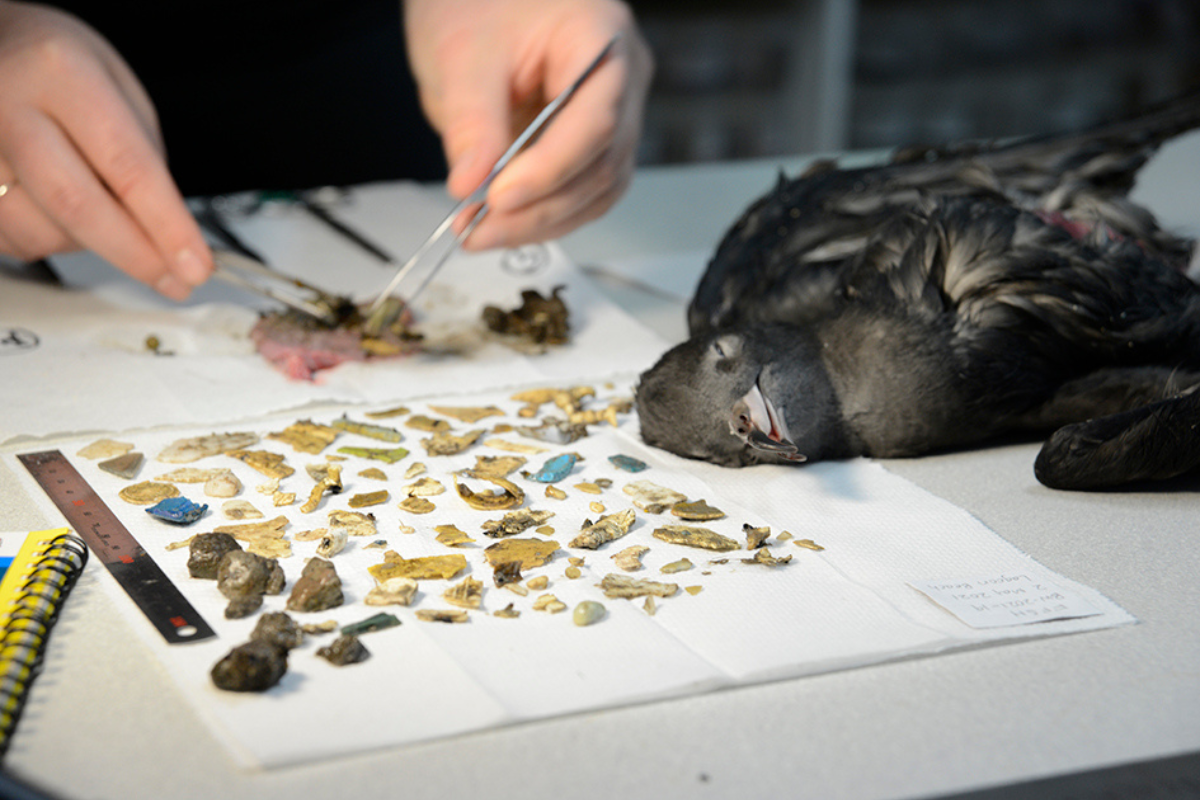
Today, microplastics (< 5 mm) represent a major threat to both terrestrial and marine wildlife. Invisible to the naked eye, they penetrate deep into organisms, accumulate in tissues and can even cross cell barriers.
While pollution by macroplastics has been documented for several decades, microplastics have only recently been recognized as a ubiquitous and potentially pathogenic hazard. Their ability to infiltrate all levels of living organisms raises serious concerns about their effects on the health of ecosystems… and humans.
GOALS
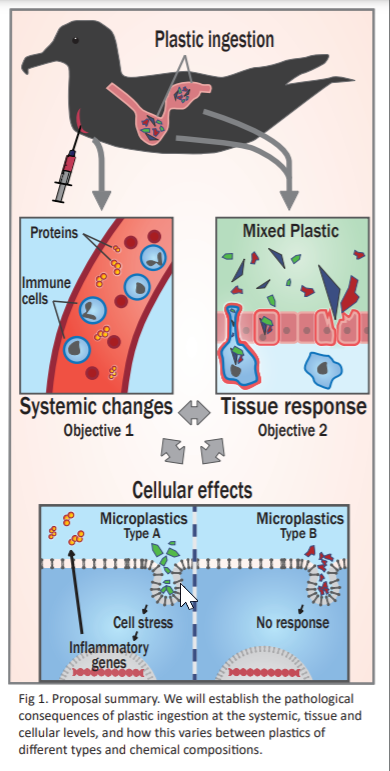
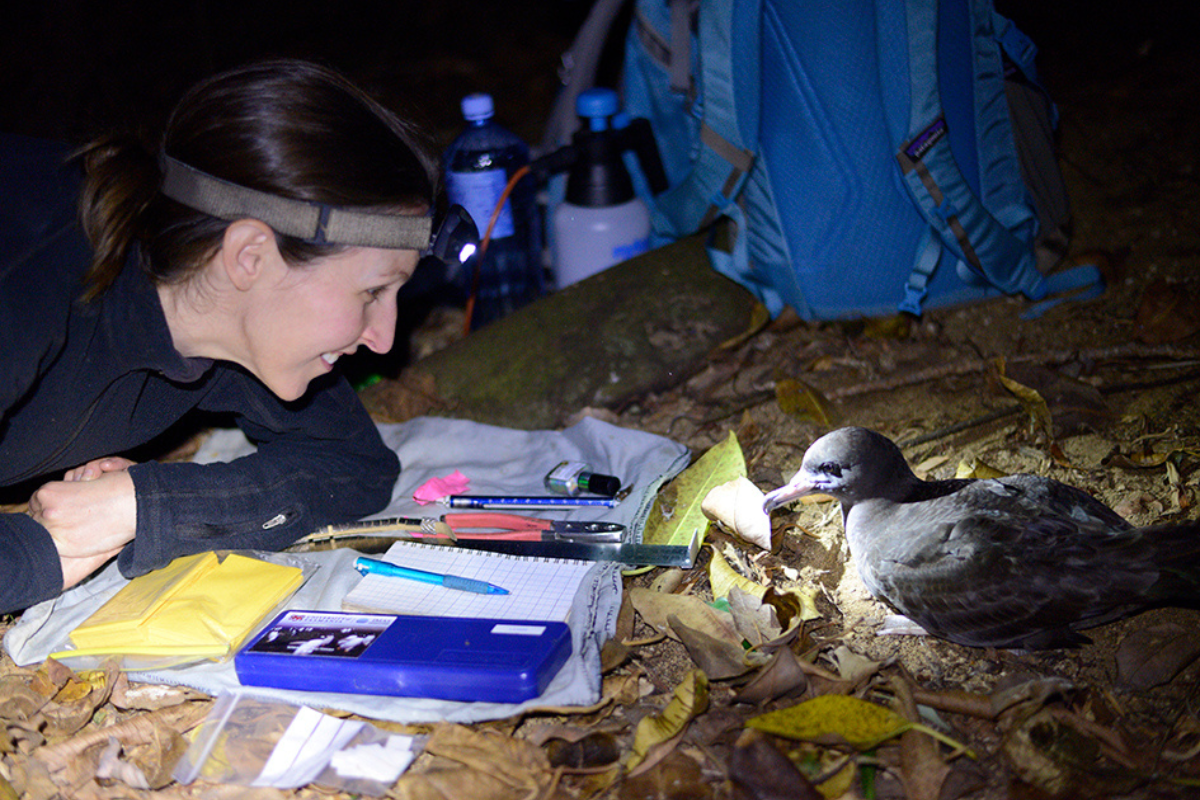
Determine the impact of microplastic ingestion on the organs, tissues and cells of seabirds in Australia.
METHOD
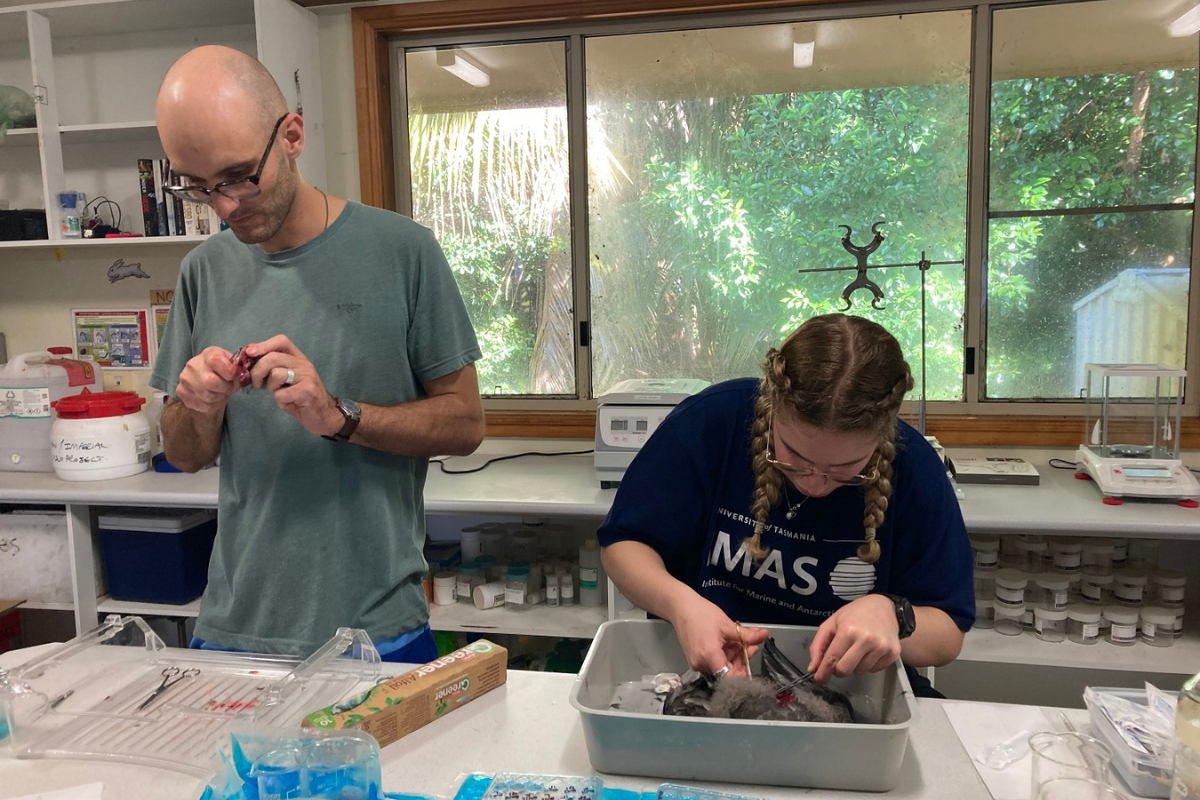
The MicroPOW project is based on a transdisciplinary approach combining cell biology, biomedicine and conservation ecology. It studies the biological effects of microplastics at different scales, from the cell to the whole organism.
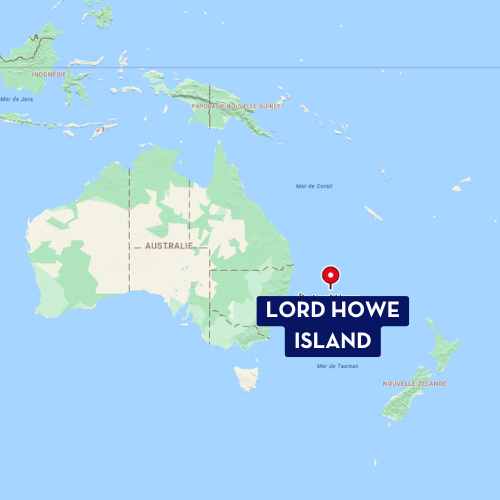
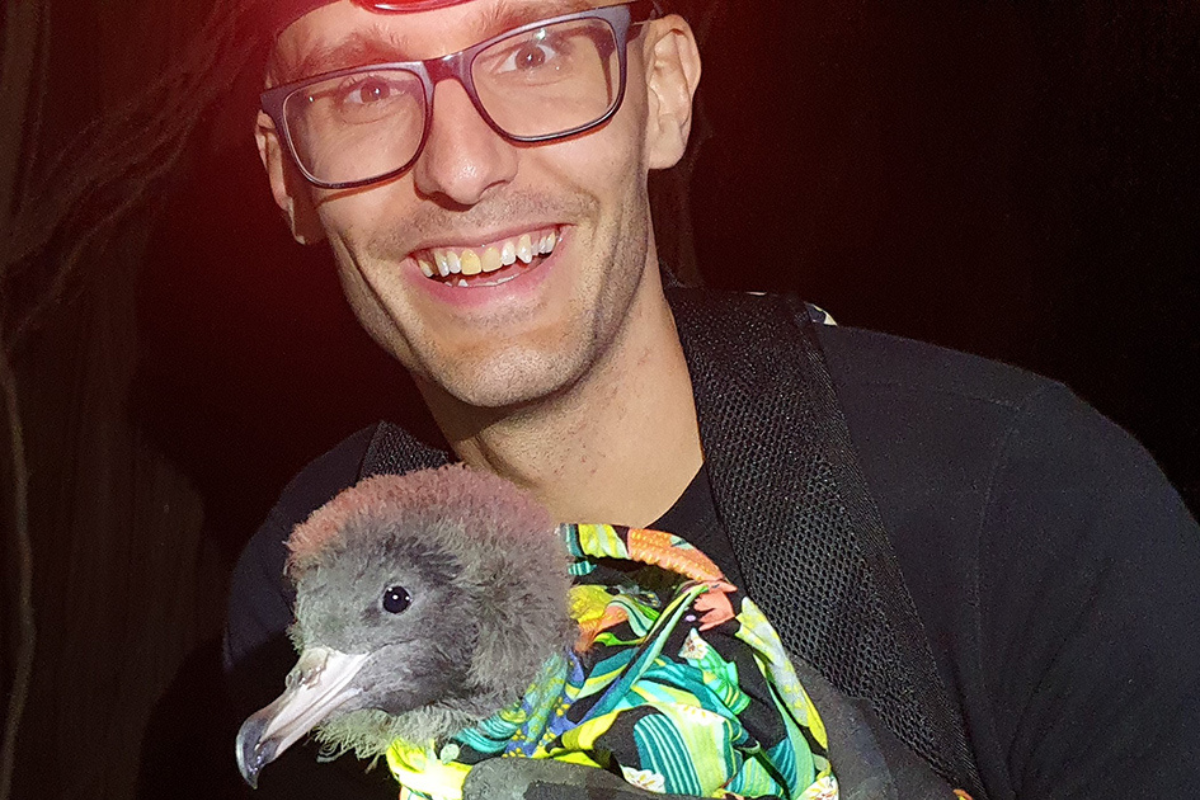
Two species of shearwater from Lord Howe Island (Australia) are used as models: shearwaters heavily exposed to microplastics are compared with much less contaminated individuals. This comparison enables the precise identification of cellular, tissue and organ alterations linked to plastic ingestion. As physiological responses are largely shared between vertebrates, the results can be extrapolated to humans.
HOW IS THIS PROJECT INNOVATIVE?
MicroPOW is one of the very first projects to demonstrate the direct pathological effects of microplastics on a cellular scale in wild animals. By combining tools from biomedical research with field ecology, it establishes an unprecedented link between plastic pollution, cellular mechanisms and the health of living organisms, paving the way for a better understanding of the risks to biodiversity and human health.
Graphic summary
NEWS
Project duration
2021 – 2023
SUSTAINABLE DEVELOPMENT GOALS


Results and advances
Coming soon
Step 1
Lorem ipsum dolor sit amet, consectetur adipiscing elit. Ut elit tellus, luctus nec ullamcorper mattis, pulvinar dapibus leo.
étape 2
Lorem ipsum dolor sit amet, consectetur adipiscing elit. Ut elit tellus, luctus nec ullamcorper mattis, pulvinar dapibus leo.
étape 3
Lorem ipsum dolor sit amet, consectetur adipiscing elit. Ut elit tellus, luctus nec ullamcorper mattis, pulvinar dapibus leo.
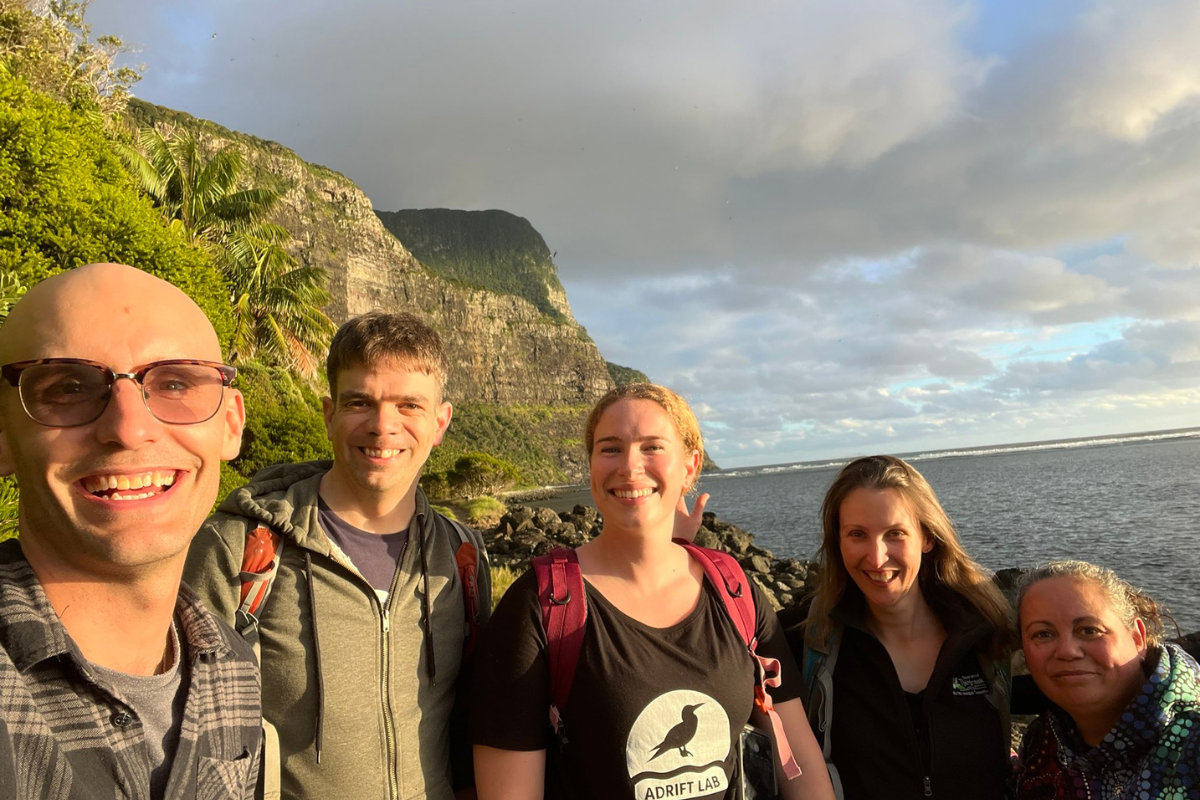
The team

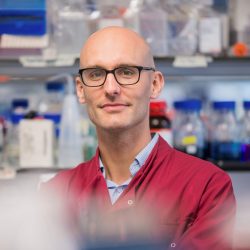
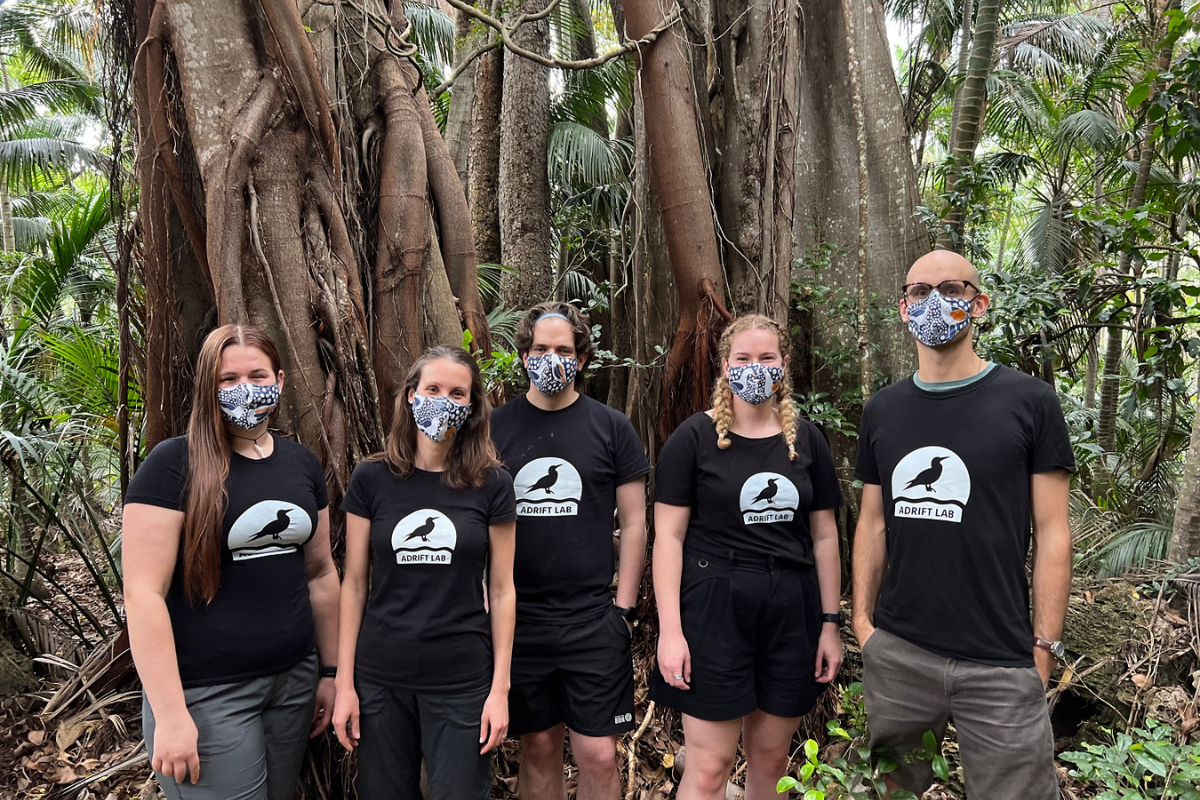
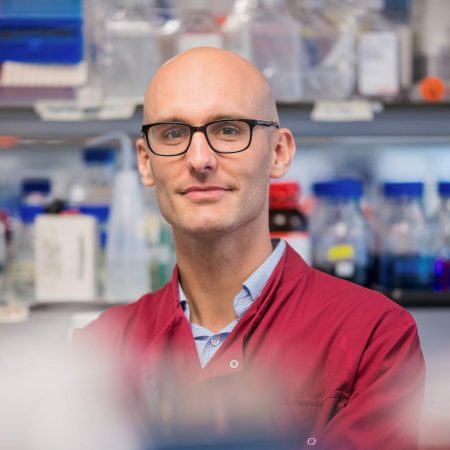
Dr. Jack Rivers-Auty
Senior Lecturer in Medical Sciences at the University of Tasmania and researcher at the Adrift Lab.

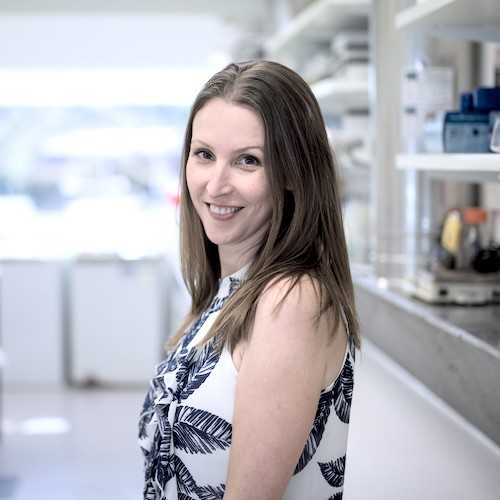
Dr. Jennifer Lavers
Marine ecotoxicologist at Adrift Lab and lecturer at the Institute of Marine and Antarctic Studies, Tasmania.

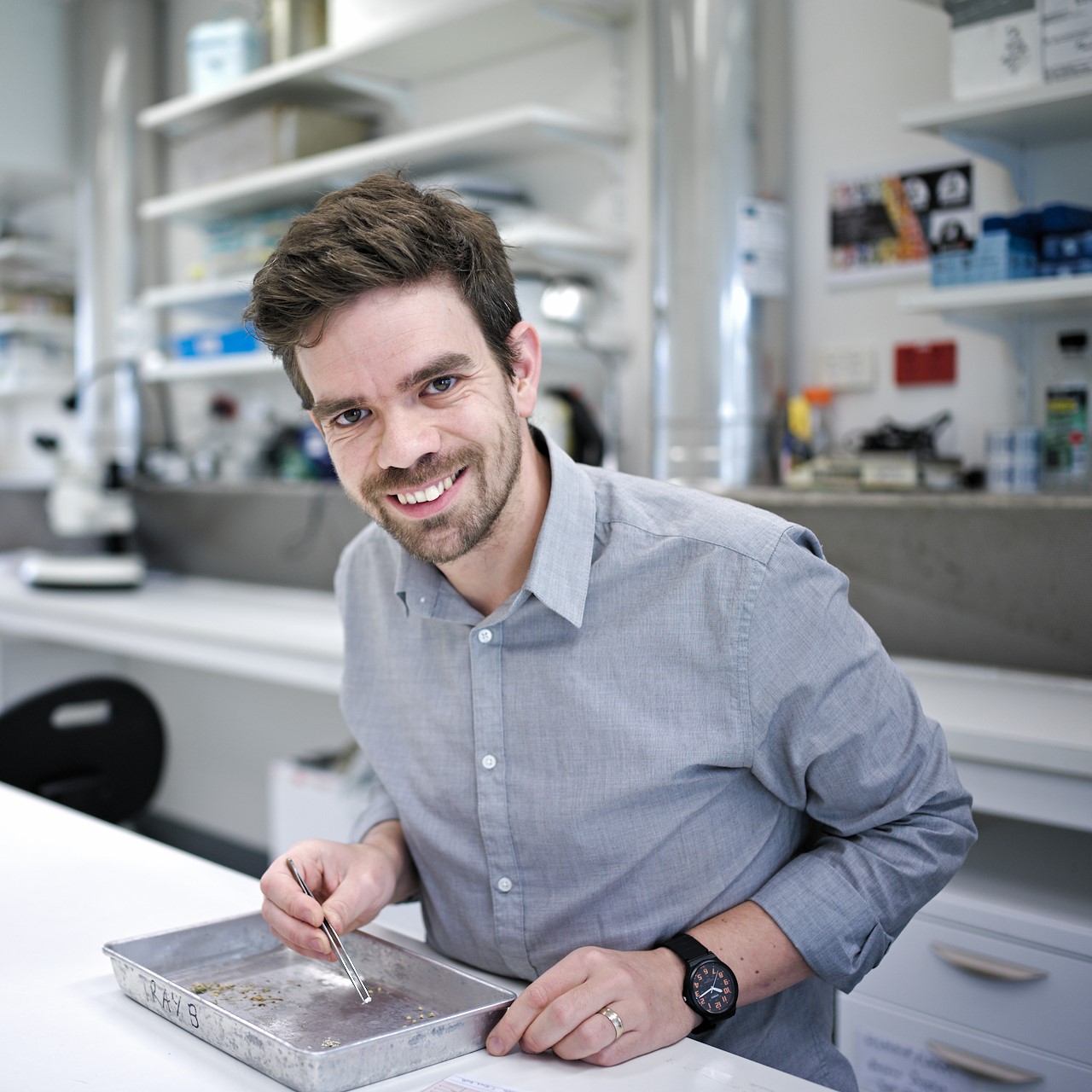
Dr. Alexander Bond
Biologist and ecologist at the Adrift Lab (Tasmania) and based at the National Museum of Natural History, UK.

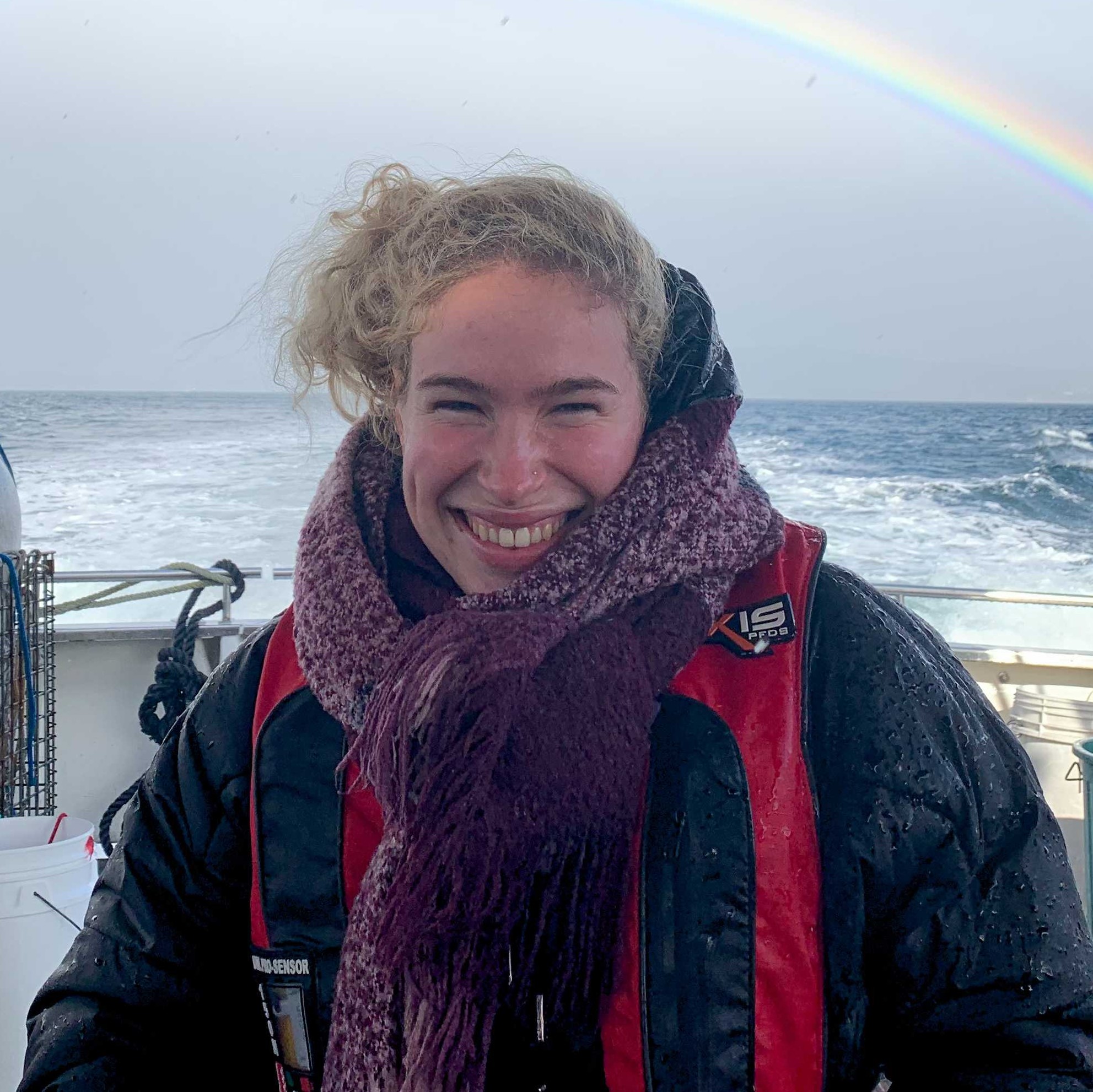
Alix de Jersey
PhD Candidate at the Adrift Lab, Tasmania.

Partners
Person
Title, organism
Institutional Partners
First name Last name
Université, structure, asso,...
First name Last name
Université, structure, asso,...
First name Last name
Université, structure, asso,...
News