Surexploitation des ressources : LA menace n°1 pour l’océan.
La biodiversité marine disparaît à grande vitesse. Et pourtant, chaque jour, on continue de piller.

La biodiversité marine disparaît à grande vitesse. Et pourtant, chaque jour, on continue de piller.
Saviez-vous que la destruction des habitats marins est le 2ᵉ facteur d’érosion de la biodiversité ?
L’océan est en première ligne face au changement climatique. Il a déjà absorbé 93% de la chaleur liée à nos émissions de gaz à effet de serre.
Notre océan est victime de nombreuses formes de pollution, bien au-delà du plastique, c’est même la 4e cause de l’effondrement de la biodiversité marine.
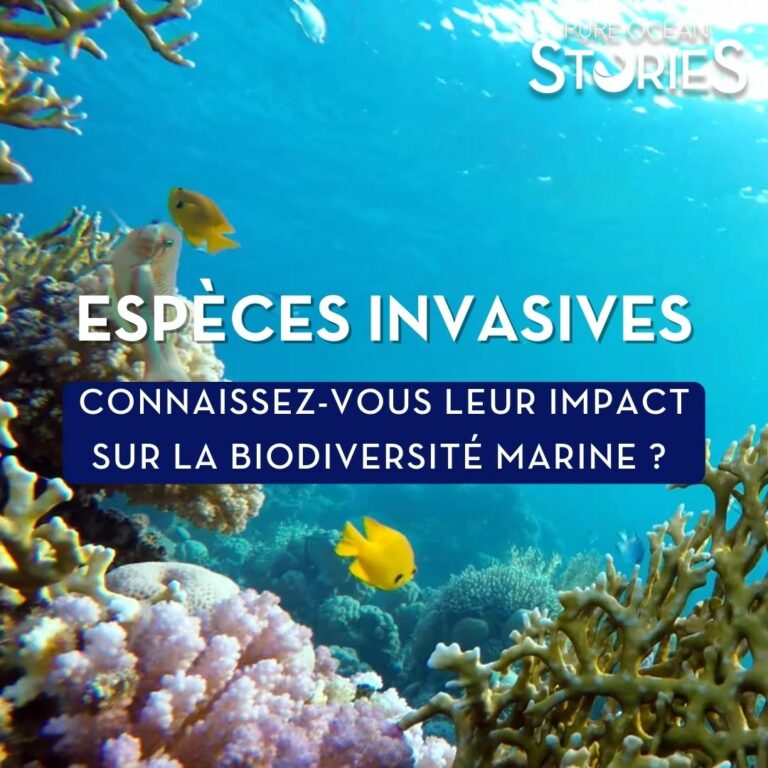
À l’heure où le monde bouge plus que jamais, nos déplacements transportent aussi des espèces marines, qui se retrouvent dans des écosystèmes bien loin de leur habitat d’origine.
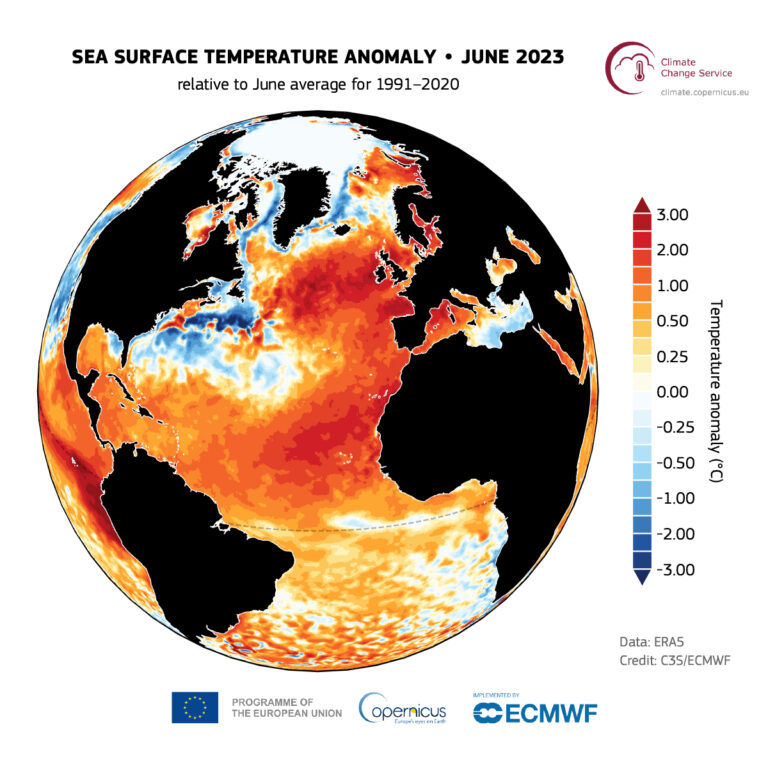
[av_one_full first min_height= » vertical_alignment= » space= » custom_margin= » margin=’0px’ padding=’0px’ border= » border_color= » radius=’0px’ background_color= » src= » background_position=’top left’ background_repeat=’no-repeat’ animation= » mobile_breaking= » mobile_display= »] [av_textblock size= » font_color= » color= » av-medium-font-size= » av-small-font-size= » av-mini-font-size= » admin_preview_bg= »] Fièvre marine en Atlantique-Nord [/av_textblock] [/av_one_full][av_three_fifth first min_height= » vertical_alignment= » space= » custom_margin= » margin=’0px’ padding=’0px’…
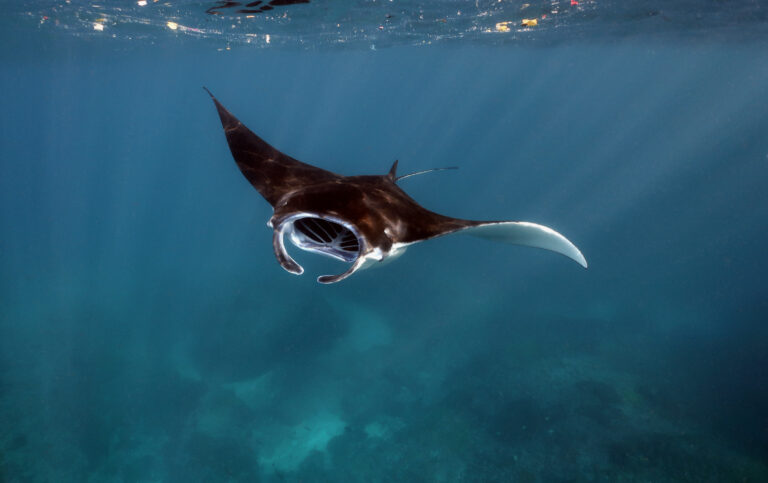
[av_section min_height=’50’ min_height_px=’500px’ padding=’default’ shadow=’no-shadow’ bottom_border=’no-border-styling’ bottom_border_diagonal_color=’#333333′ bottom_border_diagonal_direction= » bottom_border_style= » id= » color=’main_color’ custom_bg= » src=’https://www.pure-ocean.org/wp-content/uploads/2022/11/OceanImageBank_TobyMatthews_39-scaled.jpg’ attachment=’11639′ attachment_size=’full’ attach=’parallax’ position=’top center’ repeat=’no-repeat’ video= » video_ratio=’16:9′ overlay_opacity=’0.5′ overlay_color= » overlay_pattern= » overlay_custom_pattern= » av_element_hidden_in_editor=’0′][/av_section] [av_one_half first min_height= » vertical_alignment= » space= » custom_margin= » margin=’0px’ padding=’0px’ border= » border_color= » radius=’0px’ background_color= » src= » background_position=’top…
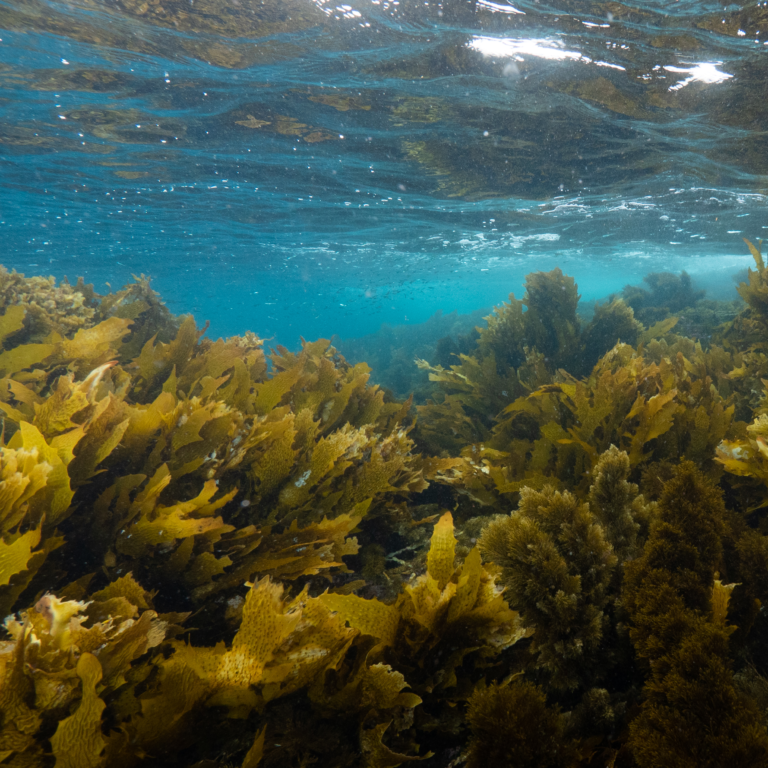
[av_section min_height=’50’ min_height_px=’500px’ padding=’default’ shadow=’no-shadow’ bottom_border=’no-border-styling’ bottom_border_diagonal_color=’#333333′ bottom_border_diagonal_direction= » bottom_border_style= » id= » color=’main_color’ custom_bg= » src=’https://www.pure-ocean.org/wp-content/uploads/2022/11/OceanImageBank_StefanAndrews_09-scaled.jpg’ attachment=’11533′ attachment_size=’full’ attach=’parallax’ position=’top left’ repeat=’no-repeat’ video= » video_ratio=’16:9′ overlay_opacity=’0.5′ overlay_color= » overlay_pattern= » overlay_custom_pattern= » av_element_hidden_in_editor=’0′][/av_section] [av_two_fifth first min_height= » vertical_alignment= » space= » custom_margin= » margin=’0px’ padding=’0px’ border= » border_color= » radius=’0px’ background_color= » src= » background_position=’top…
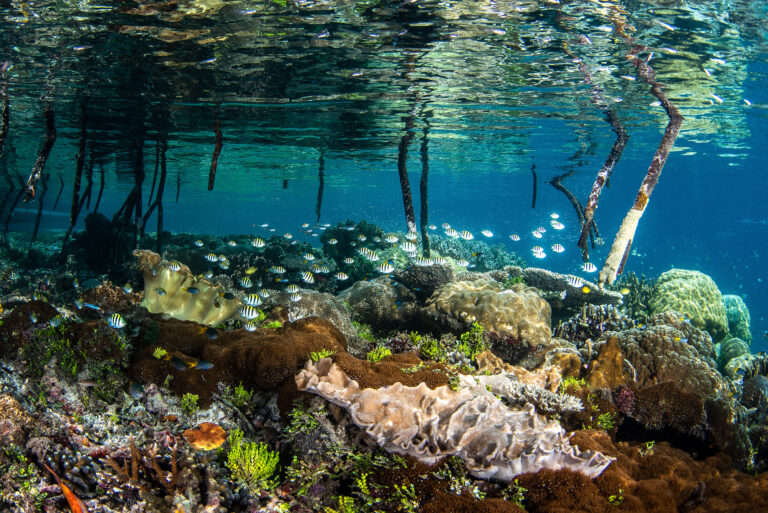
[av_section min_height=’50’ min_height_px=’500px’ padding=’default’ shadow=’no-shadow’ bottom_border=’no-border-styling’ bottom_border_diagonal_color=’#333333′ bottom_border_diagonal_direction= » bottom_border_style= » id= » color=’main_color’ custom_bg= » src=’https://www.pure-ocean.org/wp-content/uploads/2022/11/Mangroves-2.jpg’ attachment=’11324′ attachment_size=’full’ attach=’parallax’ position=’top center’ repeat=’no-repeat’ video= » video_ratio=’16:9′ overlay_opacity=’0.5′ overlay_color= » overlay_pattern= » overlay_custom_pattern= » av_element_hidden_in_editor=’0′][/av_section] [av_one_half first min_height= » vertical_alignment= » space= » custom_margin= » margin=’0px’ padding=’0px’ border= » border_color= » radius=’0px’ background_color= » src= » background_position=’top…
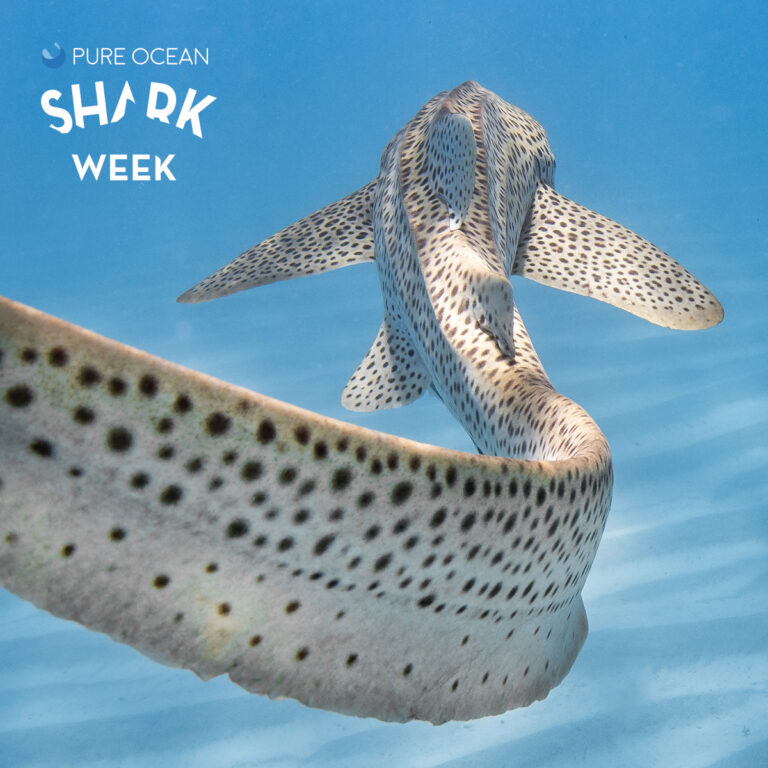
Partout autour du globe, les populations de requins sont en chute libre : ils sont aujourd’hui 70% moins nombreux qu'ils ne l'étaient au pic de gloire des expéditions Cousteau, il y a seulement 50 ans. 1 espèce sur 2 est menacée d’extinction en Méditerranée, et 1 sur 3 en moyenne dans l’océan mondial.